What "Double-Coating Double-Baking" Actually Changes at the Molecular Level
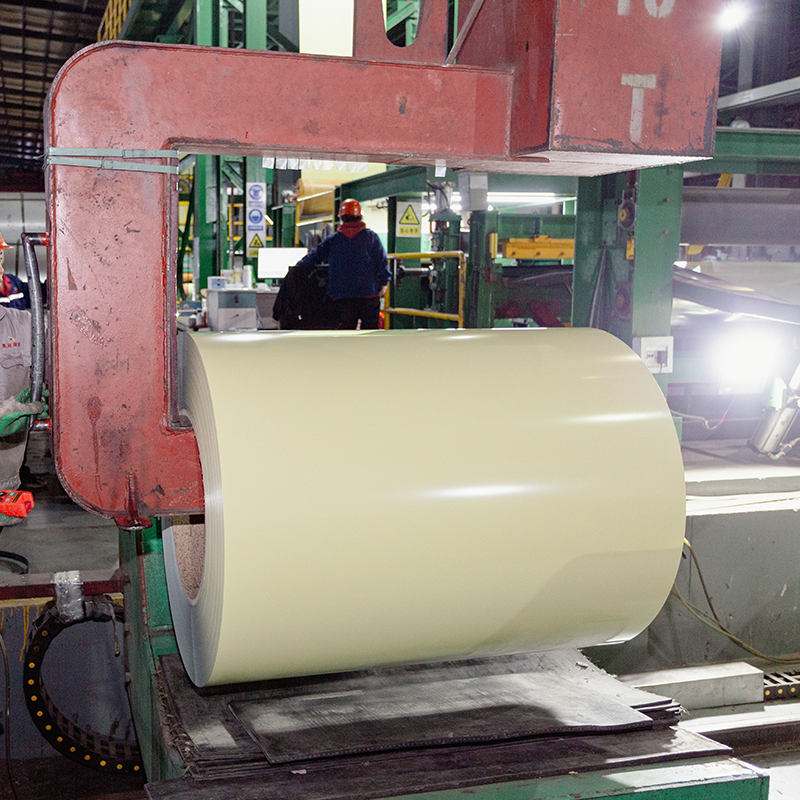
A single-coat, single-bake finish leaves the primer and topcoat as one continuous cure cycle, which limits how thick and how well-bonded each layer can be before defects like pinholing or uneven gloss start appearing. Double-coating double-baking separates primer application and curing from topcoat application and curing into two distinct passes, allowing the primer to fully cross-link and bond to the substrate before the topcoat is applied on top of an already-stable base layer. The result is a coating system with better inter-layer adhesion and more consistent film thickness across the coil width, which translates directly into better resistance to chipping during roll-forming and better long-term color retention outdoors.
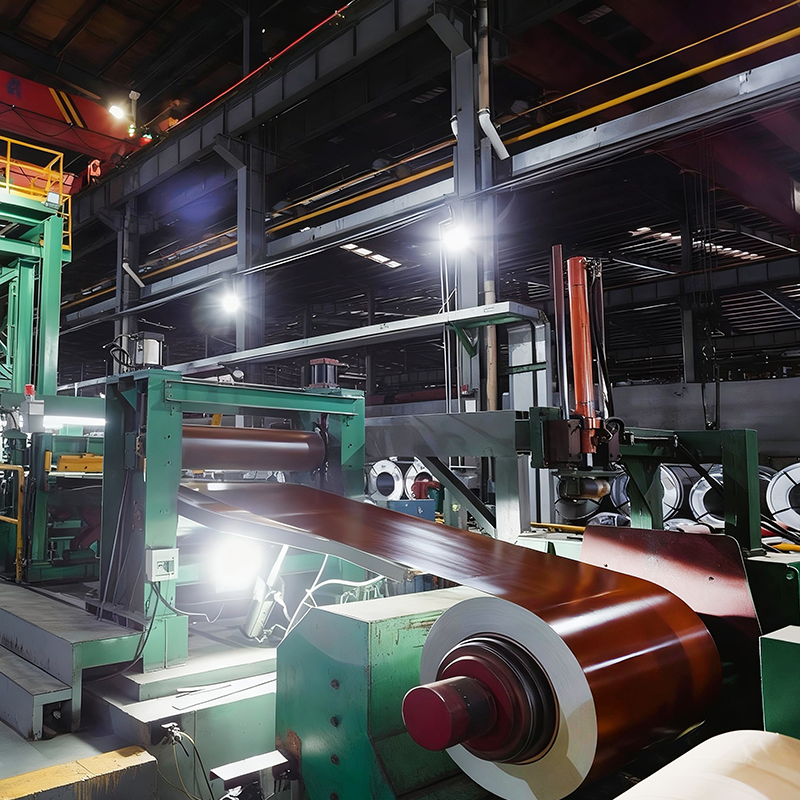
This process distinction matters more than most buyers realize when comparing coils that look identical on a sample chip. A single-bake coating and a double-bake coating from the same paint brand can weather at noticeably different rates once installed, even though both pass initial gloss and color inspection at the factory. Zhejiang Aoguan Thin Steel Technology runs the double-coating double-baking process as standard across its Zhejiang, Jiangsu, and Anhui lines specifically because single-pass coatings tend to underperform once they're exposed to real climate cycling rather than lab test conditions.
Why Paint Brand Selection Is a Weathering Decision, Not a Cosmetic One
Paint resin formulation differs meaningfully between suppliers even within the same nominal coating category, and that difference shows up years later as chalking, fading, or delamination rather than at the point of purchase. Premium paint suppliers like AkzoNobel and Nippon formulate their polyester and PVDF systems with tighter control over pigment dispersion and UV stabilizer content, which is what actually determines how evenly a color fades over years of sun exposure rather than degrading unevenly into a blotchy or streaked appearance. Cheaper, unbranded paint systems can pass initial color-match and gloss tests while still degrading faster once installed, because those specific long-term weathering properties aren't captured by short-cycle factory testing.
UV Stability
Higher-grade resin systems resist chalking and gloss loss over years of direct sun exposure.
Color Consistency
Tighter pigment dispersion control keeps color uniform coil to coil across large production orders.
Adhesion Under Forming
Well-formulated coatings flex with the substrate during roll-forming without micro-cracking.
Salt-Spray Resistance
Coastal and humid-climate installations depend on coating chemistry rated for extended salt exposure.
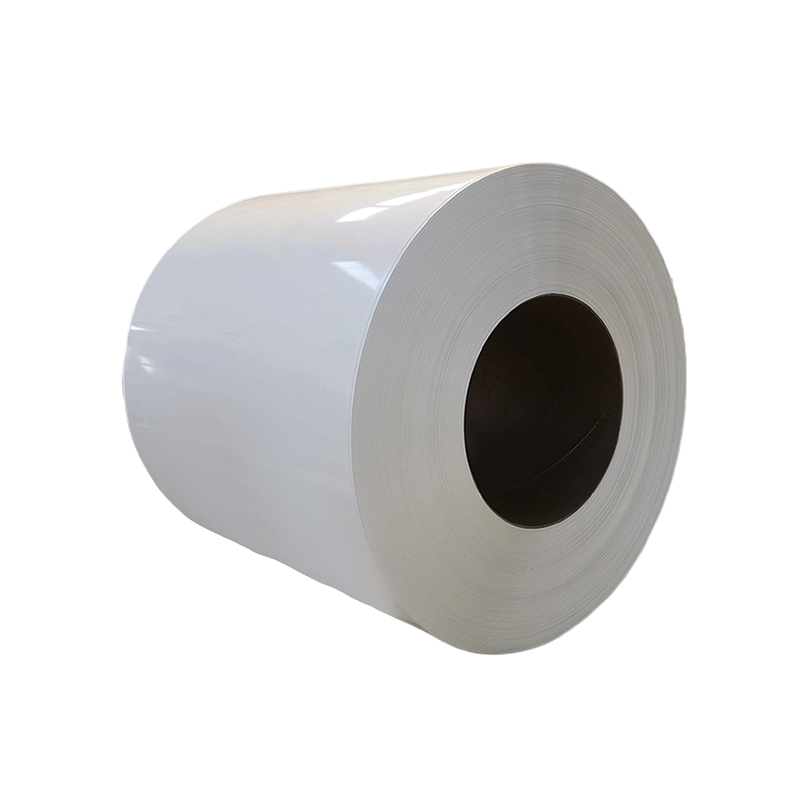
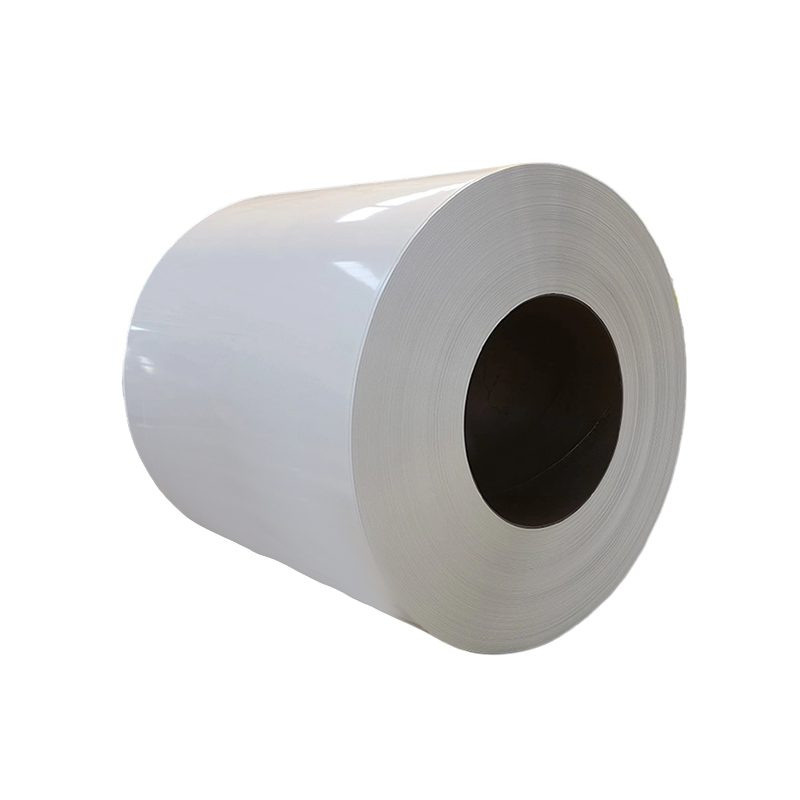
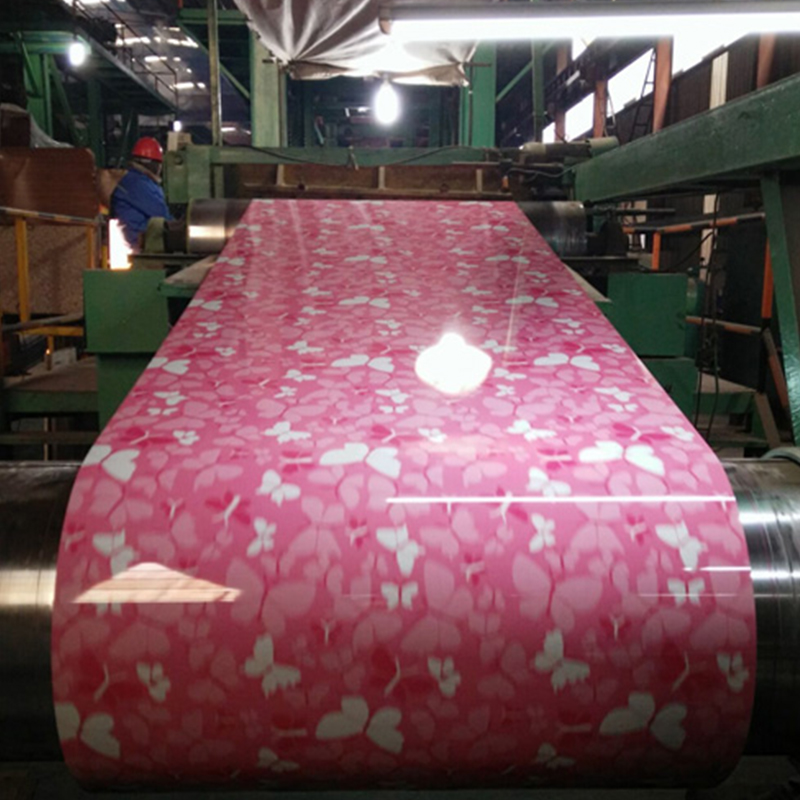
Buyers sourcing Color Coated Steel Coils for export markets with intense UV or coastal salt exposure should ask specifically which paint supplier and resin system was used, not just what coating category the product falls under, since two coils labeled identically can weather very differently in the field.
Matching Coil Specification to Construction, Appliance, and Purification End Uses
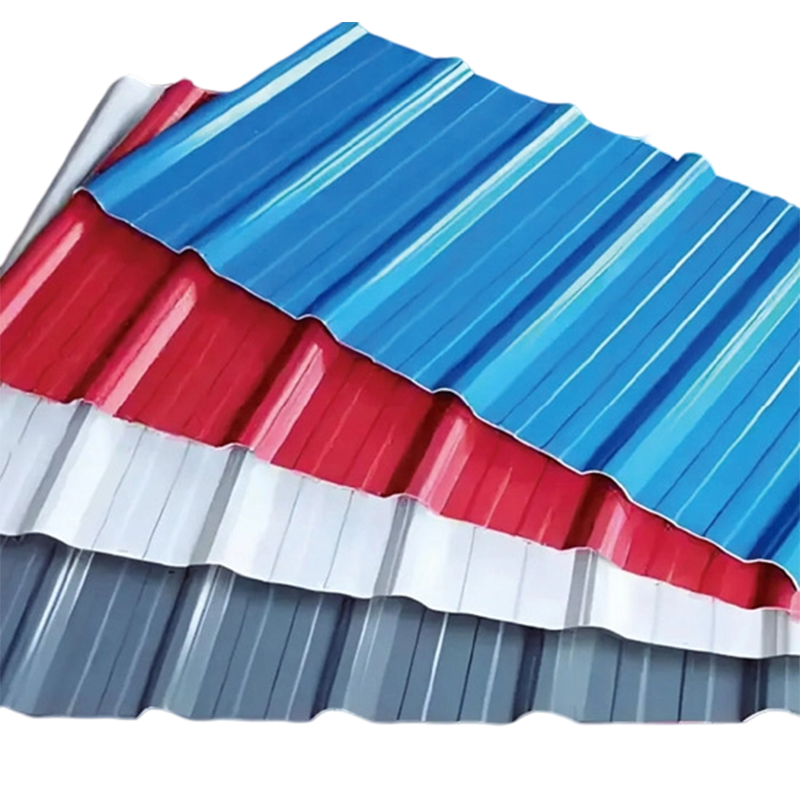
Construction applications, roofing, wall cladding, and structural panels, generally prioritize a balance of formability and weather resistance, since the coil needs to survive tight roll-forming radii without coating cracks while also holding up outdoors for decades with minimal maintenance. Appliance panel applications shift the priority toward surface flatness and coating adhesion under repeated stamping and forming, since cosmetic surface quality is scrutinized far more closely on a visible appliance panel than on an outdoor roofing sheet. Purification and cleanroom panel applications introduce yet another requirement entirely: consistent, contamination-resistant surface finish and dimensional stability under repeated cleaning cycles, which favors specific coating formulations over raw weathering performance.
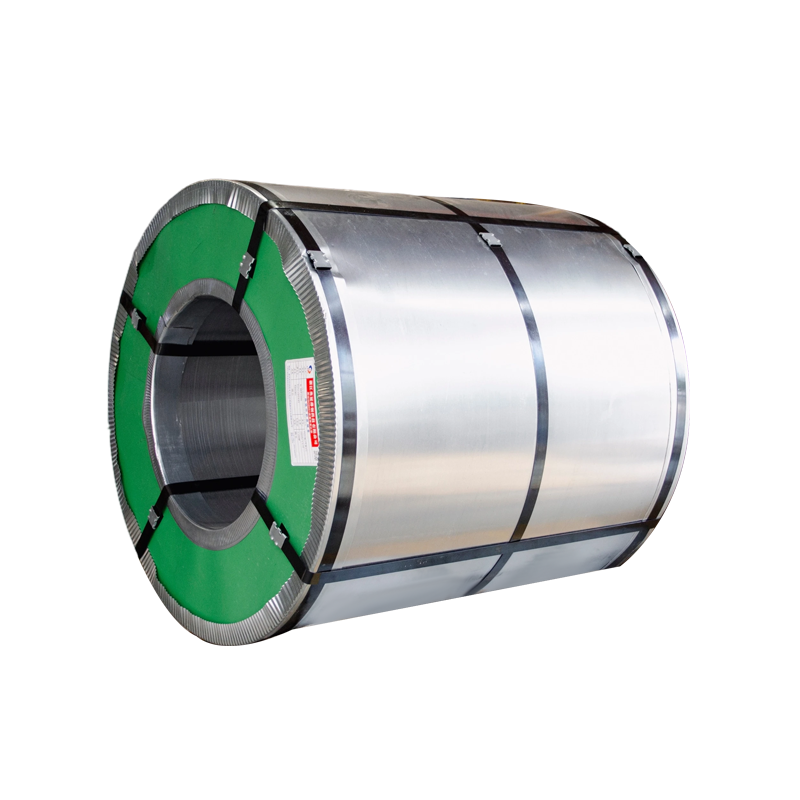
PPGI, galvanized-substrate prepainted coil, tends to be the more commonly specified option across general construction and appliance applications where cost efficiency matters alongside performance, while PPGL's aluminum-zinc alloy substrate is typically reserved for projects facing more aggressive corrosion exposure. Getting this substrate choice wrong doesn't usually show up as an immediate failure, it shows up as accelerated corrosion at cut edges and fastener points years into a project's service life, which is why PPGI and PPGL selection should be driven by the installation environment rather than by price alone.
Engineering Behind a One-Coil MOQ: What Makes Small-Batch Customization Possible
Offering a one-coil minimum order quantity on a customized color or gauge isn't simply a sales policy, it depends on production scheduling and color-matching systems flexible enough to run small custom batches without disrupting standard production runs or introducing color drift between batches. Achieving this reliably requires a color-matching library precise enough to reproduce a custom RAL or client-specific shade consistently on a small run, since color variance that would go unnoticed as an averaged result across a large production batch becomes immediately visible on a single small-batch coil.
- Confirm color match against a physical reference chip or RAL code before committing to a full coil run.
- Specify substrate grade and gauge based on the finished application's structural requirements, not default stock sizing.
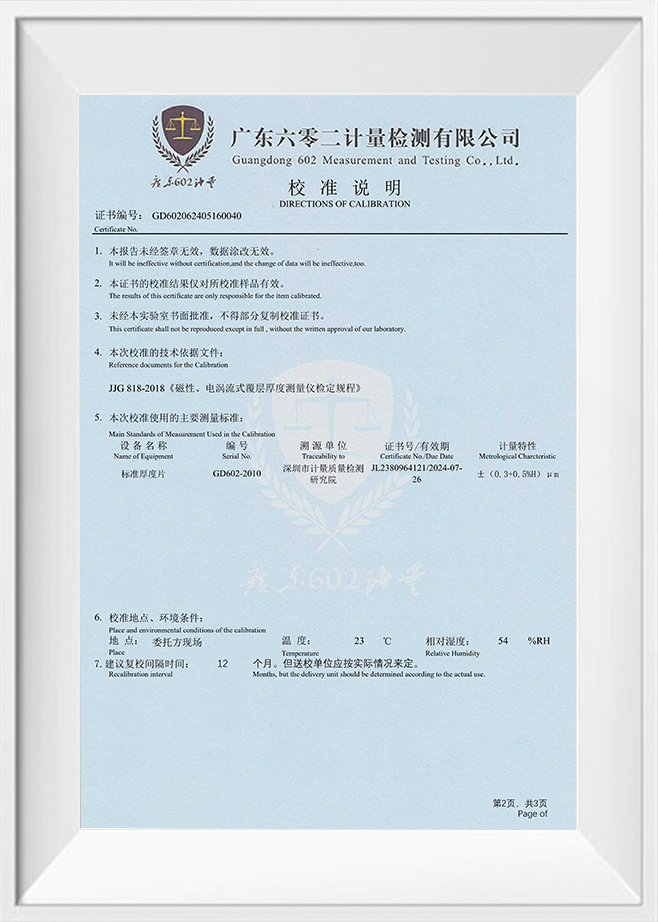
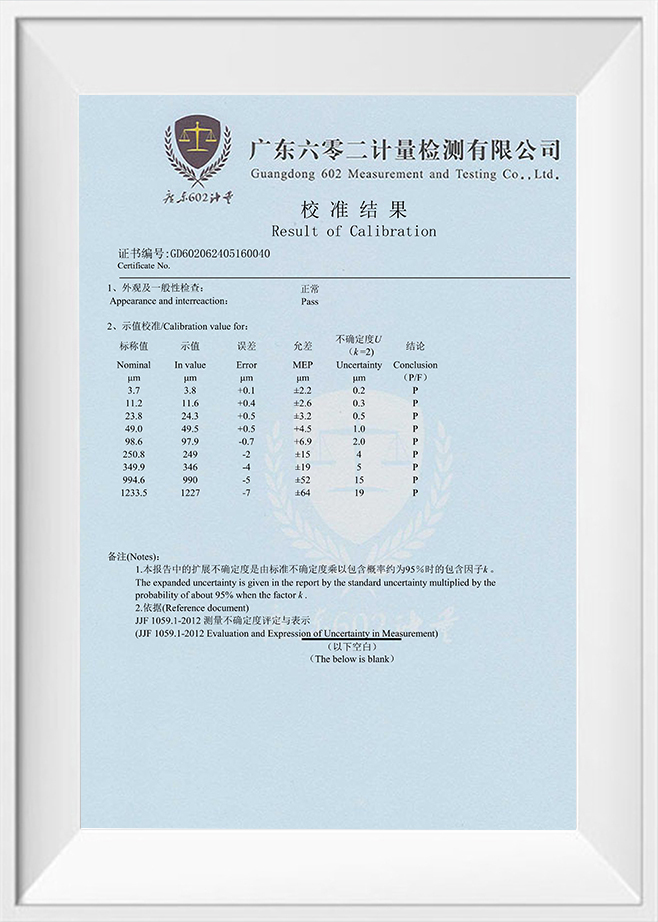
- Request coating thickness and adhesion test data specific to the custom batch, not generic product datasheets.
- Plan lead time around small-batch scheduling windows, which differ from standard bulk production runs.
This kind of flexibility is exactly what an integrated manufacturer with direct production control across multiple facilities can offer that a trading intermediary generally cannot, since custom color and gauge decisions have to be made at the production-line level rather than negotiated after the fact through a supply chain with less direct process visibility.


 English
 Français
 Español
 عربى
عربى