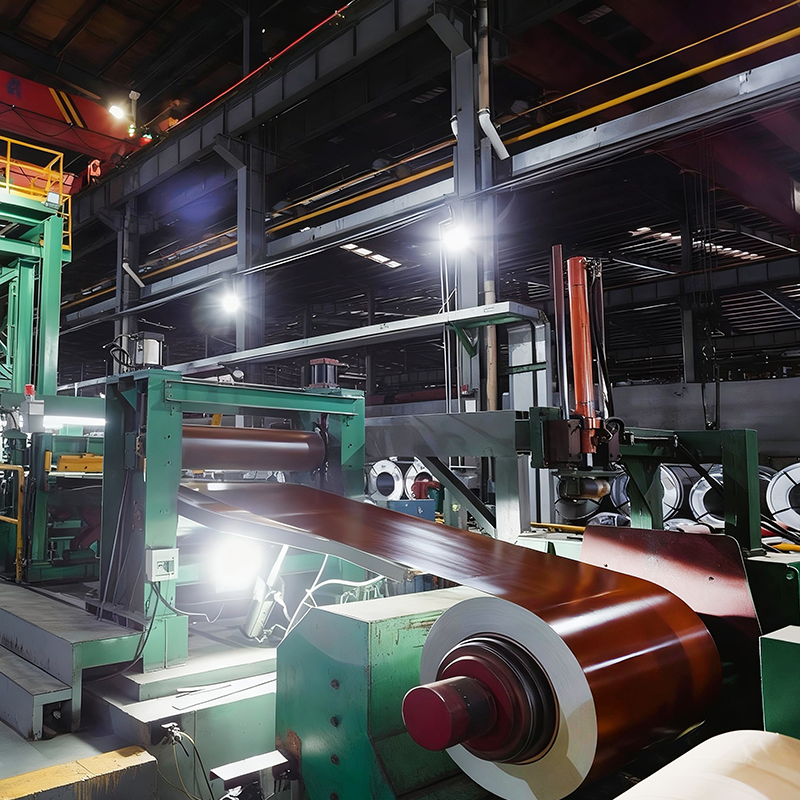
How to maintain and clean anti-bacterial coils without damaging the coating?
In modern construction and industrial environments, hygiene control has become an important consideration for material selection. Metal surfaces used in hospitals, food production facilities, pharmaceutical workshops, laboratories, and commercial kitchens must not only provide durability but also reduce the risk of microbial growth. anti-bacterial coils are designed with functional antimicrobial coatings that help inhibit bacteria, mold, and other microorganisms while maintaining the mechanical properties of traditional color-coated steel.
The cleaning and maintenance process of antimicrobial coated materials requires careful handling because improper methods may damage the coating layer and reduce long-term performance. This article explains how to maintain different types of antimicrobial coated steel products, including coating structures, cleaning methods, application environments, and durability considerations. As a professional manufacturer of color-coated steel coils, Aoguan Thin Steel Group provides customized coating solutions based on different industrial requirements.
1. Antimicrobial-coated coils with durable protective surfaces
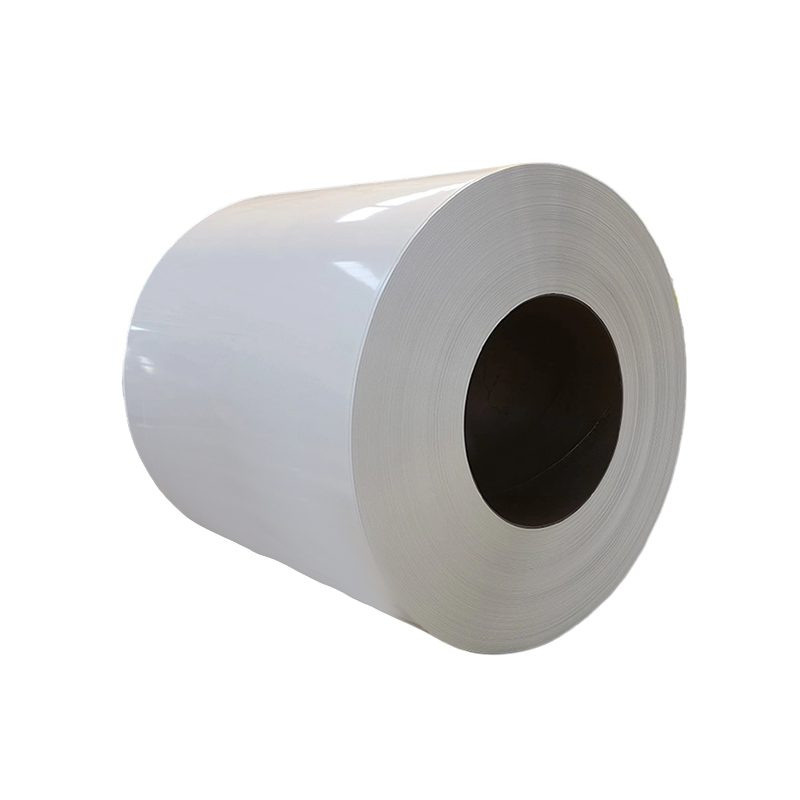
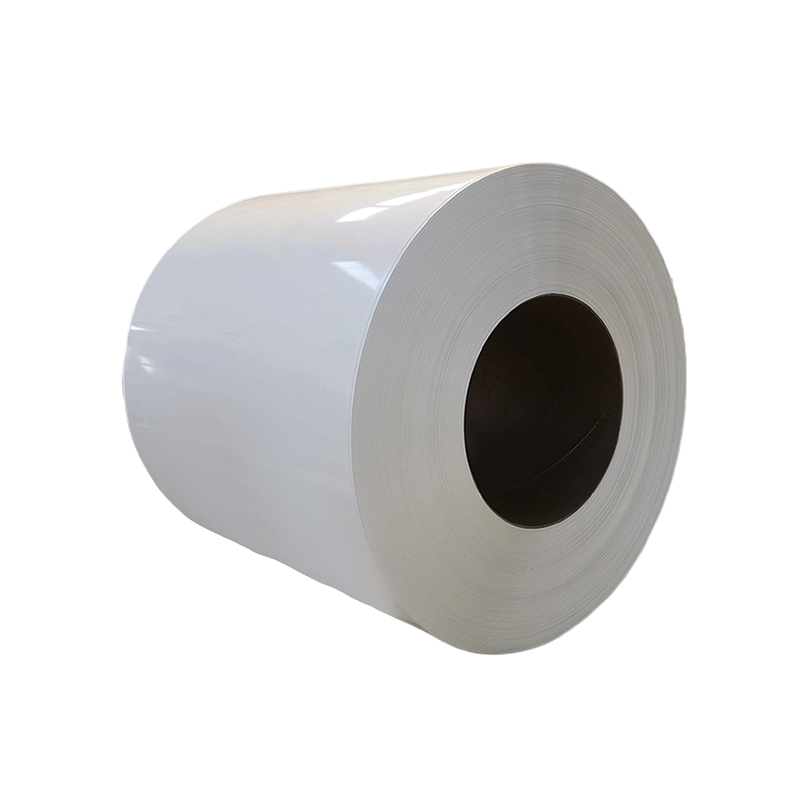
The first category includes functional anti-bacterial coils developed by integrating antimicrobial agents into the coating system. These coils use materials such as silver ions, zinc ions, or organic antimicrobial components to create a surface that continuously inhibits microbial attachment and reproduction. Unlike ordinary coated steel, antimicrobial-coated products combine corrosion resistance, decorative performance, and hygiene protection.
The coating structure usually consists of a primer layer and an antimicrobial topcoat. Some advanced systems may include an antimicrobial primer combined with a protective finishing layer. The coating thickness is carefully controlled to ensure that antimicrobial agents remain stable inside the coating while maintaining abrasion resistance and washability. During daily cleaning, users should avoid sharp tools or highly abrasive materials because scratches may expose the substrate and affect the protective function.
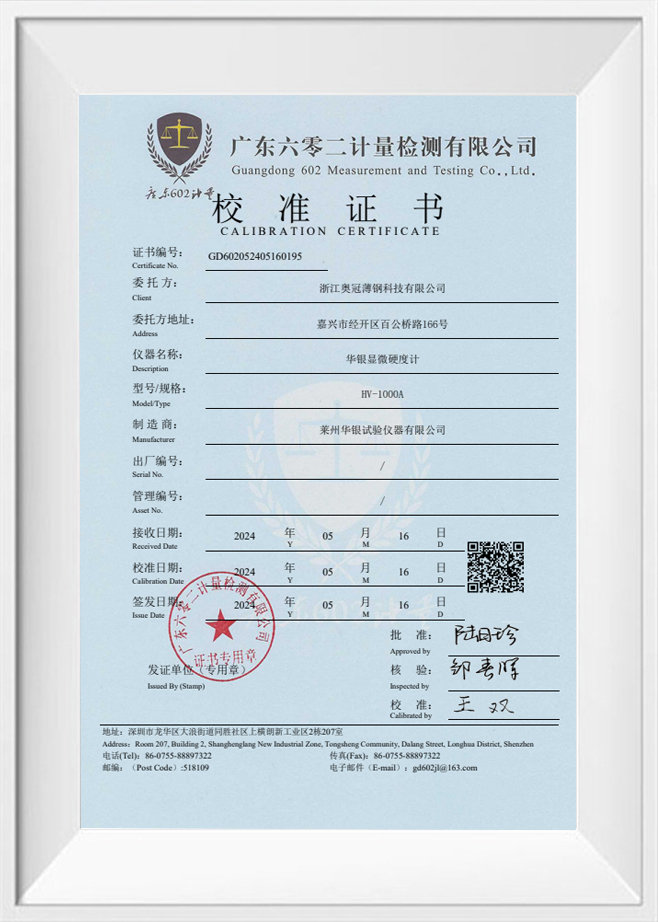
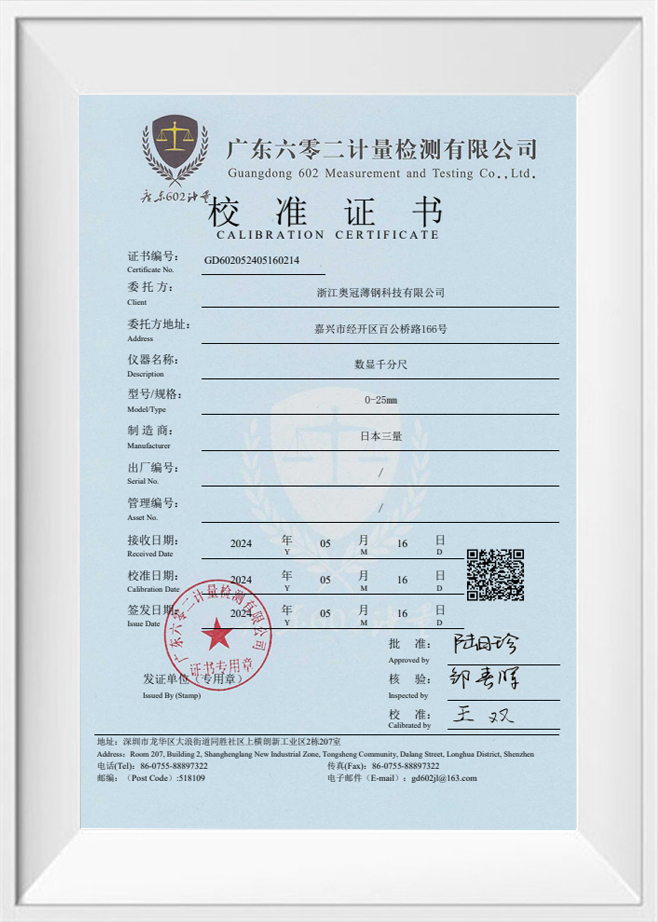
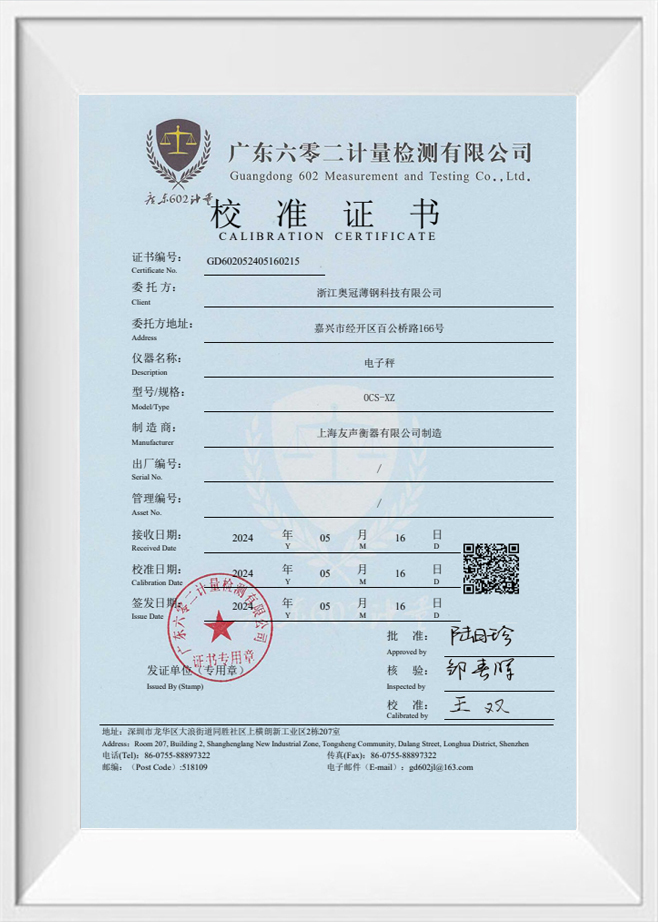
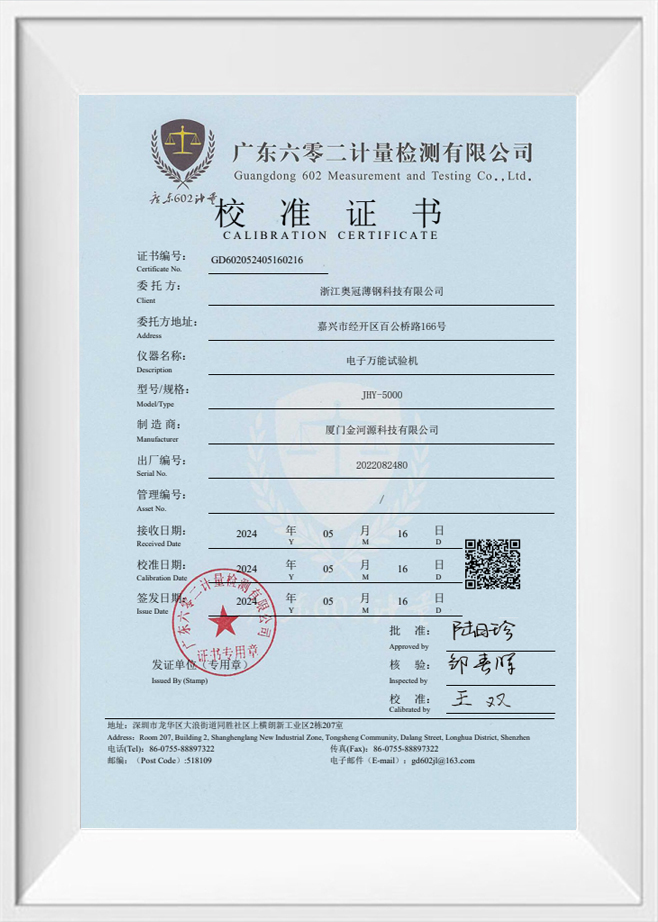
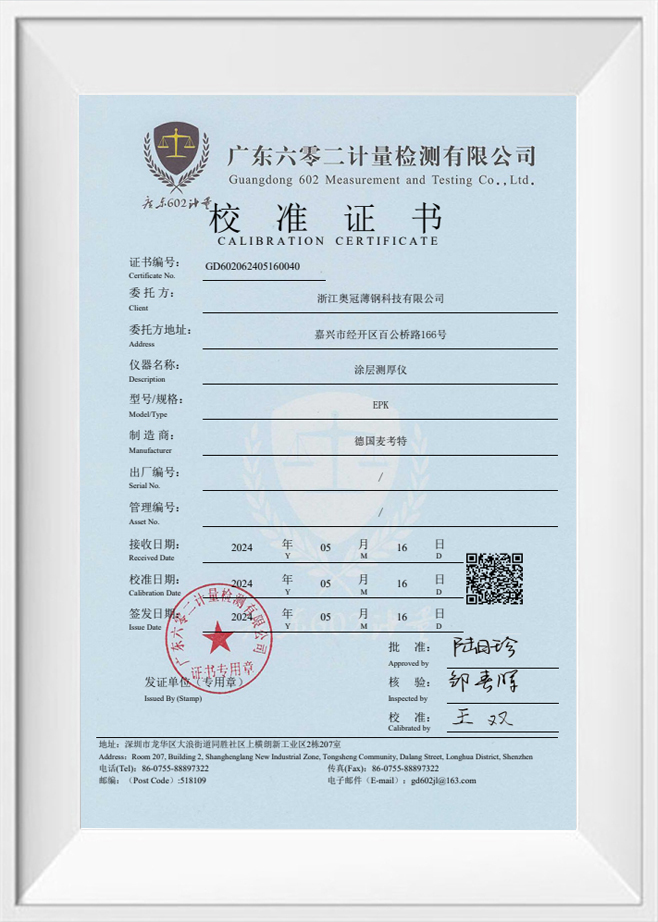
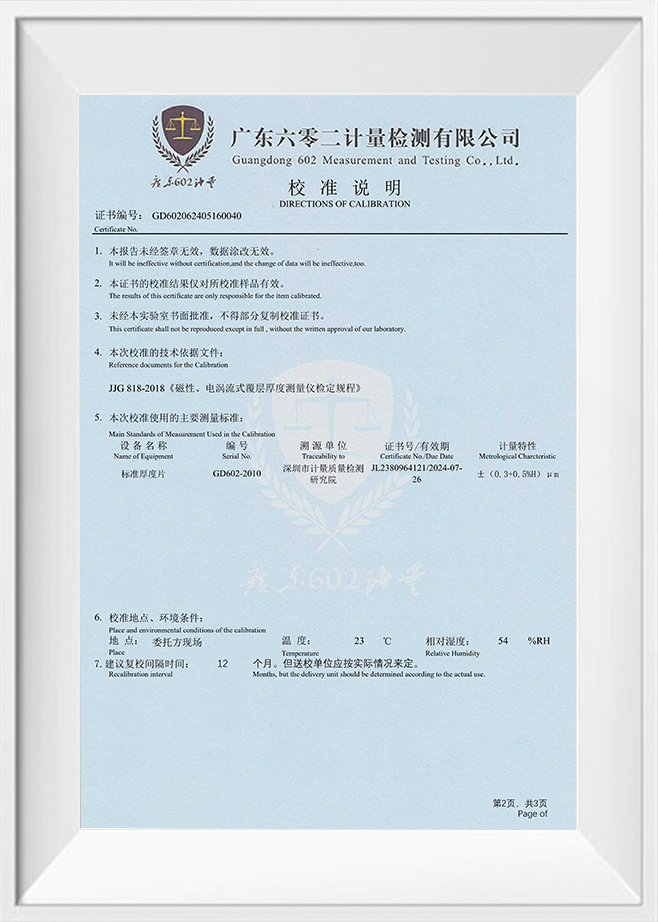
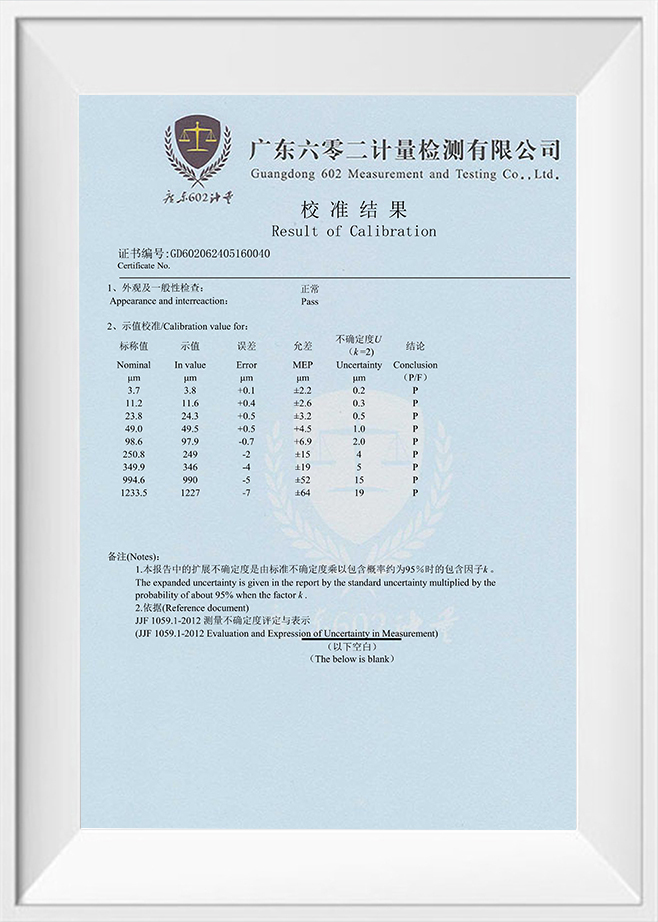
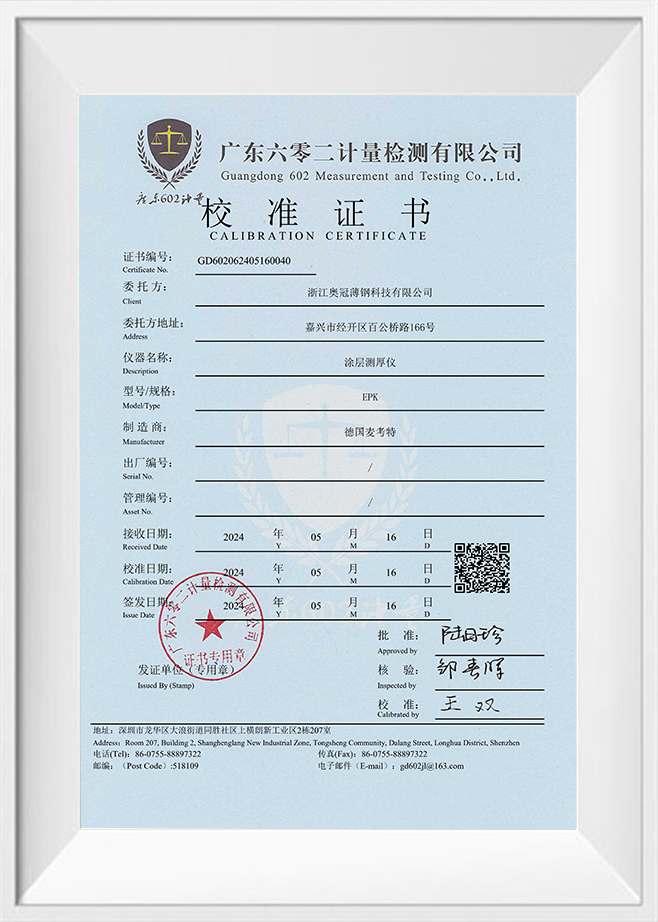
Aoguan Thin Steel Group applies professional coating technologies for customized steel coil production, including antibacterial coating, high zinc coating, fluorocarbon paint, and high weather-resistant paint systems. Through advanced laboratory testing capabilities, the company evaluates coating thickness, color stability, adhesion, and surface performance to ensure products meet different application requirements.
The typical applications of this product category include:
- Hospital wall panels, clean room partitions, and medical equipment enclosures.
- Food processing facilities requiring hygienic and easy-to-clean surfaces.
- Pharmaceutical workshops and laboratories with strict contamination control requirements.
- Public buildings such as schools and commercial kitchens where surface cleanliness is important.
Recommended cleaning methods for antimicrobial coating protection
To maintain the performance of anti-bacterial coils, cleaning should focus on removing dust, grease, and organic contamination without affecting the coating structure. Mild detergents, soft cloths, and clean water are generally suitable for routine maintenance. Alcohol-based disinfectants and weak alkaline cleaners can usually be applied when they are compatible with the coating system.
The following steps are recommended:
- Remove surface dust and loose particles using a soft cloth or low-pressure cleaning method.
- Apply an appropriate neutral cleaning solution and gently wipe the coated surface.
- Rinse the surface with clean water and dry it to prevent residue accumulation.
- Inspect the coating regularly to identify scratches or abnormal surface conditions.
2. Antibacterial color coated sheet for high hygiene environments
antibacterial color coated sheet is a specialized building material featuring active antimicrobial functionality. Its surface coating contains antimicrobial agents that continuously inhibit bacteria and mold growth. Compared with conventional color-coated sheets, this product provides additional hygiene protection while maintaining excellent corrosion resistance, appearance stability, and easy-clean characteristics.
The substrate selection of this product category is similar to conventional coated steel. Galvanized steel and galvalume steel are commonly used because they provide reliable structural strength and corrosion resistance. The coating system is optimized according to environmental conditions, with common structures including primer plus antimicrobial topcoat. Smooth surfaces are often preferred because they reduce dirt accumulation and improve cleaning efficiency.
| Product Category |
Main Features |
Typical Applications |
Maintenance Focus |
| Antimicrobial-coated coils |
Continuous antimicrobial function, corrosion resistance, customizable coating systems |
Industrial facilities, medical spaces, clean environments |
Avoid coating damage and maintain surface integrity |
| Antibacterial color coated sheet |
Decorative appearance, easy cleaning, active microbial control |
Hospitals, food plants, schools, commercial kitchens |
Use mild cleaners and regular inspections |
| Weather-resistant antimicrobial coated products |
Enhanced outdoor durability and color retention |
Exterior walls and long-term exposure areas |
Control chemical exposure and surface wear |
For antibacterial color coated sheet, proper cleaning frequency depends on the application environment. Areas with high traffic or strict hygiene standards may require more frequent wiping and disinfection. However, excessive cleaning pressure or unsuitable chemicals should be avoided because they can reduce surface gloss and affect coating durability.
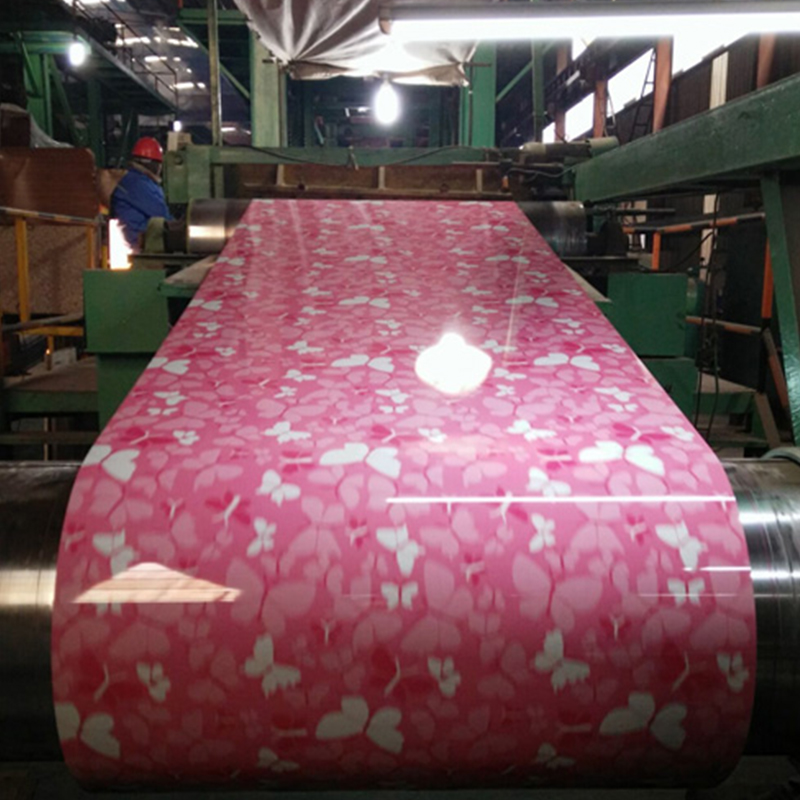
Aoguan Thin Steel Group provides customized color-coated steel solutions with adjustable substrate selection, coating thickness, zinc layer, paint layer, and surface treatment options. With production facilities located across major industrial regions in China and close access to multiple ports, Aoguan supports international customers with flexible manufacturing and export services.
3. Weather-resistant antimicrobial coated coils for long-term durability
The third category focuses on antimicrobial coated coils designed for environments requiring both hygiene performance and extended service life. These products combine antimicrobial functionality with advanced weather-resistant coating systems. Depending on the application, coating systems may use high-performance resin technologies to improve resistance against ultraviolet exposure, moisture, and environmental aging.
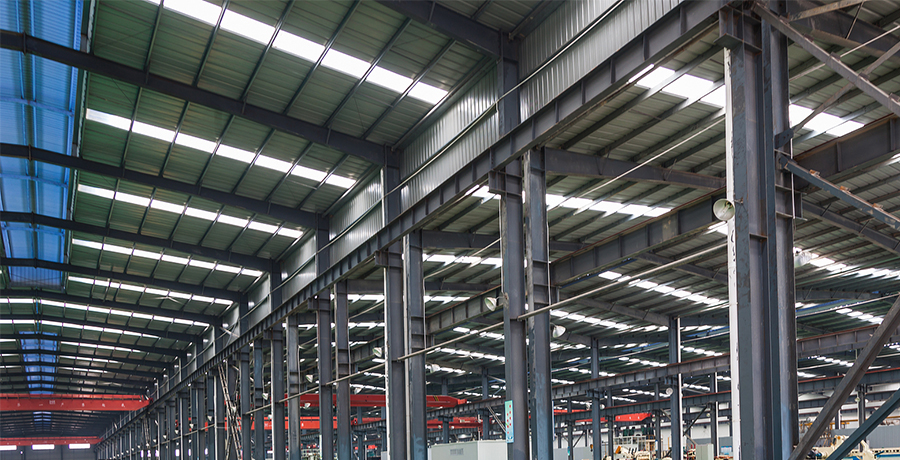
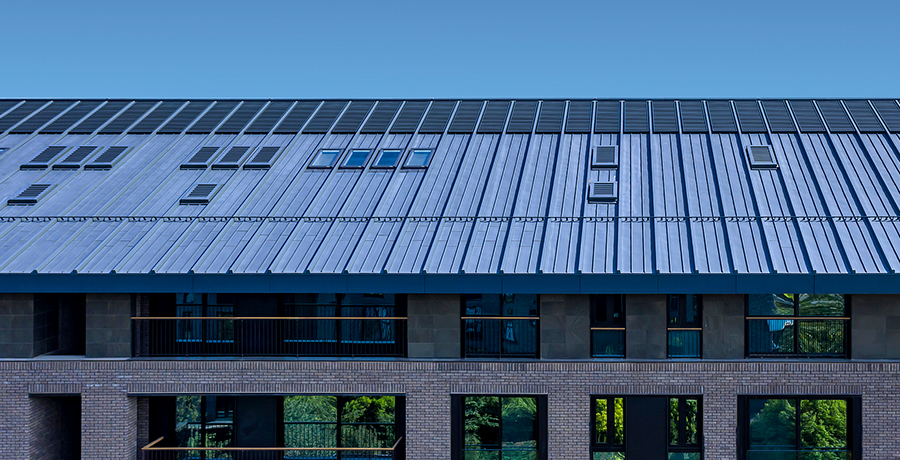
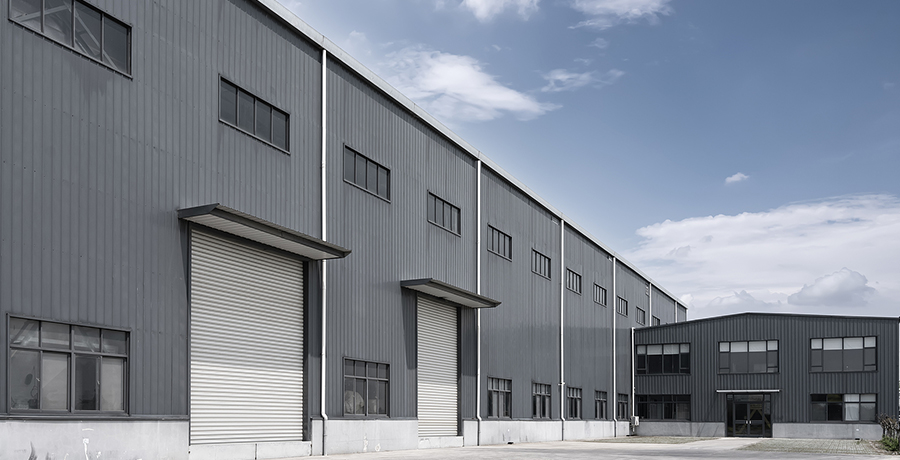
anti-bacterial coils with enhanced durability are suitable for buildings where replacement or frequent maintenance is difficult. Outdoor architectural panels, transportation facilities, and industrial buildings can benefit from coatings that maintain appearance and antimicrobial effectiveness over time. Compared with indoor-focused antimicrobial sheets, these products place greater emphasis on weather resistance, adhesion, and mechanical stability.
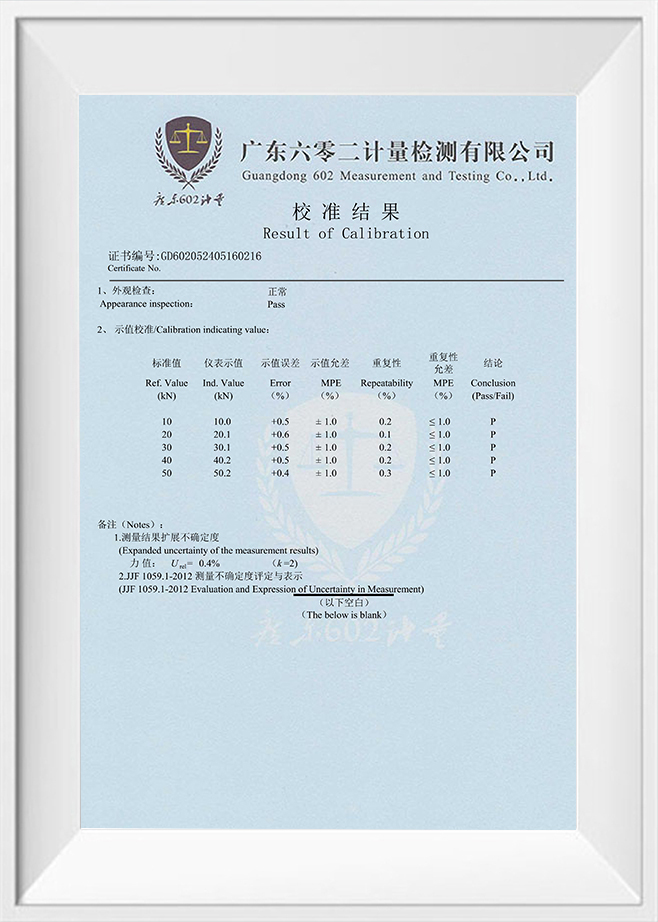
Aoguan Thin Steel Group develops customized solutions according to regional climate conditions and customer application needs. The company provides coating customization options including thickness adjustment, color matching, surface texture selection, and specialized functional coatings. Its CNAS-accredited laboratory performs multiple performance tests to verify product reliability before delivery.
Key advantages of durable antimicrobial coated products
- Stable antimicrobial performance after repeated cleaning and wiping.
- Good resistance against alcohol, weak acids, and weak alkaline cleaning agents.
- Strong coating adhesion and mechanical durability.
- Flexible customization for different construction and industrial applications.
When maintaining these products, users should establish a suitable cleaning schedule based on environmental exposure. Regular inspection helps identify coating wear, surface contamination, or mechanical damage before they influence overall performance.
How Aoguan supports customized antimicrobial steel solutions
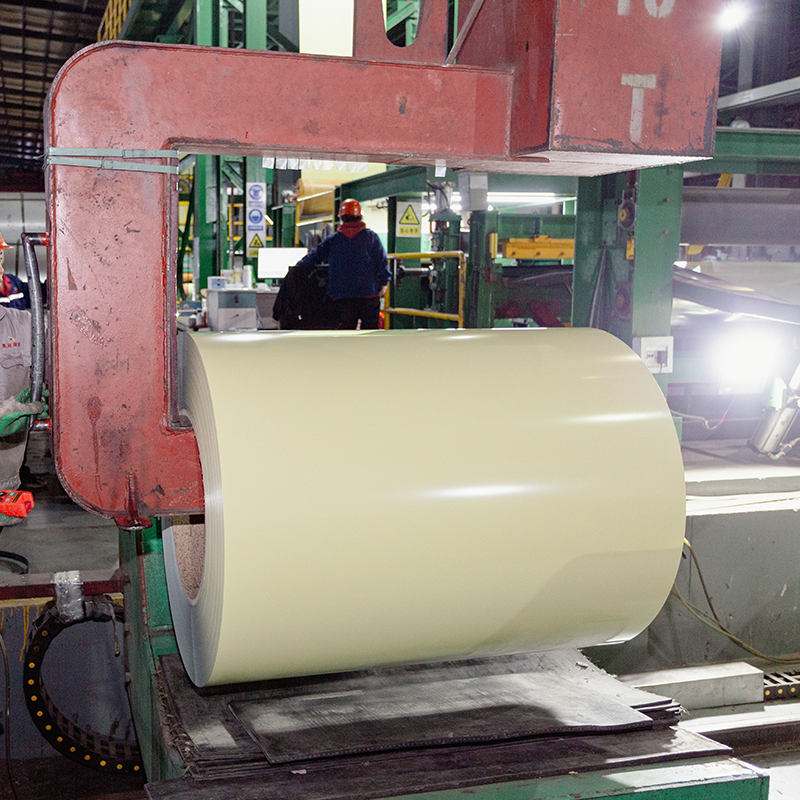
Aoguan Thin Steel Group specializes in PPGI and PPGL production, with annual capacity exceeding one million tons. The company provides customized color-coated steel coils for global markets, including different substrate options, coating structures, colors, and functional treatments. Its production technology covers antibacterial coating, anti-static coating, high weather-resistant paint, and other specialized surface solutions.
Customers can select customized specifications according to project requirements, including thickness ranges, widths, coating types, and surface finishes. Aoguan also provides sample support, technical consultation, and full-process service from product selection to delivery. Through continuous research and quality control, the company helps customers achieve reliable solutions for hygiene-focused construction and industrial environments.
For more information about functional coated steel products, customers can visit the product page of anti-bacterial coils to understand available specifications and application options.
Frequently Asked Questions
Q1: What cleaning products should be avoided for anti-bacterial coils?
Strong acids, strong alkaline cleaners, abrasive powders, and hard brushes should be avoided because they may damage the coating surface and reduce long-term protective performance.
Q2: How long can antibacterial performance remain effective?
The service life depends on coating structure, environment, cleaning frequency, and maintenance methods. Proper cleaning and regular inspection help maintain stable antimicrobial performance.
Q3: Can antibacterial color coated sheet be customized in different colors and finishes?
Yes. antibacterial color coated sheet can be customized with different colors, gloss levels, surface textures, coating thicknesses, and substrate options according to project requirements.
Q4: What industries commonly use anti-bacterial coils?
anti-bacterial coils are widely applied in healthcare facilities, food processing plants, pharmaceutical workshops, schools, laboratories, and other environments requiring improved hygiene control.


 English
 Français
 Español
 عربى
عربى