How do anti-static coils prevent electrostatic discharge (ESD)?
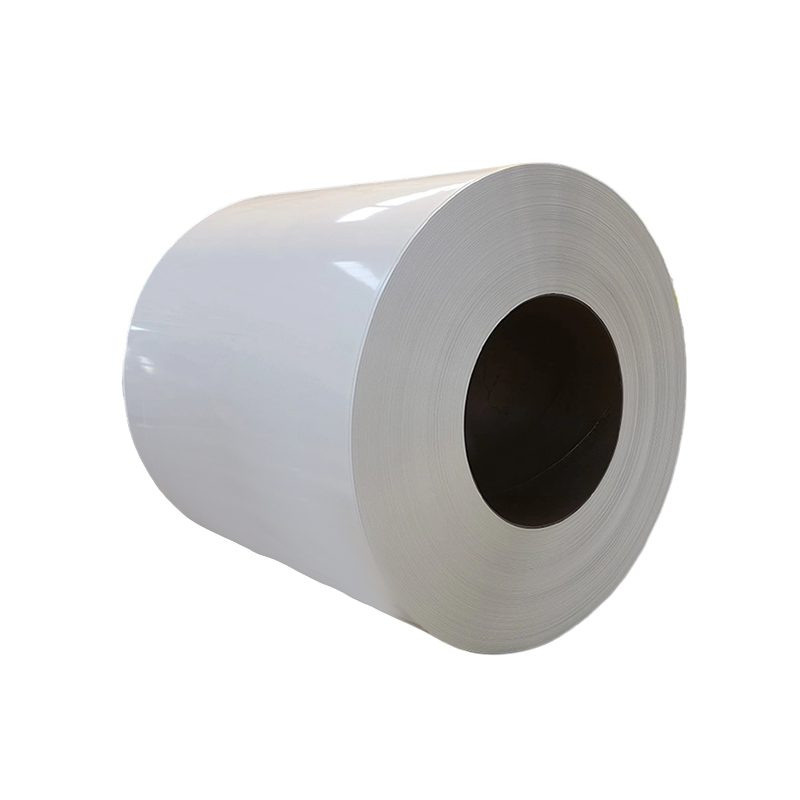
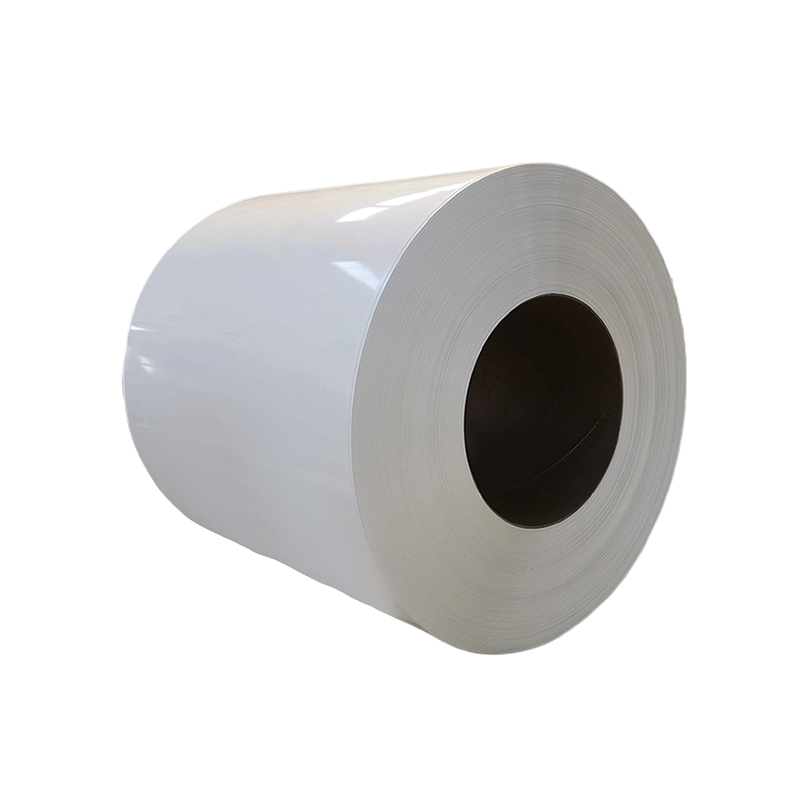
Electrostatic discharge (ESD) is a common concern in modern industrial environments, especially in electronic manufacturing, medical facilities, precision equipment rooms, and chemical storage areas. When static electricity accumulates on metal surfaces, sudden discharge may damage sensitive components, interrupt production processes, or create safety risks. To address these challenges, functional coated steel products with static-control properties have been developed. anti-static coils are specially designed coated steel materials that integrate conductive structures into surface coatings, allowing static charges to dissipate gradually and reducing the possibility of electrostatic accumulation.
Unlike conventional coated steel sheets that mainly focus on corrosion protection and appearance, antistatic coated materials combine surface protection with electrical performance control. The coating contains conductive substances that create a stable conductive network, enabling static charges to move away from the surface. This technology makes the material suitable for clean environments where dust control, equipment safety, and product reliability are important factors.
Conductive Type Anti-Static Coils for Rapid Static Dissipation
Conductive type products represent one category of anti-static coils developed for applications requiring fast charge dissipation. These materials are designed with lower surface resistance, allowing accumulated static electricity to transfer quickly through the coated surface. The coating system usually incorporates conductive particles or materials that form continuous conductive paths without affecting the mechanical strength of the steel substrate.
The main function of conductive type antistatic coated coils is to reduce the risk of sparks caused by electrostatic discharge. Compared with standard color-coated steel coils, which generally behave as insulating materials, conductive coatings provide controlled electrical performance. This makes them suitable for environments where explosive risks or high static sensitivity exist.
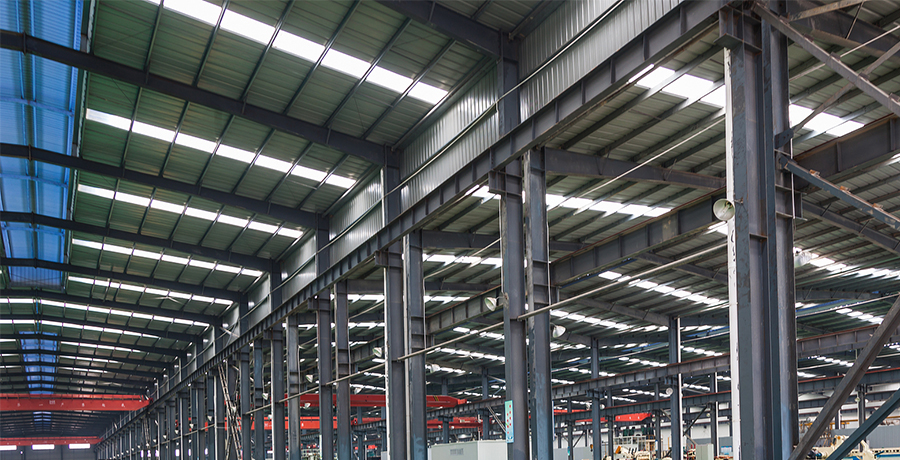
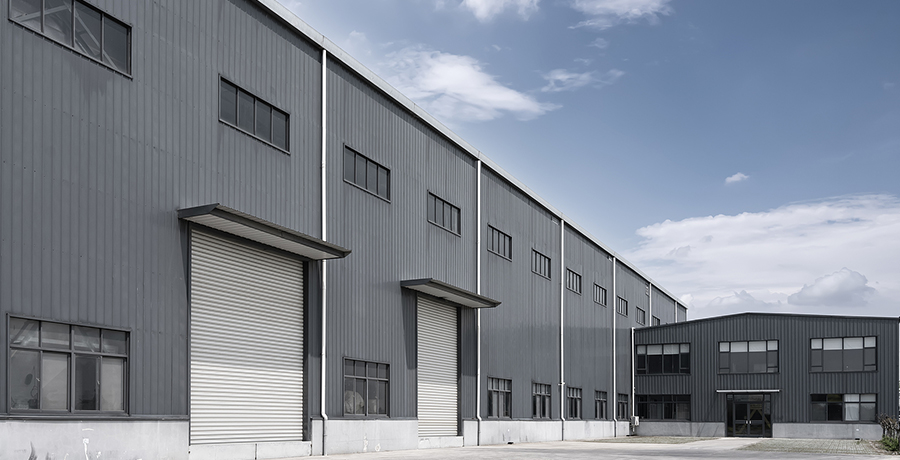
Typical applications include explosion-proof areas, chemical storage zones, electronic production spaces, and industrial rooms requiring strict static management. The substrate selection is similar to conventional coated coils, including galvanized steel and galvalume steel. However, the corrosion resistance requirements of the application environment must be considered to ensure long-term reliability.
- Lower surface resistance for faster static charge release.
- Suitable for areas requiring improved electrostatic safety control.
- Compatible with galvanized steel and galvalume steel substrates.
- Provides both protective coating performance and static control capability.
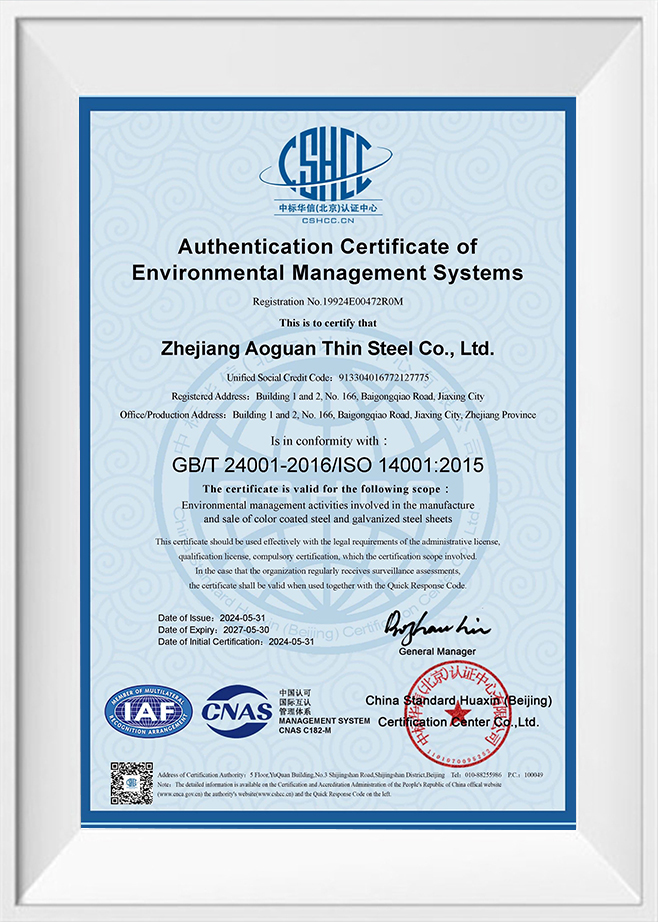
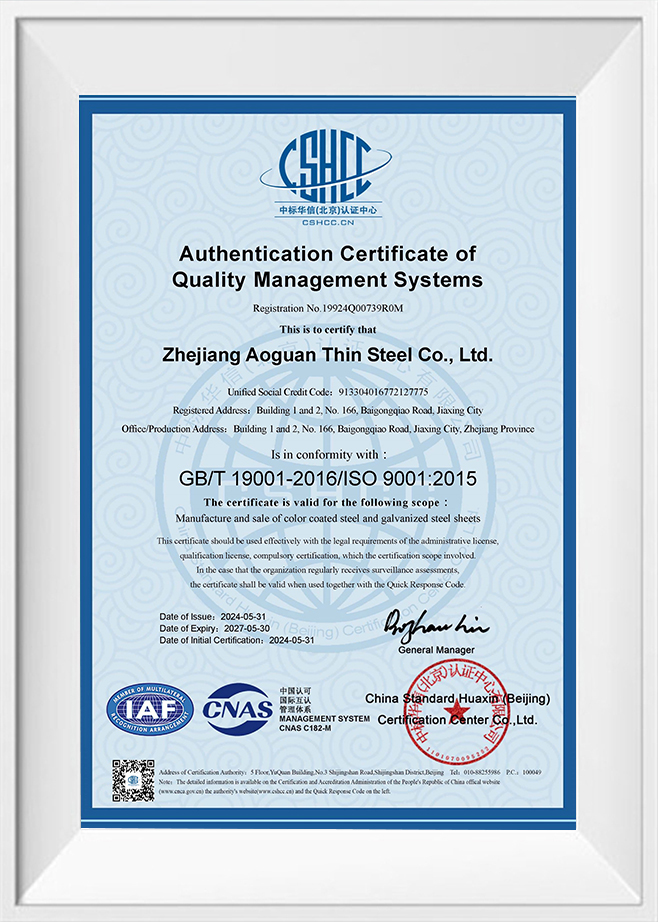
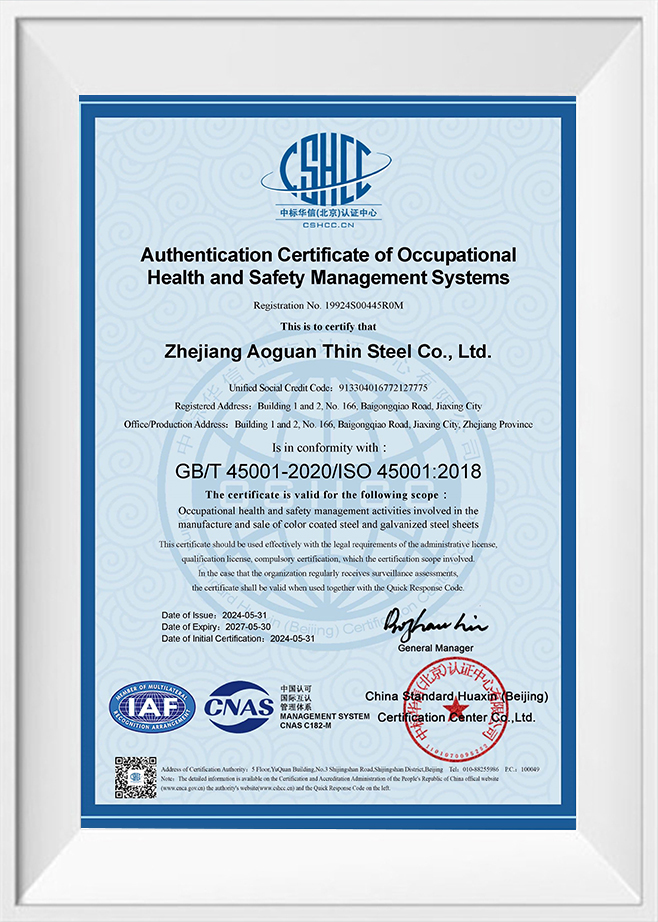
Aoguan Thin Steel Group applies advanced coating technology and strict quality management during the production of functional coated steel products. Through customized substrate selection, coating adjustment, and performance testing, the company supports different industrial requirements for conductive and static-control applications.
Antistatic Type Coils for Dust Prevention and Clean Environments
The antistatic type is another important category of anti-static coils, focusing on preventing static accumulation rather than providing extremely rapid discharge. These products maintain higher resistance levels than conductive types, allowing charges to dissipate in a controlled manner. This balance helps avoid sudden discharge while reducing dust attraction caused by static electricity.
The surface of antistatic coated coils generally uses a primer and antistatic topcoat structure. In some cases, an antistatic primer combined with an antistatic topcoat is adopted to improve coating stability and long-term performance. The coating thickness is carefully controlled because sufficient coating protection is required to maintain the conductive particle structure.
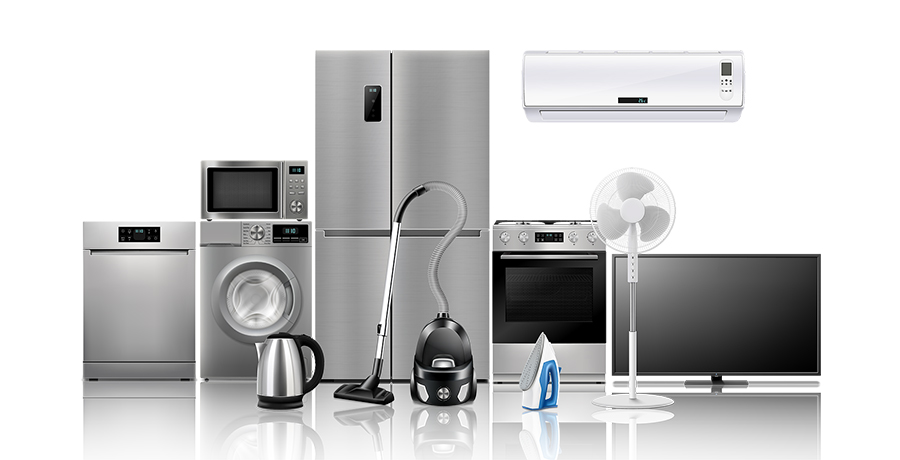
This category is widely used in electronic component workshops, computer rooms, server facilities, medical equipment areas, and precision manufacturing environments. In these locations, excessive static electricity can attract dust particles or affect sensitive equipment operation. The controlled dissipation characteristics of antistatic coatings help maintain cleaner and safer working conditions.
| Product Category |
Surface Resistance Range |
Main Function |
Typical Applications |
| Conductive Type |
Lower resistance performance |
Rapid static charge dissipation |
Explosion-proof areas, chemical zones |
| Antistatic Type |
Controlled resistance performance |
Prevent charge accumulation and dust attraction |
Electronics workshops, computer rooms |
| Regular Coated Coil |
Insulating performance |
Color and corrosion protection |
General construction applications |
Aoguan Thin Steel Group provides customized coating solutions according to different application requirements. With production capabilities covering various coating systems, thicknesses, colors, and surface treatments, the company can manufacture functional coated steel products that meet the requirements of industrial customers worldwide.
Anti-Static Color Coated Sheets with Enhanced Functional Performance
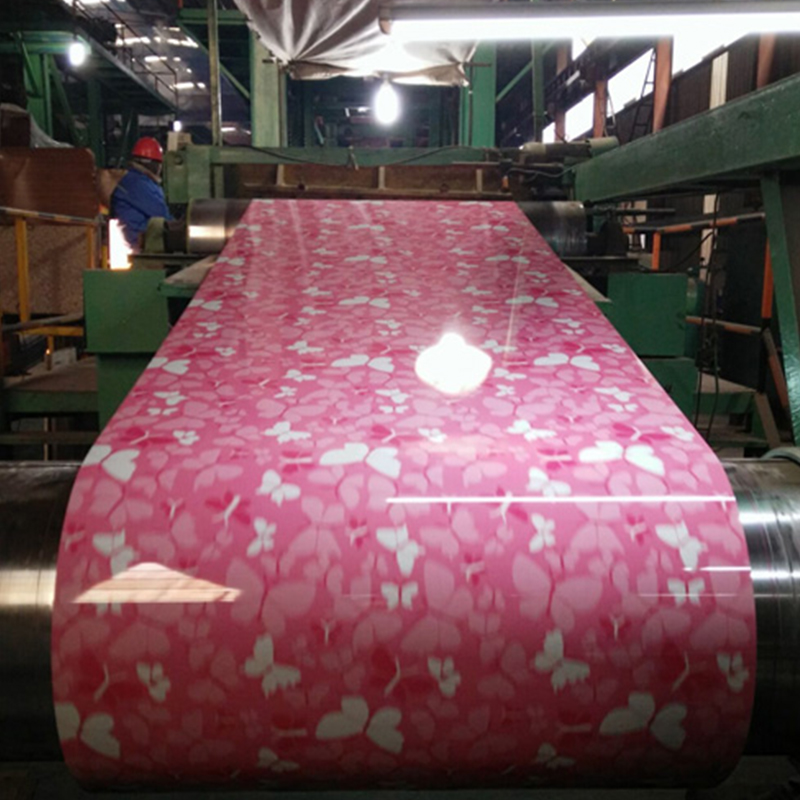
The anti-static color coated sheet is a specialized product designed to combine decorative appearance, corrosion resistance, and electrostatic protection. Its surface coating forms a conductive network that helps transfer static charges away from the surface. Compared with traditional coated sheets, this product provides additional protection in environments where electrostatic control is essential.
The performance of these products depends on multiple factors, including substrate type, coating system, coating thickness, and environmental conditions. Galvanized steel and galvalume steel are commonly selected substrates because they provide reliable mechanical strength and corrosion resistance. Coating systems may include polyester, high durability coatings, or other functional paint structures depending on weather exposure requirements.
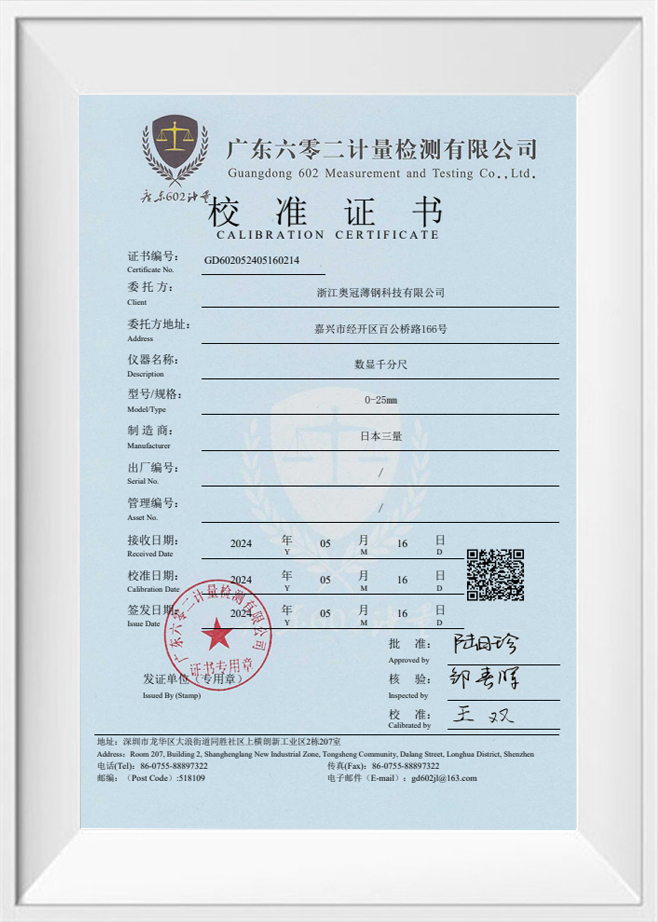
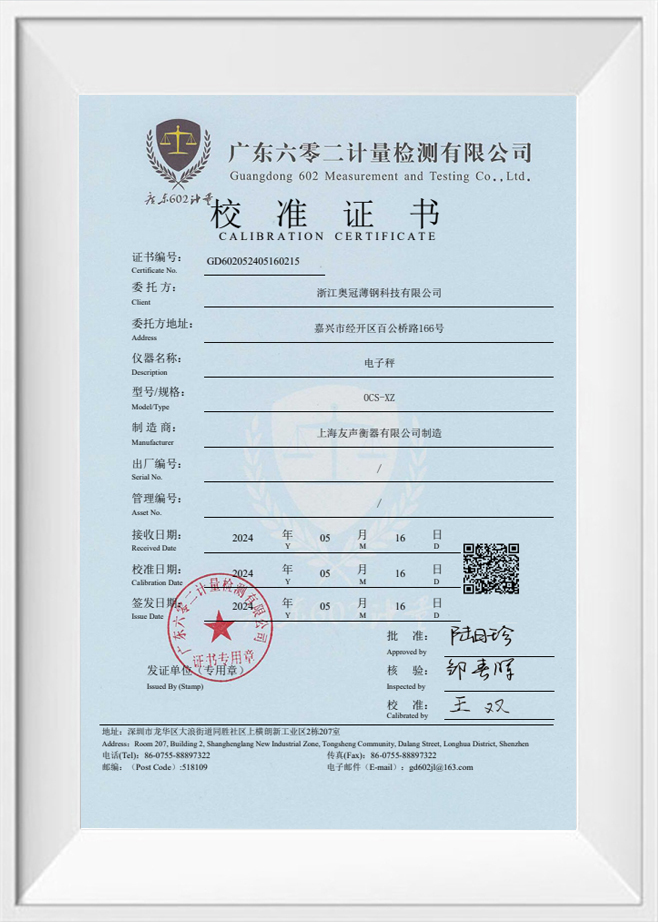
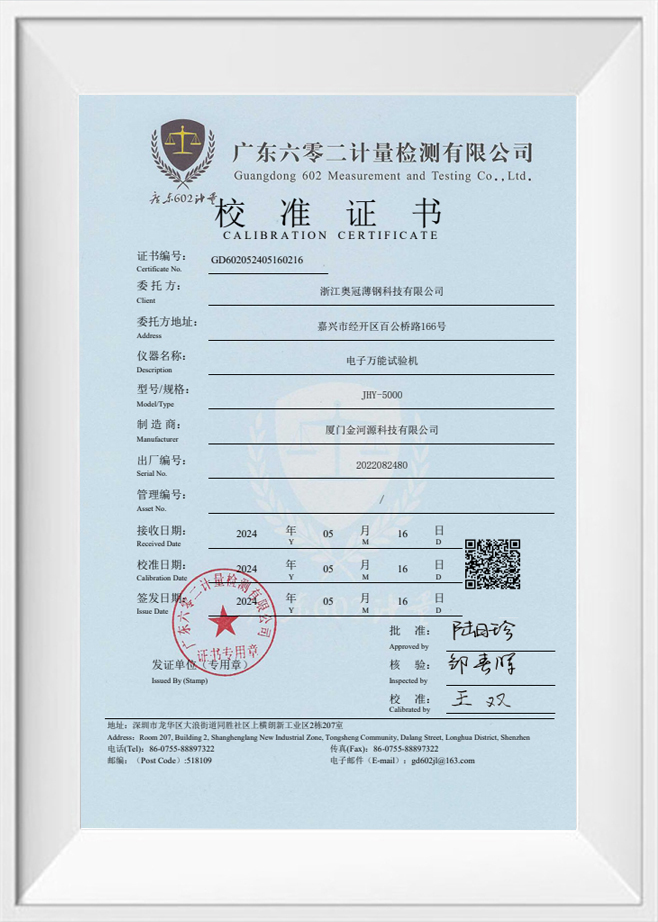
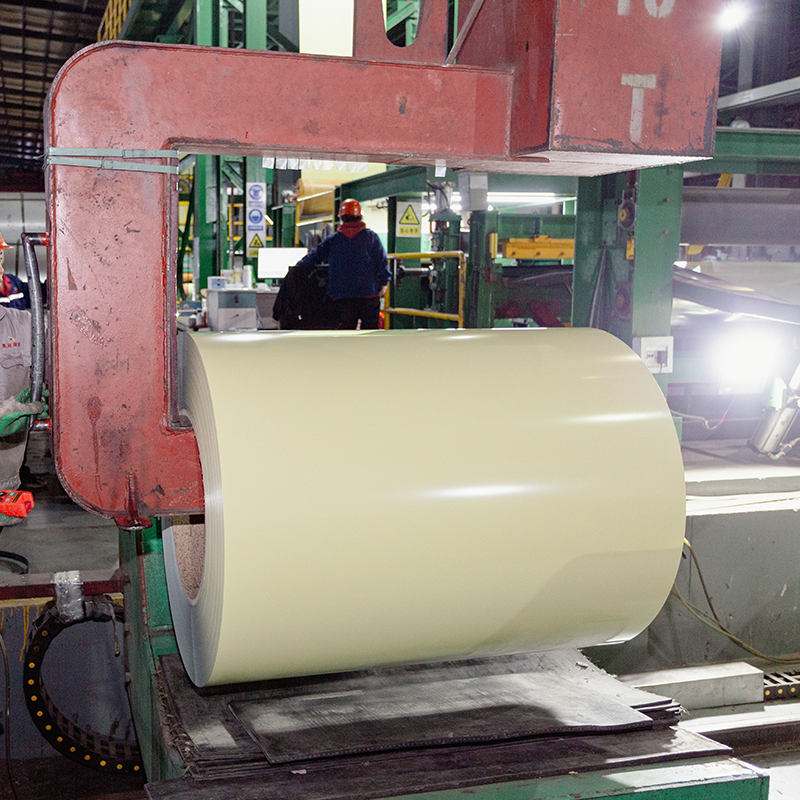
Aoguan Thin Steel Group produces customized color-coated steel products with thickness ranges from 0.15mm to 1.5mm and width ranges from 800mm to 1300mm. The company supports customized solutions for substrates, colors, coatings, zinc layers, and film thicknesses. Its laboratory testing system covers multiple performance indicators, helping ensure coating adhesion, color consistency, surface quality, and functional stability.
- Evaluate the application environment, including corrosion conditions and static control requirements.
- Select suitable substrate materials such as galvanized steel or galvalume steel according to durability needs.
- Determine the appropriate coating structure and thickness to achieve stable antistatic performance.
- Perform quality testing to verify coating adhesion, abrasion resistance, and long-term performance.
The company also provides customized export services supported by convenient transportation connections near major ports in China. With professional packaging solutions and technical support, Aoguan helps customers obtain functional coated steel products suitable for different regional market requirements.
Technical Factors Affecting Anti-Static Coil Performance
The effectiveness of anti-static coils depends not only on conductive coating materials but also on manufacturing precision and durability control. Surface appearance, mechanical properties, and weather resistance must be considered together to ensure stable performance during long-term use.
Important performance factors include abrasion resistance, solvent cleaning resistance, coating adhesion, and weathering stability. During practical applications, the coating should maintain its antistatic characteristics after regular cleaning and environmental exposure. Testing procedures such as surface resistance evaluation, coating hardness inspection, and accelerated weathering assessment help verify product reliability.
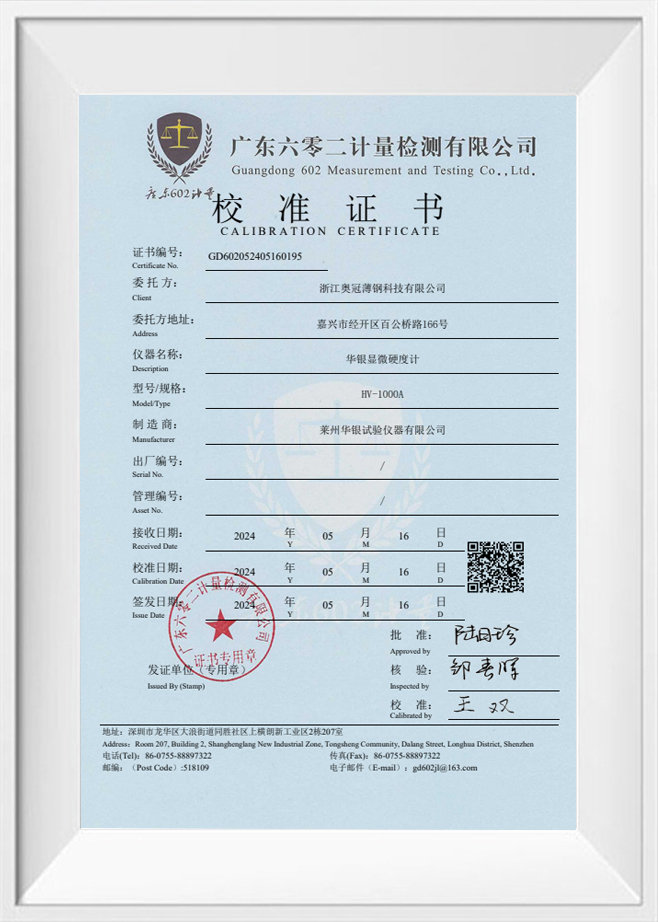
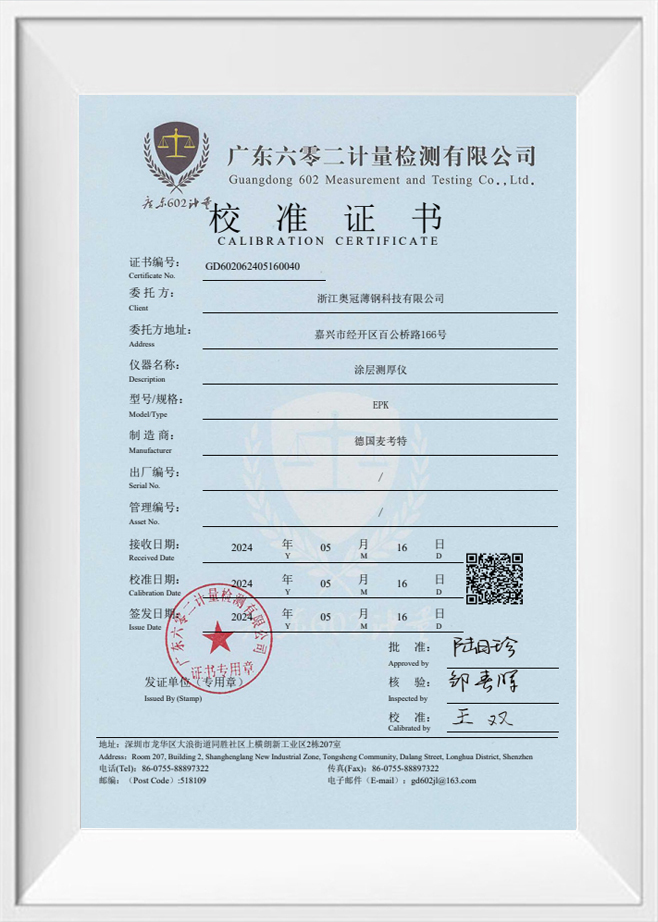
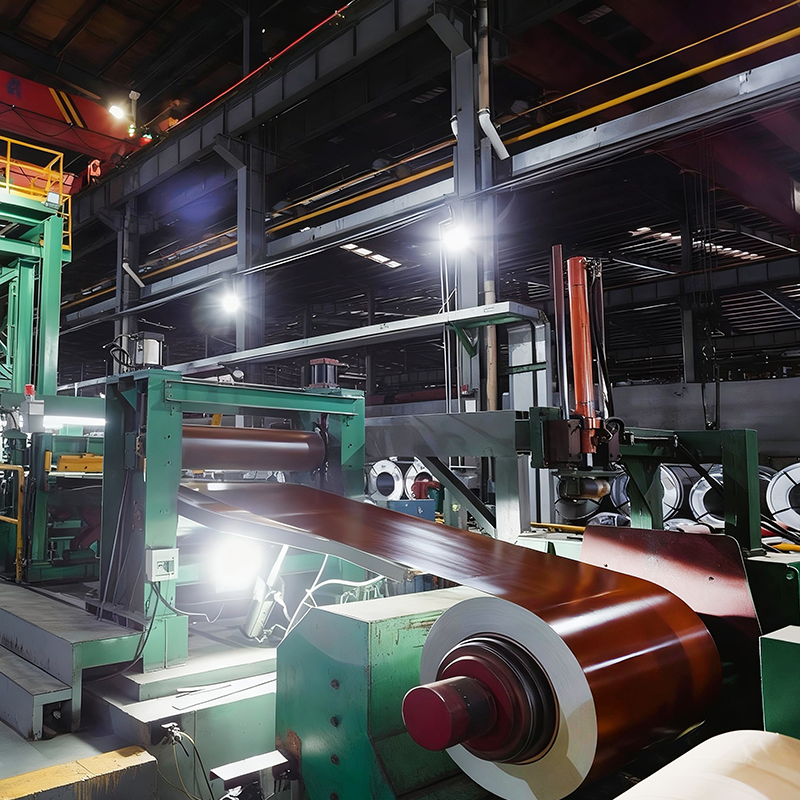
Aoguan Thin Steel Group focuses on process optimization through advanced production lines and professional testing equipment. The company uses coating thickness control, color measurement equipment, and surface inspection methods to maintain consistent product quality. Its research and development capabilities allow customized solutions for industries requiring functional coated steel materials.
Frequently Asked Questions
Q1: What is the main difference between conductive type and antistatic type coils?
Conductive type coils focus on faster static charge dissipation and are commonly used in environments with higher safety requirements. Antistatic type coils provide controlled charge release and are mainly used for dust prevention and protection of sensitive equipment.
Q2: How do antistatic coated coils prevent electrostatic discharge?
These coils use functional coatings containing conductive structures that create a path for static charges to move away from the surface. This reduces charge accumulation and lowers the risk of sudden electrostatic discharge.
Q3: Where are anti-static color coated sheets commonly used?
They are commonly applied in electronic workshops, medical facilities, precision instrument areas, computer rooms, and chemical storage environments where static control is important.
Q4: Can Aoguan provide customized anti-static coated steel products?
Yes. Aoguan Thin Steel Group provides customized options for substrates, coatings, thicknesses, colors, and surface treatments to meet different industrial application requirements.


 English
 Français
 Español
 عربى
عربى