Why Has Pre-Painted Steel Coil for Building Materials Become the Preferred Choice for Modern Construction?
As the global construction industry continues to move toward higher efficiency, sustainability, and architectural aesthetics, the performance requirements for building materials have become increasingly demanding. Although traditional steel offers excellent strength and workability, it is vulnerable to corrosion and weathering over time. To extend service life while meeting diverse architectural design needs, Pre-Painted Steel Coil for Building Materials has become one of the most widely adopted materials in modern construction.
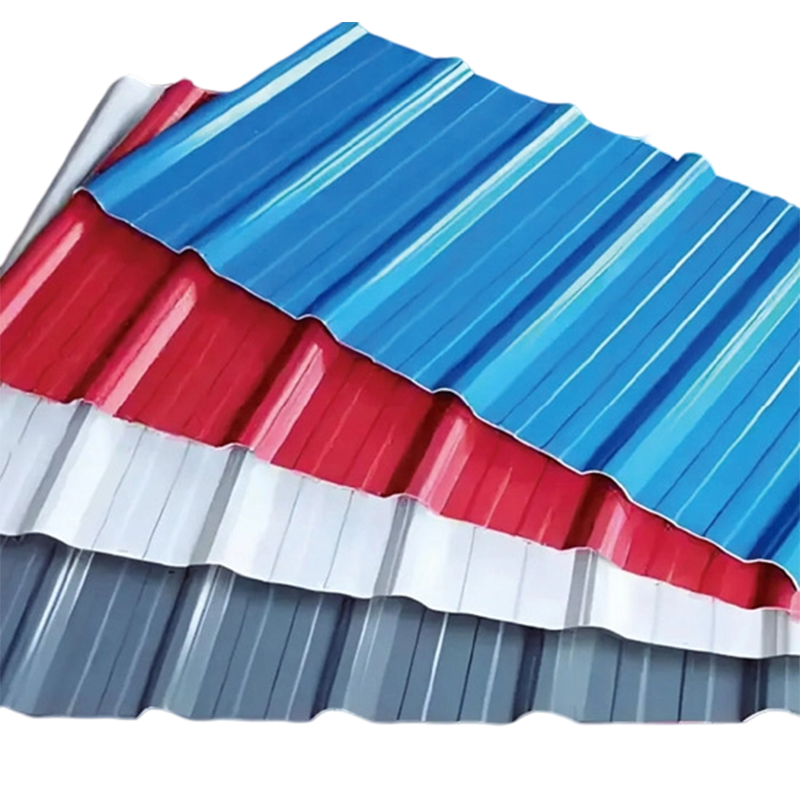
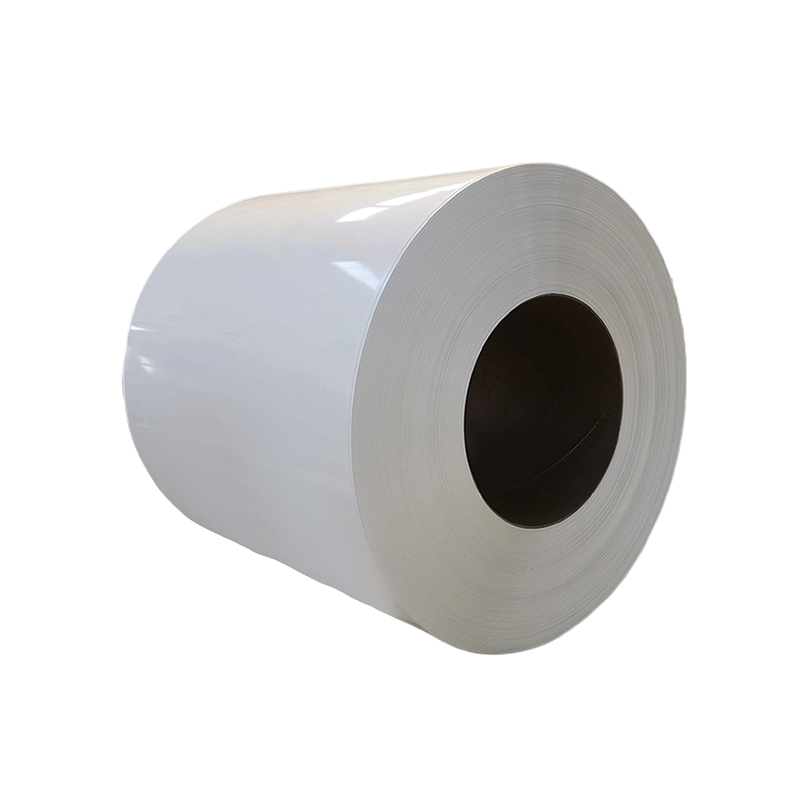
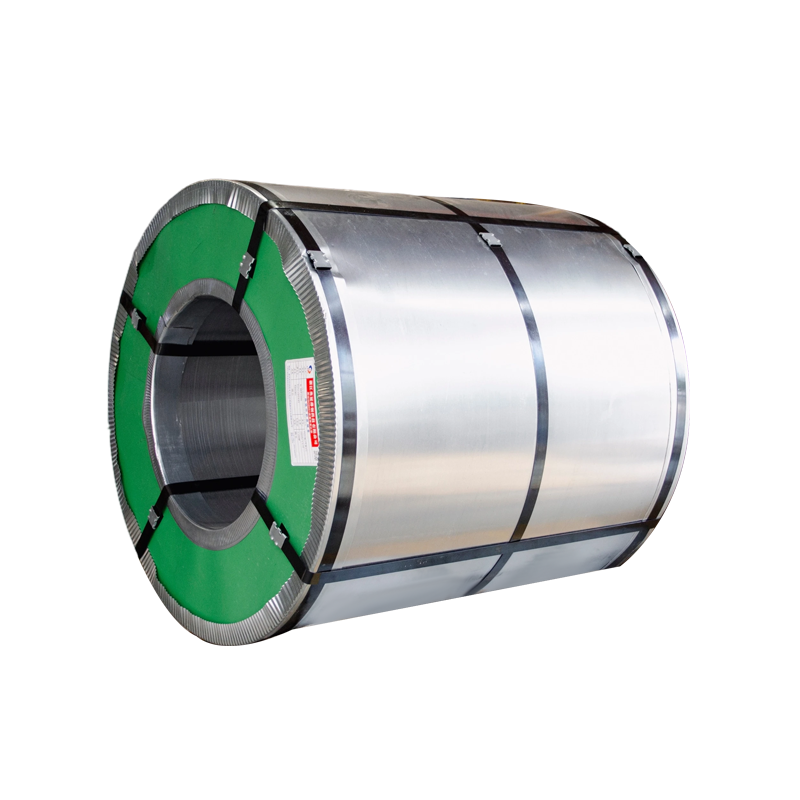
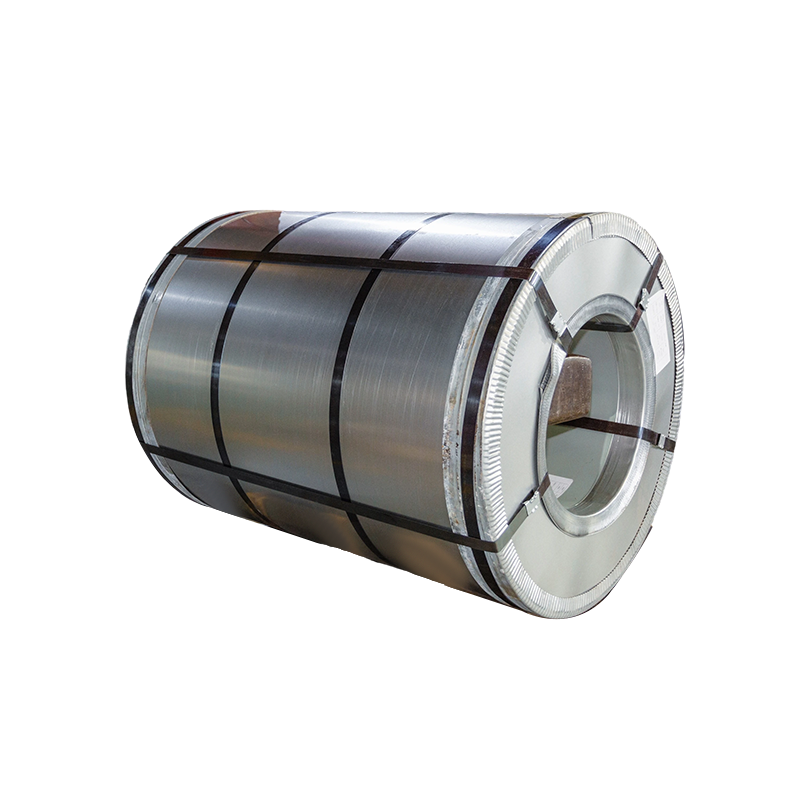
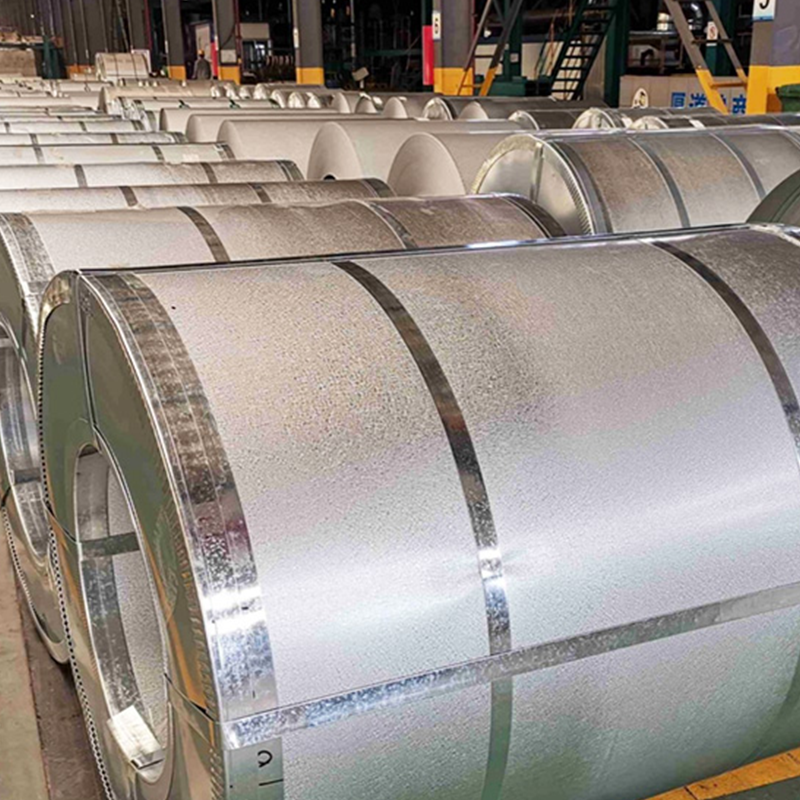
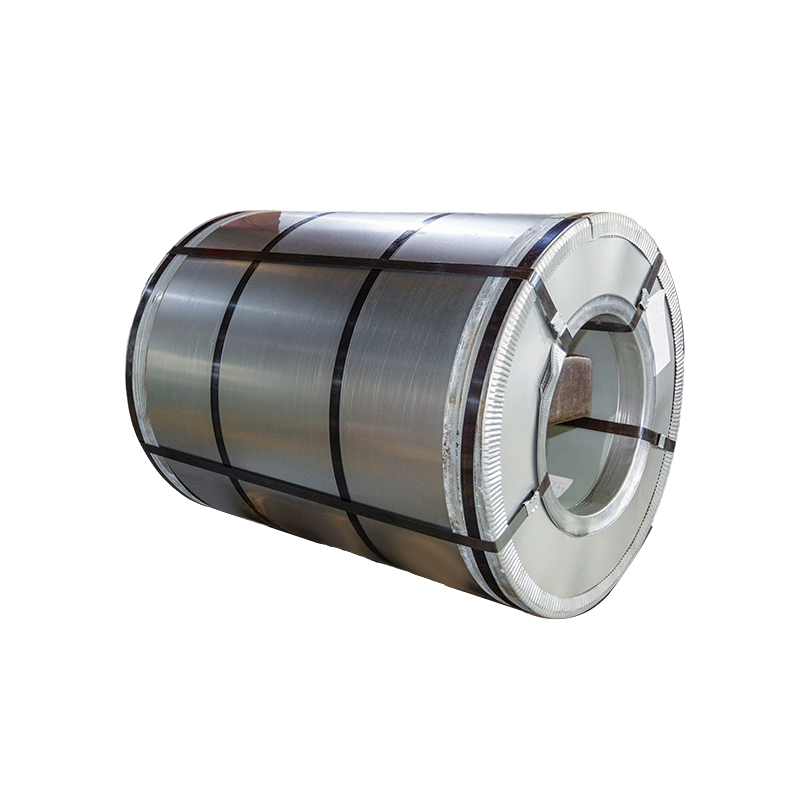
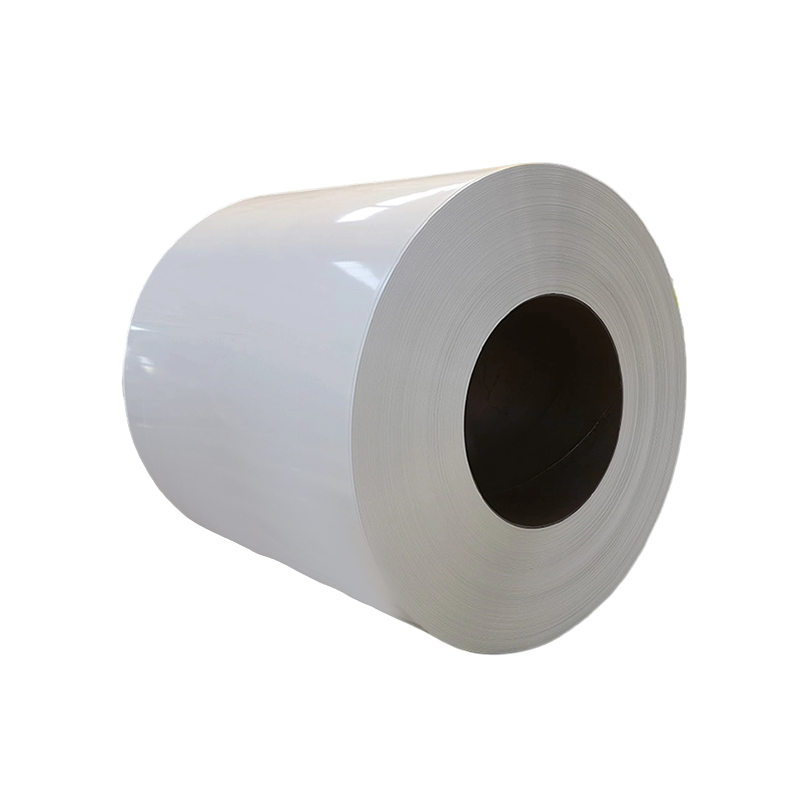
Pre-painted steel coil is manufactured by applying multiple layers of coatings onto premium cold-rolled steel, galvanized steel, or galvalume steel through a continuous coating and curing process. It combines the strength of steel with outstanding corrosion resistance, decorative appearance, and excellent formability. Today, it is extensively used for roofing systems, wall cladding, industrial buildings, commercial projects, warehouses, and various construction applications.
As a professional manufacturer of color-coated steel coils, Zhejiang Aoguan Thin Steel Technology Co., Ltd. specializes in the production and sales of PPGI and PPGL products. Through integrated manufacturing and direct sales, the company provides reliable, high-quality pre-painted steel coil solutions for customers worldwide.
What Is Pre-Painted Steel Coil for Building Materials?
Pre-Painted Steel Coil for Building Materials, also known as color-coated steel coil, is a premium steel product produced by coating galvanized or galvalume steel with high-performance paint systems. The finished product combines protective and decorative properties, making it ideal for modern construction projects.
Depending on the substrate, pre-painted steel coils are generally classified into two major categories.
PPGI (Pre-Painted Galvanized Steel Coil)
PPGI uses galvanized steel as the base material. The zinc coating provides primary corrosion protection, while the organic paint layers further enhance durability and visual appearance. It is suitable for a wide range of construction environments.
PPGL (Pre-Painted Galvalume Steel Coil)
PPGL is manufactured using galvalume steel substrates coated with aluminum-zinc alloy. Compared with conventional galvanized steel, PPGL generally offers superior corrosion resistance, better heat resistance, and a longer service life, making it an excellent choice for demanding construction projects.
With various coating systems, surface finishes, and color options, pre-painted steel coils can satisfy both functional and architectural design requirements.
Why Is the Construction Industry Paying More Attention to Pre-Painted Steel Coil?
Outstanding Corrosion Resistance Extends Building Service Life
Building materials remain exposed to rain, humidity, ultraviolet radiation, temperature fluctuations, and other environmental conditions throughout their service life. Without sufficient protection, conventional steel may gradually corrode, affecting both structural integrity and appearance.
Pre-painted steel coils feature multiple protective layers, including metallic coatings, chemical pretreatment, primer coatings, and top coatings. These layers work together to isolate the steel substrate from harsh environments and significantly improve durability.
Especially in coastal regions, humid climates, and industrial environments, high-quality PPGI and PPGL products help reduce maintenance costs while extending the lifespan of buildings.
Wide Color Selection Supports Modern Architectural Design
Modern architecture demands not only structural performance but also attractive visual appeal. Unlike conventional steel, pre-painted steel coils are available in a broad range of colors, gloss levels, and surface finishes.
Whether used for industrial plants, commercial buildings, residential projects, or public facilities, color-coated steel coils provide architects with greater design flexibility and enhance the overall appearance of buildings.
Zhejiang Aoguan Thin Steel Technology Co., Ltd. manufactures color-coated steel coils with excellent color consistency and attractive surface finishes, enabling customers to create more competitive and visually appealing building products.
What Are the Main Applications of Pre-Painted Steel Coil in Construction?
Roofing Systems
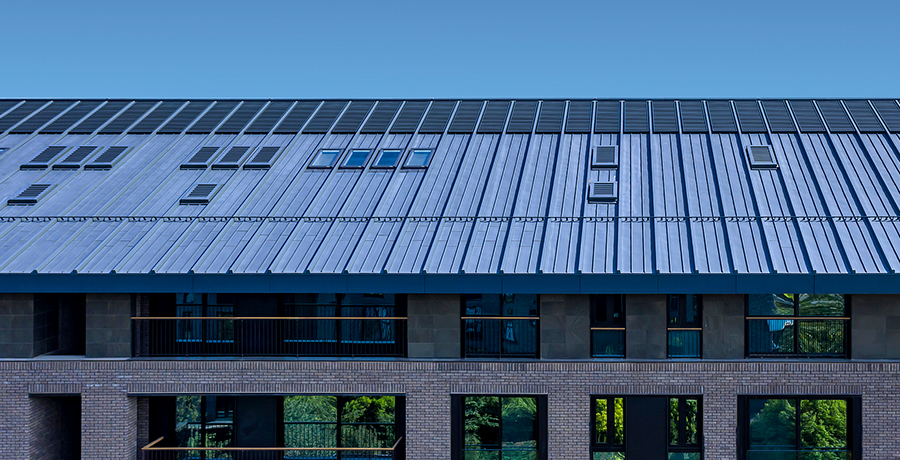
Roofing systems are constantly exposed to harsh outdoor conditions and therefore require materials with excellent weather resistance and long-term durability.
Pre-painted steel coils are widely used in:
- Industrial factory roofs
- Warehouse roofing systems
- Commercial building roofs
- Agricultural facility roofing
Compared with traditional roofing materials, color-coated steel coils are lightweight, easy to install, and capable of maintaining their appearance for many years.
Wall Cladding and Building Envelopes
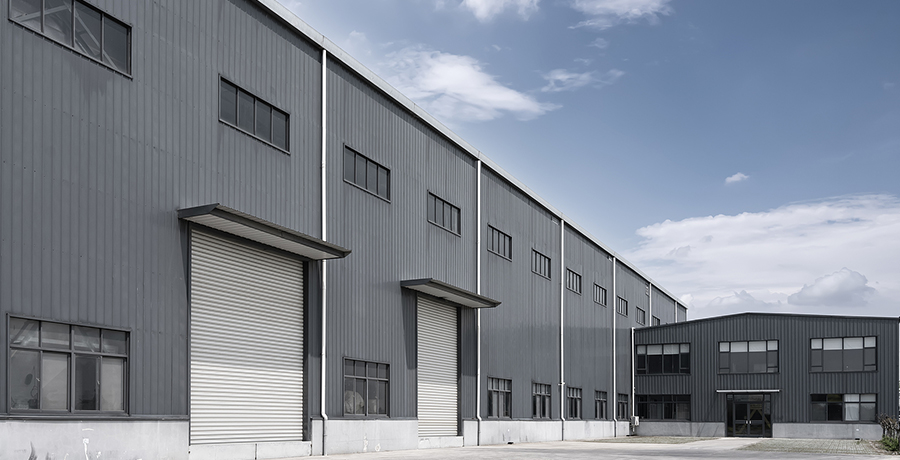
Metal cladding systems have become increasingly popular in modern architecture, and pre-painted steel coils serve as one of their primary materials.
They can be processed into:
- Sandwich panels
- Metal wall panels
- Exterior façade panels
- Curtain wall components
These products improve building performance while providing modern and aesthetically pleasing architectural designs.
Industrial Buildings and Large Facilities
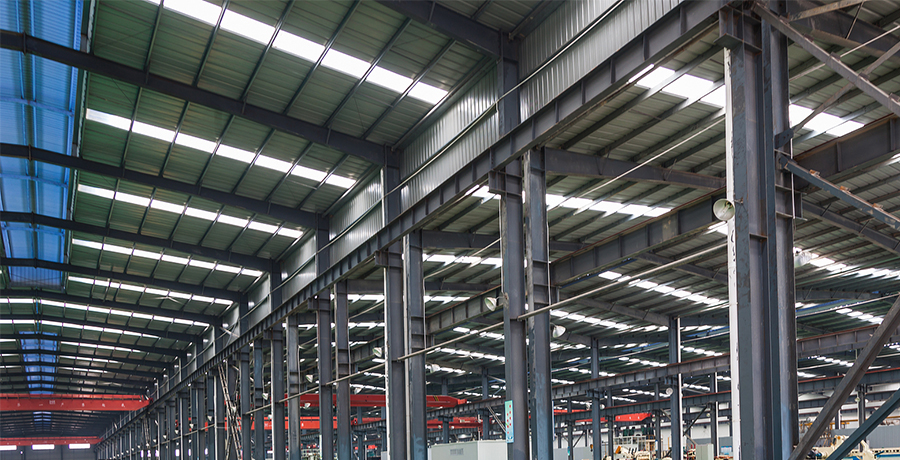
Factories, logistics centers, warehouses, and large industrial facilities require building materials that combine durability, cost efficiency, and rapid installation.
Thanks to standardized manufacturing and excellent processing performance, pre-painted steel coils can be fabricated into various building components, improving construction efficiency and reducing installation time.
What Should You Consider When Selecting High-Quality Pre-Painted Steel Coil?
Substrate Quality Determines Overall Performance
The quality of the steel substrate directly influences the strength, durability, and service life of pre-painted steel coils. Steel thickness, coating weight, and mechanical properties all play important roles in determining product performance.
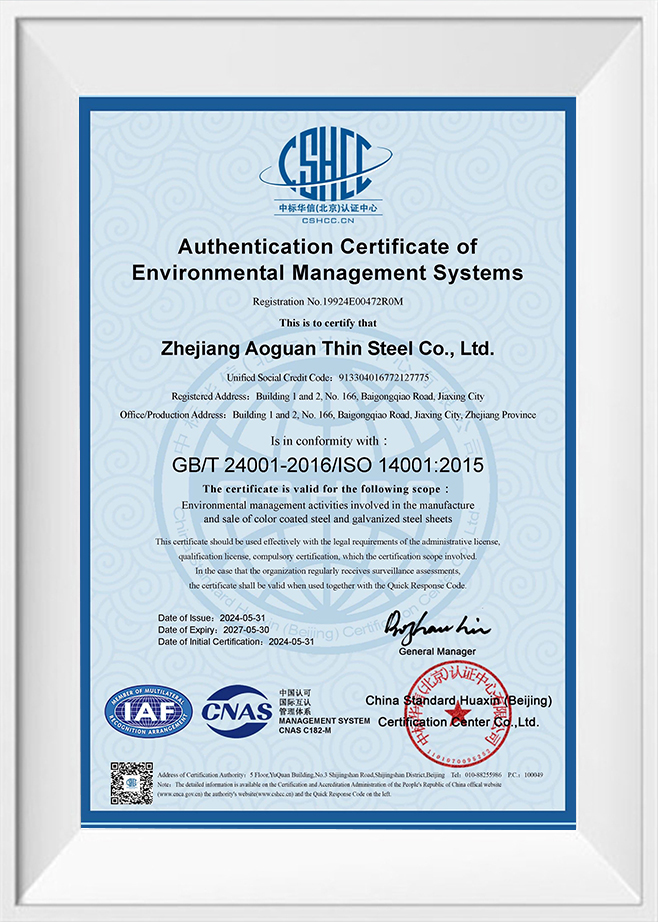
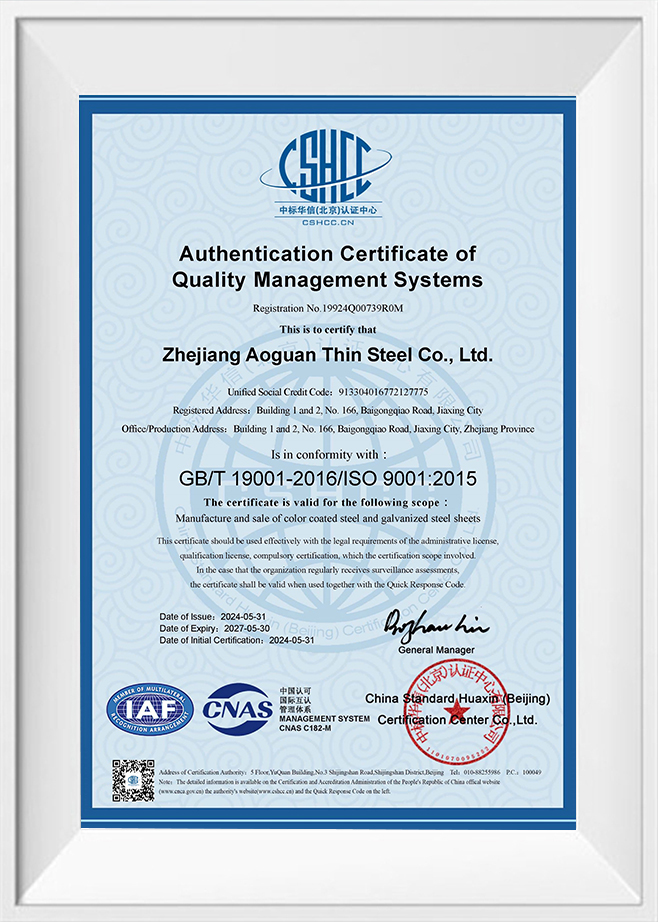
Professional manufacturers implement strict quality control procedures throughout the production process, from raw material selection to final inspection, ensuring consistent product quality.
Coating Technology Affects Weather Resistance and Appearance
The coating system determines not only the product's color but also its resistance to ultraviolet radiation, chemicals, and weathering.
Different construction environments require different coating systems to achieve the optimal balance between durability and aesthetics.
Reliable Supply Capacity Supports Project Delivery
Large-scale construction projects require stable product quality and dependable supply schedules. Therefore, manufacturing capacity and supply chain management are important factors when choosing a supplier.
Zhejiang Aoguan Thin Steel Technology Co., Ltd. operates its headquarters in Chuansha, Shanghai, with manufacturing facilities located in Zhejiang, Jiangsu, and Anhui. This integrated production network enables efficient manufacturing, consistent quality control, and reliable global supply.
The company specializes in the production and sales of PPGI and PPGL through an integrated manufacturing model that improves quality management while reducing unnecessary distribution steps. Its products are widely supplied to Southeast Asia, Africa, the Middle East, South America, and many other international markets.
How Does Zhejiang Aoguan Thin Steel Technology Co., Ltd. Create Value for Customers?
In today's increasingly competitive construction materials market, customers seek suppliers that can consistently deliver quality products, stable supply, and professional services.
Zhejiang Aoguan Thin Steel Technology Co., Ltd. has established itself as a trusted manufacturer of pre-painted steel coils by combining advanced manufacturing capabilities with extensive international market experience.
The company's competitive advantages include:
Specialized Manufacturing Expertise: Focusing on PPGI and PPGL production, the company continuously improves manufacturing technologies to ensure consistent product quality.
Integrated Manufacturing Network: With headquarters in Shanghai and production facilities across Zhejiang, Jiangsu, and Anhui, the company maintains efficient manufacturing operations and dependable global supply capabilities.
Extensive International Experience: Products are exported to Southeast Asia, Africa, the Middle East, South America, and other global markets, serving customers with diverse project requirements.
Diverse Product Portfolio: A wide selection of colors, specifications, and surface finishes allows customers to choose the most suitable solutions for different construction applications.
Committed to quality, innovation, and long-term partnerships, Zhejiang Aoguan Thin Steel Technology Co., Ltd. looks forward to working with customers worldwide to build a stronger and more sustainable future.
FAQ
1. What is Pre-Painted Steel Coil for Building Materials?
Pre-Painted Steel Coil for Building Materials is a steel product coated with protective and decorative paint layers. It combines excellent mechanical strength, corrosion resistance, and attractive appearance, making it widely used for roofing, wall cladding, and building envelope systems.
2. What is the difference between PPGI and PPGL steel coil?
PPGI is manufactured using galvanized steel as the substrate, while PPGL uses galvalume steel with an aluminum-zinc alloy coating. PPGL generally provides better corrosion resistance and heat resistance, making it suitable for more demanding environments.
3. Why is pre-painted steel coil suitable for construction projects?
Pre-painted steel coil offers excellent corrosion resistance, lightweight construction, easy fabrication, long service life, and a wide range of colors and finishes, making it an ideal material for modern architectural applications.
4. Which international markets does Zhejiang Aoguan Thin Steel Technology Co., Ltd. serve?
Zhejiang Aoguan Thin Steel Technology Co., Ltd. supplies high-quality PPGI and PPGL products to customers across Southeast Asia, Africa, the Middle East, South America, and many other global markets.


 English
 Français
 Español
 عربى
عربى