
 English
 Français
 Español
 عربى
عربى

Content
- 1 Understanding Coating Systems
- 2 Coating Chemistry and Performance Fundamentals
- 3 Technical Specifications Comparison
- 4 Application Environments and Coating Selection
- 5 Comparative Analysis: PE vs. SMP vs. HDP vs. PVDF
- 6 Coating Selection Criteria
- 7 Common Coating Specification Errors
- 8 Inspection and Maintenance
- 9 Conclusion
- 10 Frequently Asked Questions
Understanding Coating Systems
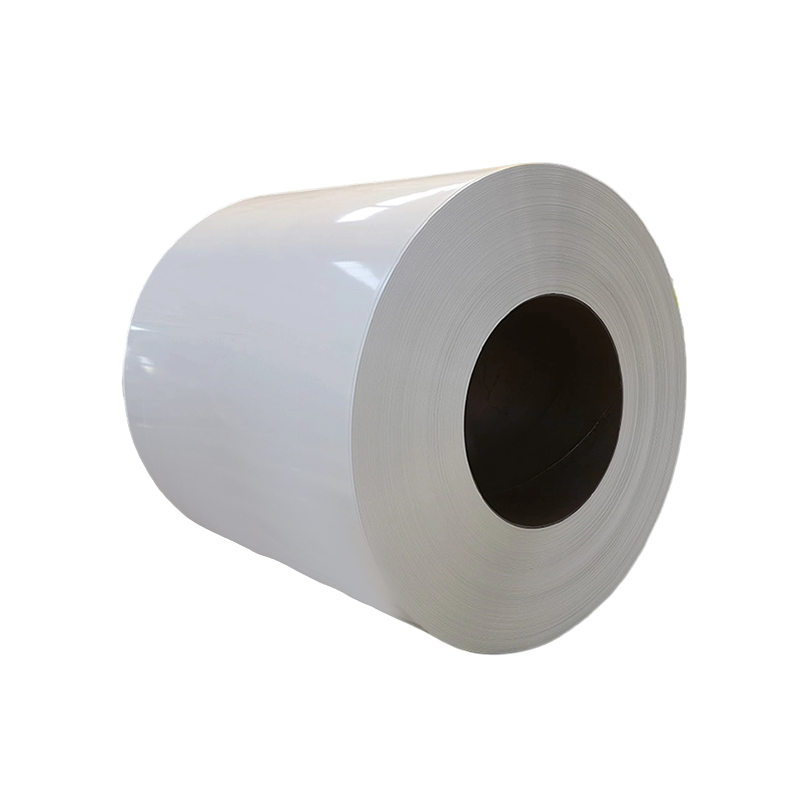
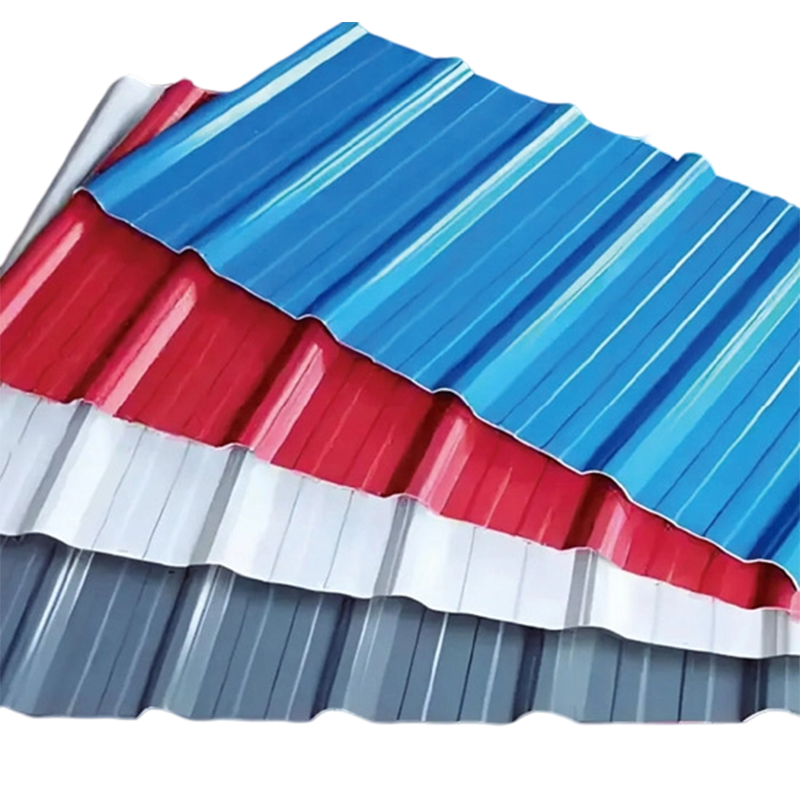
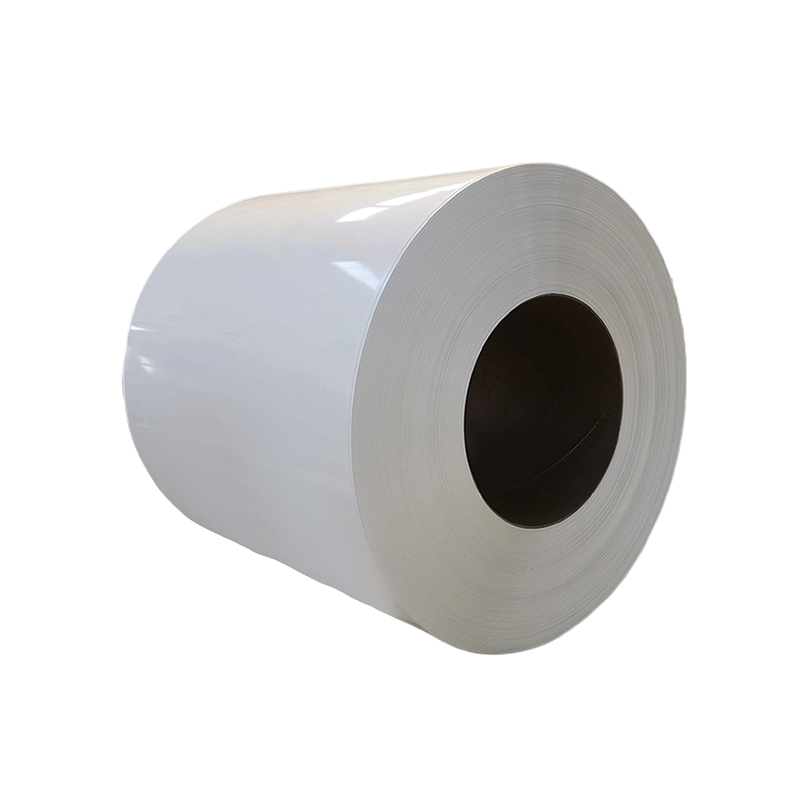
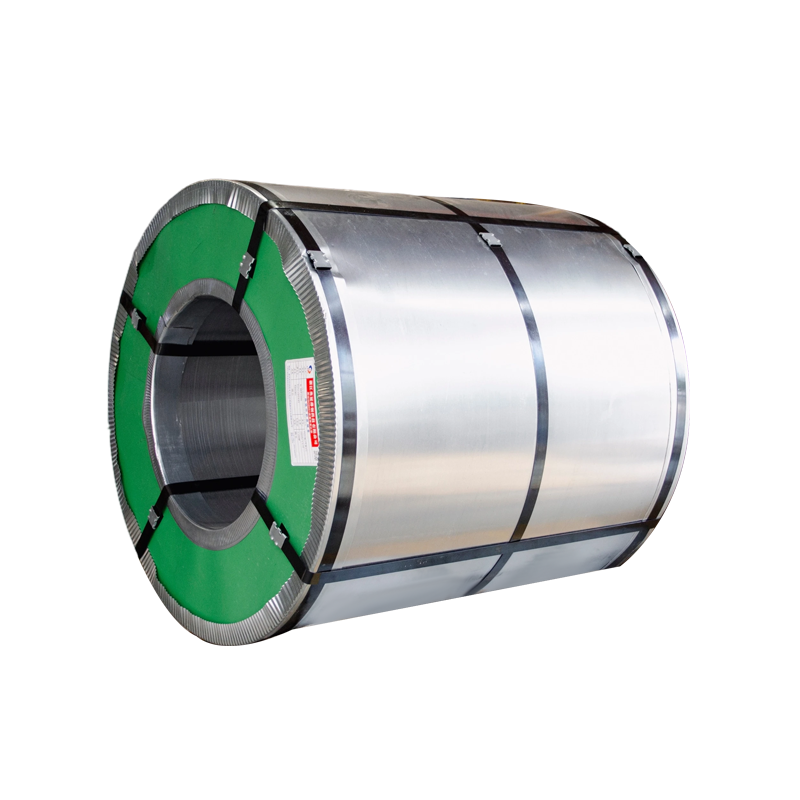
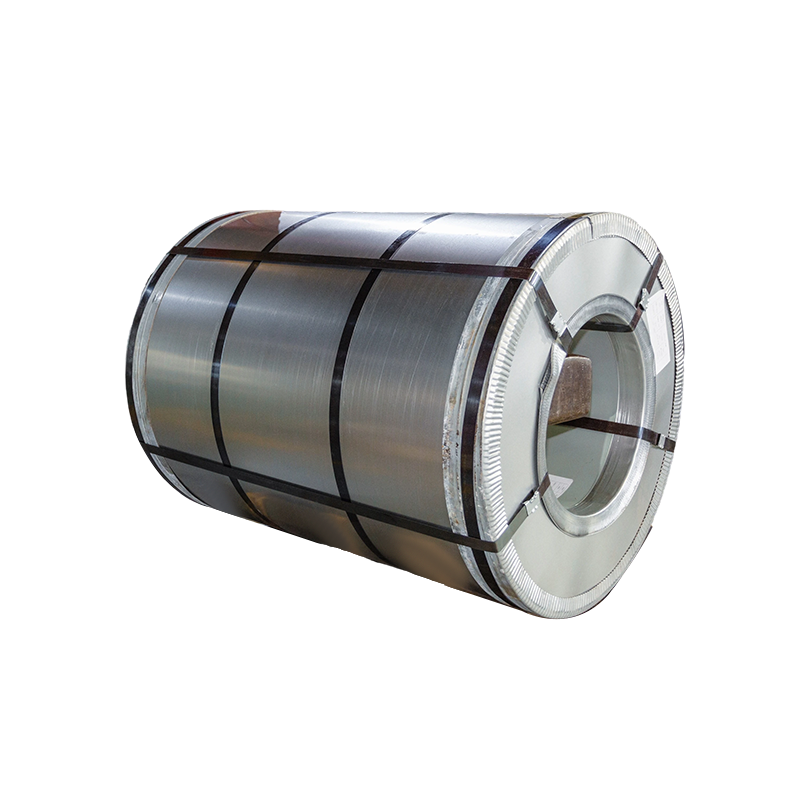
The organic coating applied to a color coated steel coil is far more than a decorative layer — it is the primary defense against UV radiation, moisture, chemical exposure, and mechanical wear. The choice of coating system directly determines the product's service life, color retention, and overall lifecycle cost. This guide provides a comprehensive comparison of the four most common coating types — Polyester (PE), Silicon Modified Polyester (SMP), High Durability Polyester (HDP), and Polyvinylidene Fluoride (PVDF) — helping you select the optimal system for your specific application and environment.
Each coating system represents a different balance of cost, performance, and durability. Understanding these trade-offs is essential for making informed procurement decisions that align with project requirements and budget constraints.
Coating Chemistry and Performance Fundamentals
The performance of each coating system is determined by its underlying polymer chemistry, which affects UV resistance, chemical stability, and mechanical properties.
Polyester (PE)
Standard polyester coatings offer good adhesion and formability at a low cost. The polymer backbone provides adequate protection for indoor and mild outdoor applications but is susceptible to chalking and fading under prolonged UV exposure.
Silicon Modified Polyester (SMP)
SMP incorporates silicone resin into the polyester backbone to improve UV resistance and heat tolerance. The silicon-oxygen bonds provide enhanced durability compared to standard polyester, offering a mid-tier solution for exterior applications.
PVDF (Fluoropolymer)
PVDF contains 70% fluoropolymer resin, with carbon-fluorine bonds that are among the strongest in chemistry. This provides exceptional UV resistance, chemical stability, and color retention — the gold standard for premium architectural applications.
Technical Specifications Comparison
The following table provides a detailed comparison of key performance metrics for each coating system, enabling direct evaluation based on project requirements.
| Parameter | PE (Polyester) | SMP | HDP | PVDF |
|---|---|---|---|---|
| Service Life | 7-8 years | 10-12 years | 10-15 years | 20-25+ years |
| UV Resistance | Moderate | Good | Very Good | Excellent |
| Color Retention | Moderate | Good | Very Good | Excellent |
| Chalking Resistance | Low | Moderate | Good | Excellent |
| Heat Resistance | ~120°C | ~200°C | ~200°C | ~315°C |
| Formability | Excellent | Good | Very Good | Good |
| Scratch Resistance | Moderate | Excellent | Very Good | Good |
| Relative Cost | Lowest | Medium | Medium-High | Highest |
Application Environments and Coating Selection
Each coating system is optimized for specific environmental conditions and performance requirements. Matching the coating to the application is essential for achieving optimal service life.
- Interior PE coatings are suitable for indoor applications such as ceiling panels, partition walls, and interior decor where UV exposure is minimal and cost is a primary consideration.
- General Exterior SMP coatings provide enhanced weather resistance for standard exterior applications in urban or suburban environments with moderate UV exposure.
- High UV HDP coatings offer superior UV resistance for regions with intense sunlight, high temperatures, and high humidity, providing 60-80% of PVDF performance at a lower cost.
- Coastal/Industrial PVDF coatings are essential for coastal regions, highly polluted areas, and extreme environments where salt spray, chemical exposure, and intense UV require maximum protection.
- Premium Architectural PVDF is the preferred choice for landmark buildings, stadiums, skyscrapers, and projects where color stability and long-term aesthetics are critical.
Comparative Analysis: PE vs. SMP vs. HDP vs. PVDF
The selection between coating systems involves trade-offs across multiple performance dimensions. The following comparison provides a structured basis for evaluation.
| Characteristic | PE | SMP | HDP | PVDF |
|---|---|---|---|---|
| Initial Cost | Lowest | Medium | Medium-High | Highest |
| UV Resistance | Moderate | Good | Very Good | Excellent |
| Color Retention | 3-5 years | 5-7 years | 7-10 years | 15-20+ years |
| Chalking Resistance | Poor | Moderate | Good | Excellent |
| Chemical Resistance | Moderate | Good | Good | Excellent |
| Scratch Resistance | Moderate | Excellent | Very Good | Good |
| Formability | Excellent | Good | Very Good | Good |
| Lifecycle Cost | High | Medium | Medium-Low | Lowest |
| Best Application | Interior | General Exterior | High UV | Coastal/Industrial |
Coating Selection Criteria
Determining the appropriate coating system requires systematic evaluation of project parameters and performance requirements.
- Climate Hot, sunny regions with intense UV exposure require HDP or PVDF. Temperate regions may be adequately served by PE or SMP. Coastal or industrial areas demand PVDF for maximum protection.
- Design Life For structures expected to last 20 years or more, PVDF or HDP provide the best long-term value. For 10-year temporary structures, PE or SMP offer acceptable performance at lower cost.
- Formability Projects requiring deep drawing or complex bending benefit from PE's excellent formability. PVDF and SMP have good formability but may require more careful handling.
- Aesthetic Standards Brand-critical buildings and landmark projects benefit from PVDF's superior color retention and resistance to chalking and fading.
- Budget PE offers the lowest initial cost. SMP provides a mid-tier solution. PVDF represents a higher initial investment but offers the lowest lifecycle cost through reduced maintenance and replacement frequency.
Common Coating Specification Errors
Awareness of recurring errors enables proactive prevention and optimal coating selection.
- Under-Specification Specifying PE for coastal or high-UV environments leads to premature chalking, fading, and coating failure. Higher-performance coatings are essential for demanding conditions.
- Over-Specification Specifying PVDF for interior applications adds unnecessary cost without performance benefit. PE provides adequate protection for indoor use.
- Ignoring Formability Selecting PVDF or SMP for applications requiring complex bending may result in coating cracking. PE's superior formability is better suited for deep drawing.
- Thickness Underestimation Specifying insufficient coating thickness (less than 20μm front coating) compromises corrosion resistance and reduces service life regardless of coating type.
Inspection and Maintenance
A systematic maintenance program preserves the protective performance of color coated steel coils across their service life.
- Regular Cleaning Clean surfaces with warm water and mild detergent to remove dirt, salt deposits, and contaminants that could accelerate coating degradation. Avoid strong acids, alkalis, or organic solvents.
- Visual Inspection Periodically examine surfaces for chalking, fading, scratches, or coating damage that could compromise corrosion protection.
- Edge Protection Pay particular attention to cut edges and drilled holes where coating damage is most likely to occur. Apply touch-up paint to exposed steel edges promptly.
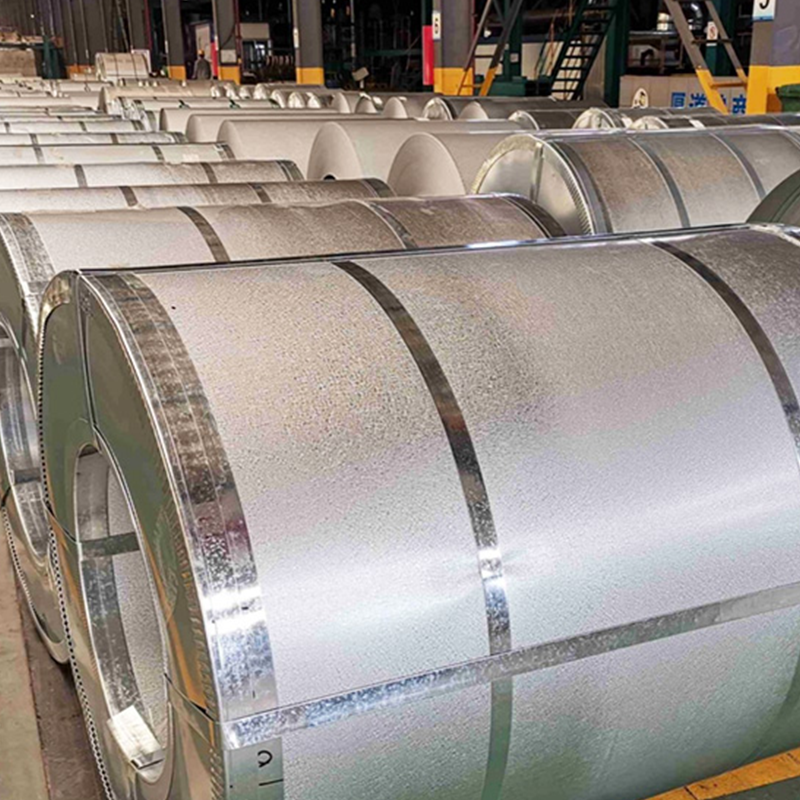
- Storage Conditions Store coils in dry, ventilated indoor environments with humidity below 60% and temperature between 5°C and 35°C. Avoid direct sunlight and rain exposure.
- Handling Care Use soft straps and protective materials during handling to prevent scratches. Avoid stacking coils too high to prevent deformation.
Conclusion
The selection of coating systems for color coated steel coils is a decision that directly impacts project durability, aesthetics, and total cost of ownership. PE coatings offer cost-effective protection for interior applications. SMP provides enhanced weather resistance for general exterior use at a moderate price point. HDP delivers 60-80% of PVDF performance for high-UV environments at a competitive cost. PVDF remains the gold standard for premium architectural applications, offering 20-25+ years of service life with exceptional color retention and resistance to chalking and fading.
When specified correctly, color coated steel coils provide decades of reliable service. The key is to match the coating system to the environment: PVDF for coastal, industrial, or extreme conditions; HDP for high-UV inland areas; SMP for standard exterior applications; PE for interior or mild environments. Understanding these fundamental distinctions ensures optimal performance and value for every building project.
Frequently Asked Questions
PE (Polyester) is the standard coating with 7-8 years service life. SMP (Silicon Modified Polyester) offers improved UV resistance with 10-12 years service life. HDP (High Durability Polyester) delivers 10-15 years with 60-80% of PVDF performance. PVDF (Fluoropolymer) is the premium coating with 20-25+ years service life, exceptional color retention, and resistance to chalking and fading.
PVDF (Polyvinylidene Fluoride) is the recommended coating for coastal and industrial environments. Its 70% fluoropolymer content provides exceptional resistance to salt spray, UV radiation, and chemical exposure, delivering 20-25+ years of service life in aggressive conditions.
Coating thickness directly impacts corrosion resistance and service life. For exterior applications, the front coating thickness should be ≥20μm (primer ≥5μm, topcoat ≥15μm). Insufficient thickness allows corrosive media to penetrate, leading to under-film corrosion, blistering, and premature coating failure.
PVDF is worth the extra cost for coastal, industrial, and premium architectural projects where long-term durability and color stability are critical. For interior or mild inland applications, PE or SMP may offer sufficient protection at a lower cost. The lifecycle cost of PVDF is often lower due to reduced maintenance and replacement frequency.
Regular maintenance includes cleaning with warm water and mild detergent to remove contaminants, visual inspection for scratches or coating damage, prompt touch-up of exposed edges, and proper storage in dry, ventilated conditions. Avoid contact with strong acids, alkalis, or organic solvents.
Price variations reflect differences in coating type, substrate thickness, zinc coating weight, and manufacturing quality. PVDF-coated coils cost significantly more than PE due to the premium resin. Actual thickness often differs from nominal thickness, and zinc coating weight varies from 40 g/m² to 275 g/m², all affecting final price and performance.
Store color coated steel coils in dry, ventilated indoor environments with humidity below 60% and temperature between 5°C and 35°C. The storage ground should be flat and free of sharp objects. Avoid direct sunlight, rain exposure, and stacking coils too high to prevent deformation and surface damage.
Mixing products from different manufacturers or batches is strongly discouraged. While color may appear identical initially, different coating systems have different color change trends under UV exposure, resulting in noticeable color differences after several years. For the same project, order all required material from a single source.