Zinc vs. Zinc-Aluminum: Two Different Corrosion Mechanisms, Not Just Two Coating Weights
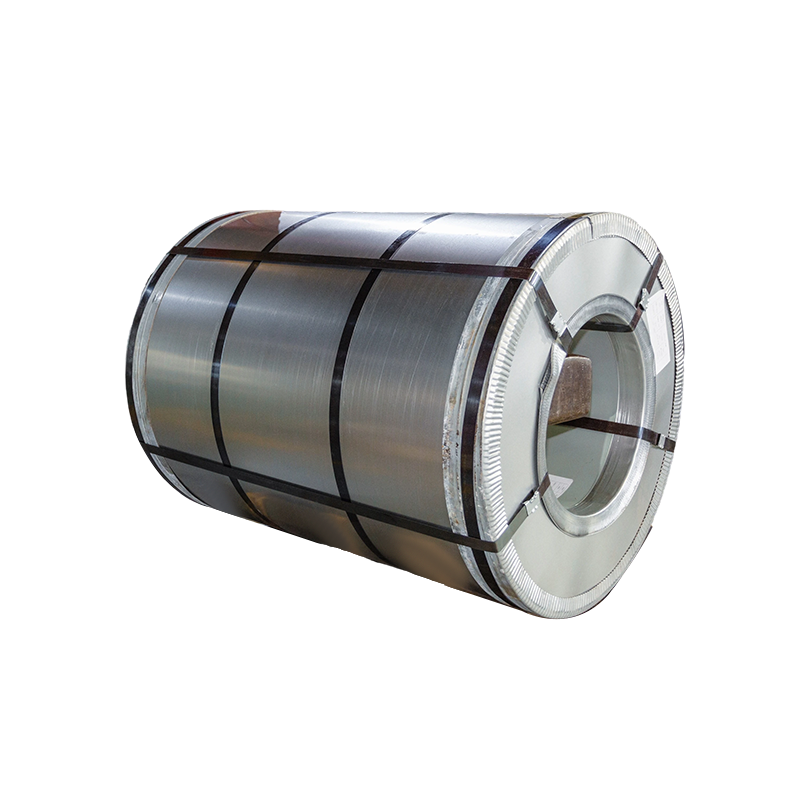
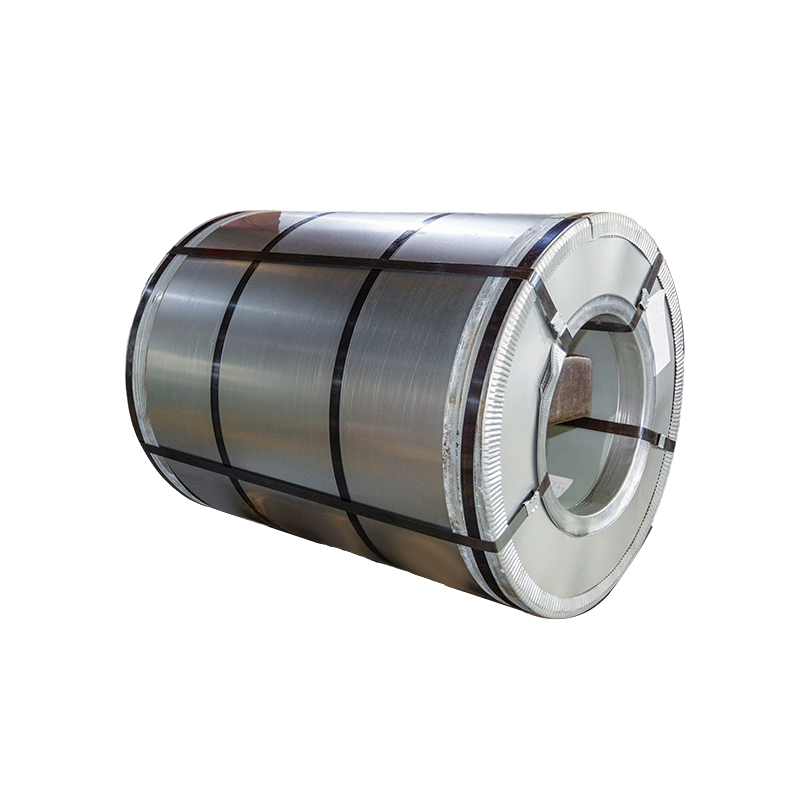
Galvanized (GI) and Galvalume (GL) substrates protect steel through fundamentally different chemistry, and treating them as interchangeable options that differ only in price misses why one consistently outperforms the other in specific environments. Pure zinc coating on GI protects sacrificially: zinc corrodes preferentially to the base steel, meaning it actively gives itself up to shield exposed steel even at cut edges or scratches, which is a real structural advantage in mildly corrosive environments. But zinc's own corrosion rate accelerates significantly in humid, coastal, or industrial-pollutant environments, depleting the sacrificial layer faster than the same coating would wear in a dry inland climate.
Galvalume's aluminum-zinc alloy layer, typically around 55% aluminum, works differently. The aluminum content forms a stable, adherent oxide barrier that resists corrosion through a barrier mechanism rather than a purely sacrificial one, giving it markedly better general corrosion resistance in humid and coastal conditions. The tradeoff is that Galvalume's cut-edge protection is weaker than GI's, since aluminum doesn't migrate to protect exposed steel edges the way zinc does, which is why edge sealing or edge coating becomes more important on GL substrates used in applications with a lot of cut or sheared edges.
Coating Mass Determines Service Life Far More Than Most Buyers Account For
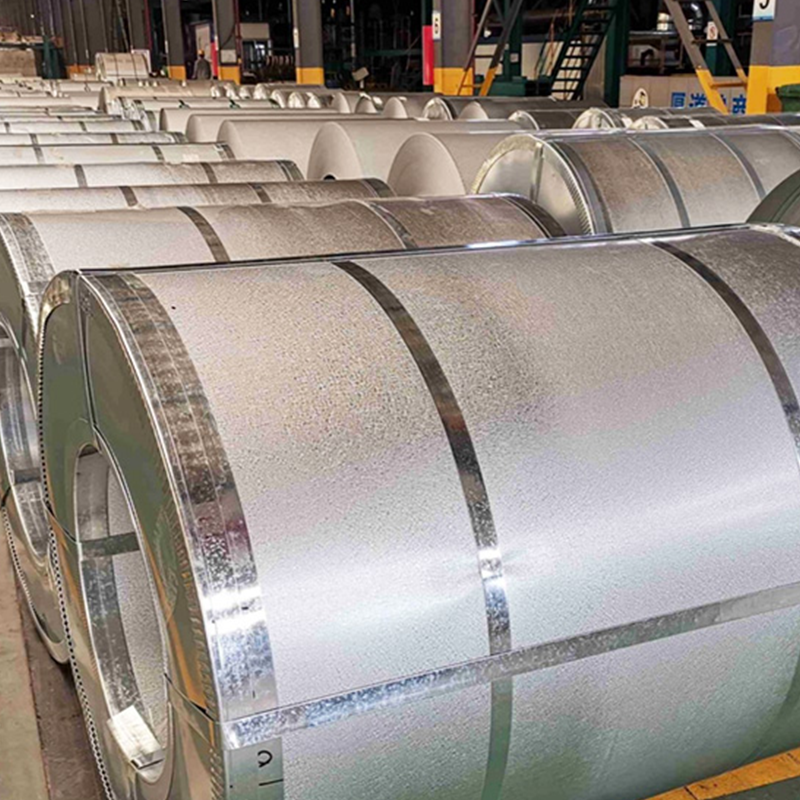
Coating mass, measured in grams per square meter across both sides combined, is the single biggest variable controlling how long a substrate resists corrosion before base steel becomes exposed, yet it's frequently treated as a secondary spec compared to gauge thickness or substrate grade. Doubling coating mass roughly doubles the time before coating failure under a given exposure condition, since the corrosion process consumes the protective layer at a fairly predictable rate for a given environment. This is a straightforward, almost linear relationship that makes coating mass one of the most cost-effective levers available for extending a coil's service life without changing gauge or substrate grade.
Standard Coating Mass
Adequate for general construction and light industrial use in moderate climate zones.
High Zinc Coating Mass
Extends service life significantly in coastal, high-humidity, or industrial-pollutant environments.
Cut-Edge Exposure
Sheared or drilled edges lose coating protection locally and corrode faster than flat surfaces.
Coating Uniformity
Inconsistent coating thickness across coil width creates weak points that fail before the average rating predicts.
Uniformity across the coil matters as much as the average coating mass number on a spec sheet. A coil with an average coating weight that meets specification can still have localized thin spots from uneven line speed or bath temperature during hot-dip coating, and those thin spots become the actual point of premature failure rather than the average value ever being tested in the field.
Choosing the Right Substrate for Steel Structures, Automotive, and Storage Applications
Steel structure applications, purlins, framing members, and structural panels, generally favor higher coating mass Galvanized or Galvalume substrates because these components are expected to remain in service for decades with minimal maintenance access, making early coating failure far costlier to remediate than the incremental cost of specifying heavier coating upfront. Automotive applications lean toward Galvalume in many cases for its superior general corrosion resistance and better paint adhesion characteristics on the exposed body panels and structural components that see the most environmental exposure over a vehicle's service life.
Storage and warehousing structures introduce a different consideration entirely: condensation cycling inside enclosed storage environments can create localized corrosive conditions that differ substantially from outdoor atmospheric exposure, meaning a substrate rated well for general outdoor weathering isn't automatically the right choice for an enclosed, humidity-cycling storage environment. Matching substrate type and coating mass to the specific corrosive mechanism a project will actually face, rather than defaulting to whichever option is more familiar, is what separates a specification that performs for decades from one that requires early remediation.
Why Substrate Quality Sets the Ceiling for Everything Built on Top of It
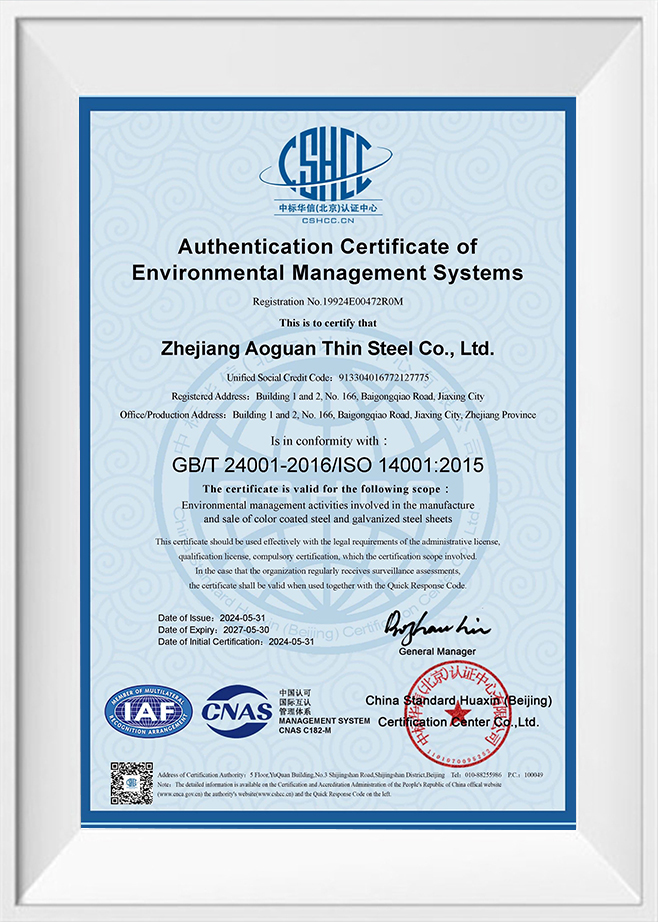
For projects that will apply paint or color coating on top of a galvanized or Galvalume base, substrate quality isn't a separate consideration from the finished coated product, it's the foundation the entire coating system depends on. Uneven coating mass, surface contamination, or poor coil flatness at the substrate stage will telegraph through to the finished color-coated product as adhesion problems or premature coating failure, regardless of how good the paint system applied on top is. Zhejiang Aoguan Thin Steel Technology controls substrate quality at this stage specifically because it determines the performance ceiling for every downstream product, whether a coil ships as bare substrate or continues on to color coating within the same integrated production process.
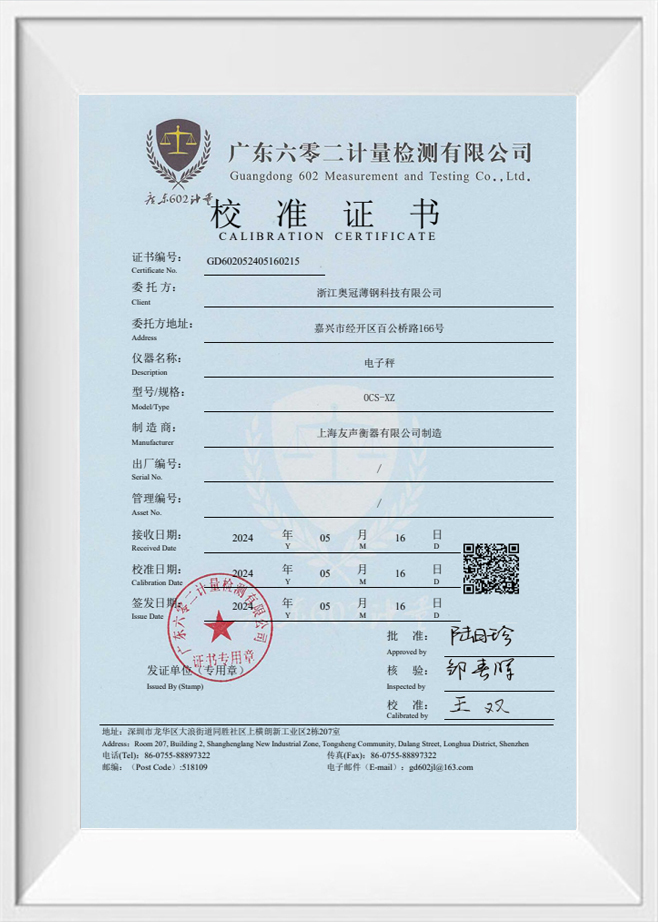
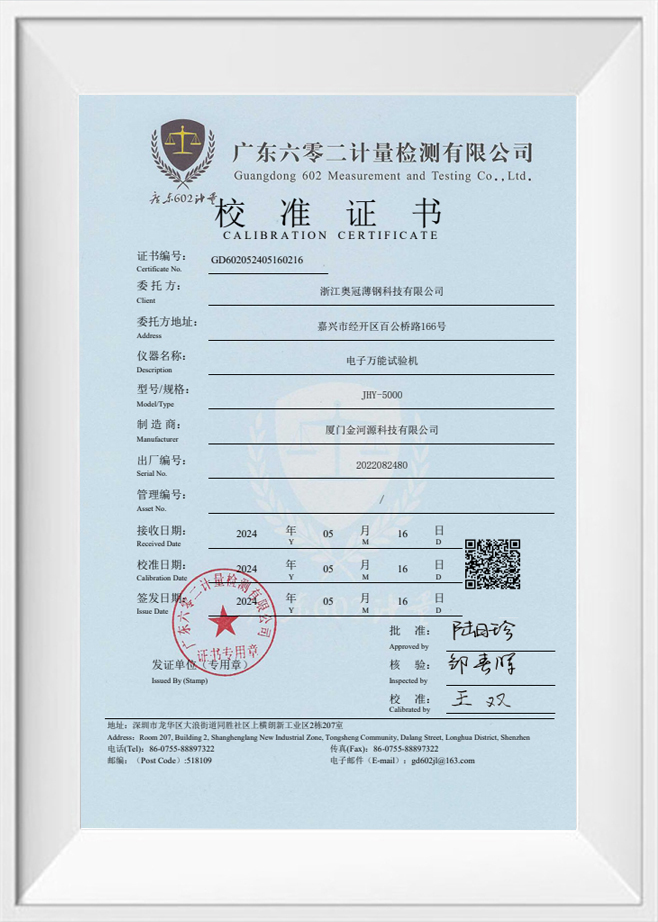
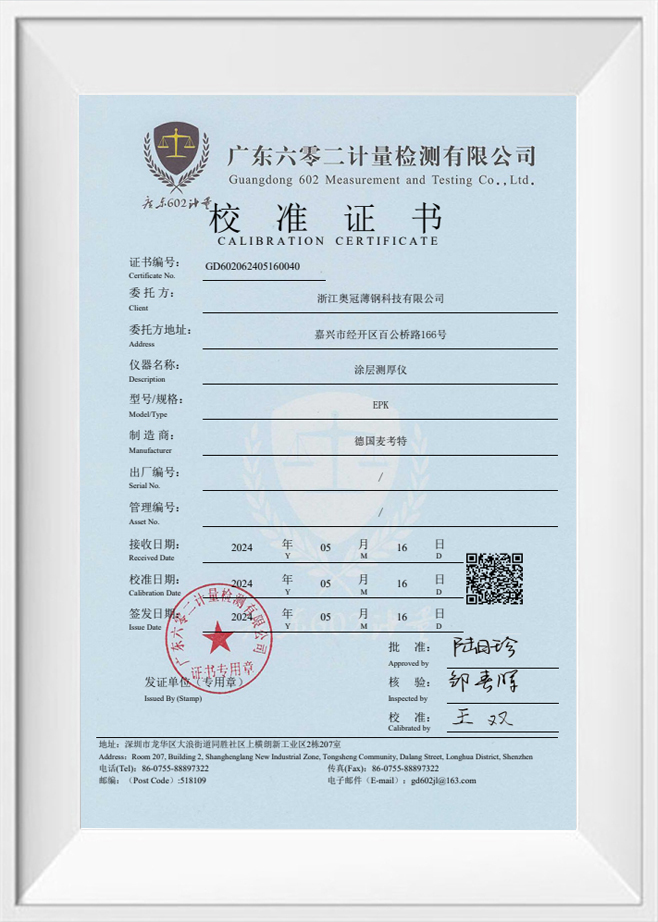
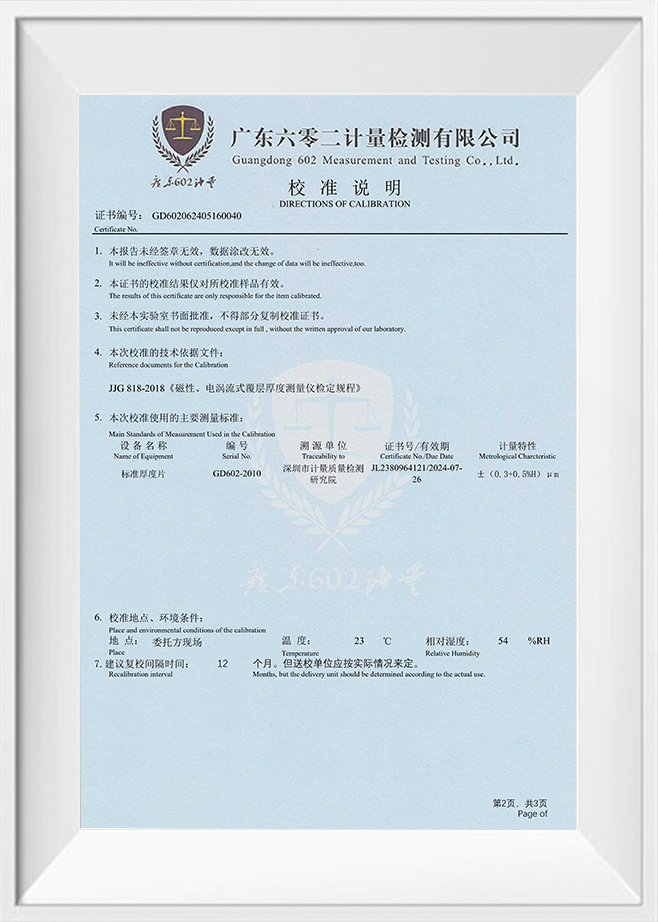
Buyers evaluating Galvanized Steel Coils or Galvalume Steel Coils for direct use, rather than as a base for further coating, should request coating mass test data specific to their order rather than relying on a general product datasheet, since the actual coating mass and its uniformity across a given production run are what determine real-world service life in their specific application environment.


 English
 Français
 Español
 عربى
عربى