How is the printing and embossing process applied to metal coils?
Metal coils have evolved from simple protective construction materials into multifunctional products that combine durability, aesthetics, and customized design possibilities. Through advanced surface treatment technologies, traditional coated steel coils can be transformed into decorative materials with realistic patterns and three-dimensional textures. printed & embossed coils are developed by applying printing technology, embossing processes, or a combination of both to coated steel surfaces, creating products that meet the requirements of modern architecture, interior decoration, and industrial applications.
The printing and embossing process involves multiple stages, including substrate preparation, coating application, pattern transfer, texture forming, and quality inspection. These processes allow manufacturers to produce surfaces that imitate natural materials such as wood, stone, leather, and textiles while maintaining the corrosion resistance and mechanical strength of coated steel. Aoguan Thin Steel Group specializes in customized PPGI and PPGL production, providing advanced surface processing capabilities for customers requiring decorative and functional coated steel products.
1. Printed Color Coated Coils: High-Precision Decorative Pattern Technology
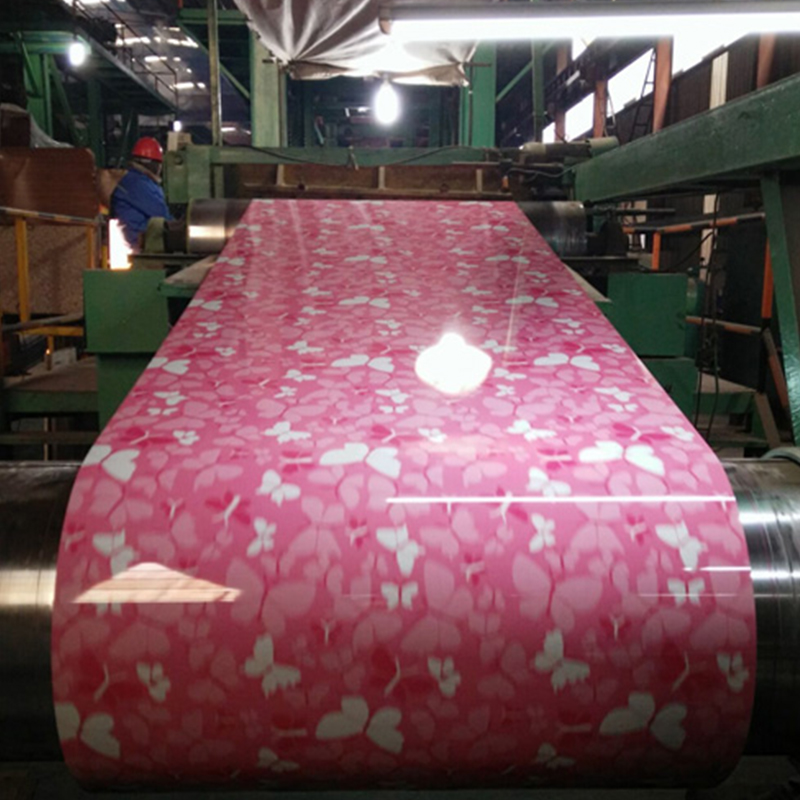
Printed color coated coils are manufactured by applying digital printing or roller coating transfer technology onto coated steel substrates. This process reproduces detailed patterns with high accuracy, allowing metal surfaces to achieve realistic appearances similar to natural materials. As one important category of printed & embossed coils, printed coils focus on visual customization and design flexibility rather than physical surface depth.
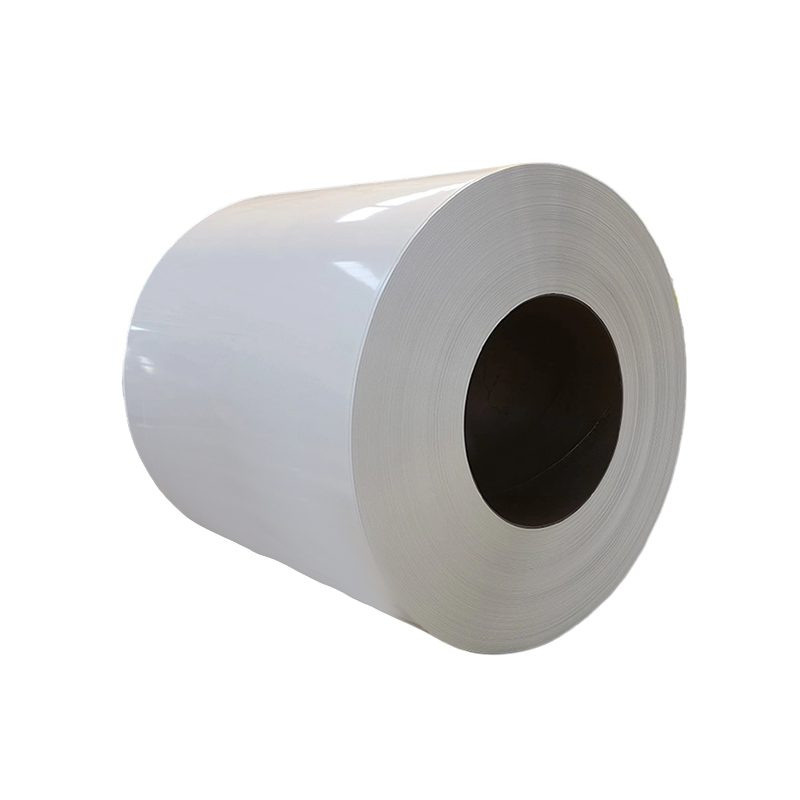
The production process usually begins with galvanized steel or galvalume steel substrates. After surface treatment and primer coating, a decorative print layer is applied, followed by a protective topcoat. The coating system can use polyester, high durability polyester, silicone modified polyester, or PVDF depending on the environmental requirements. The printed layer must maintain strong adhesion, color stability, and resistance against abrasion during processing and installation.
Key Features and Applications of Printed Coils
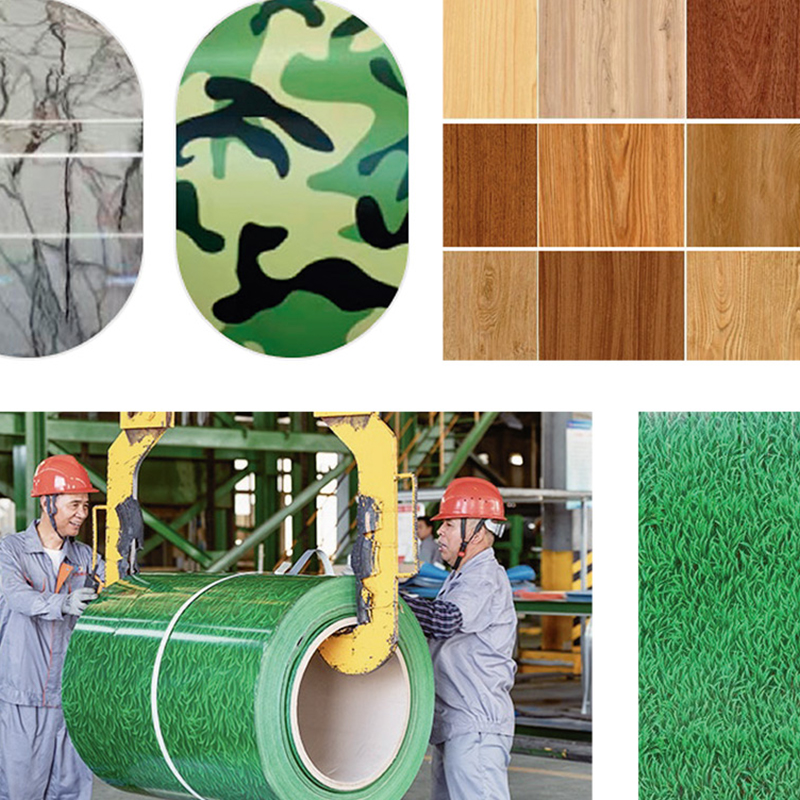
Printed coated sheets provide extensive design possibilities because patterns are not limited to traditional solid colors. Manufacturers can customize appearances according to architectural concepts, furniture styles, or industrial requirements. Common pattern options include:
- Wood grain designs for interior walls, ceilings, and furniture panels.
- Stone patterns for commercial buildings and decorative facades.
- Camouflage and customized graphics for special design projects.
- Abstract and geometric patterns for modern architectural decoration.
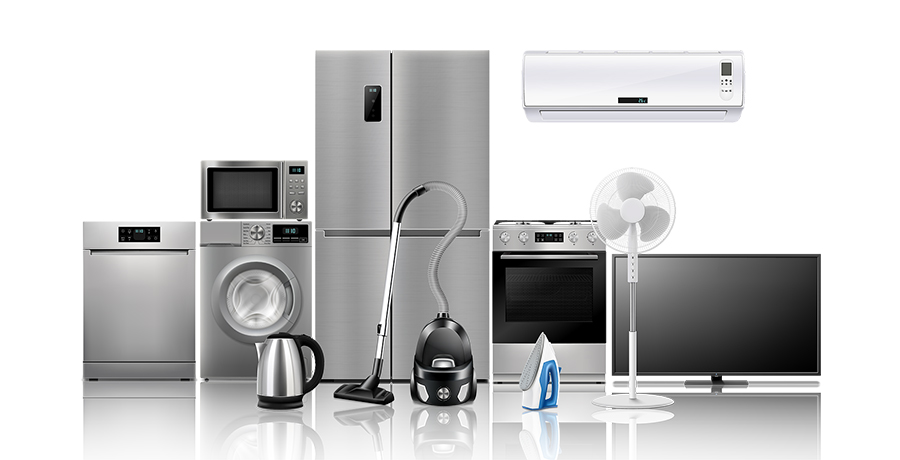
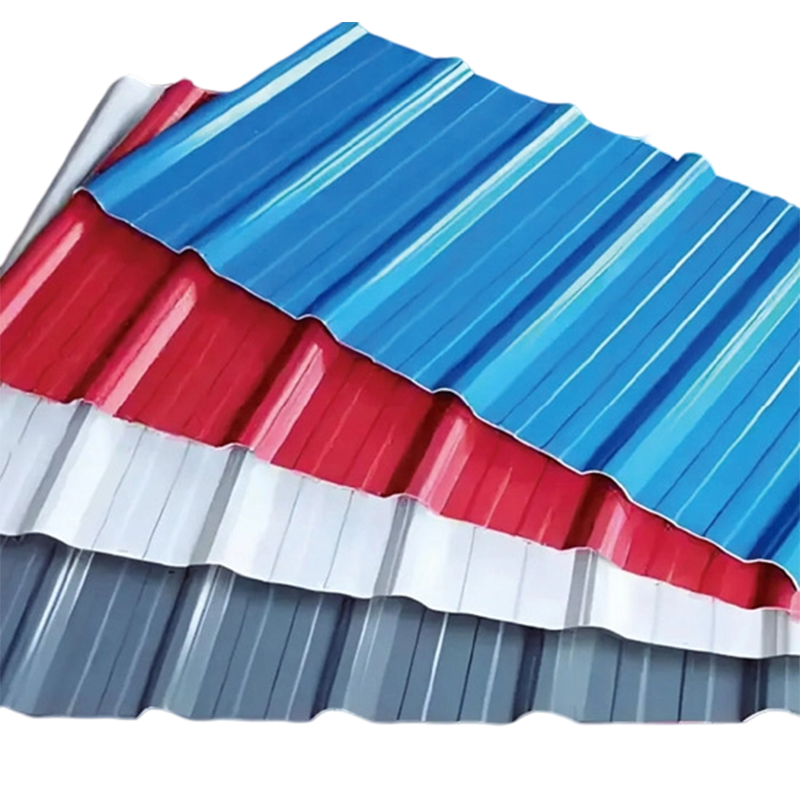
Compared with standard coated coils, printed coils provide stronger decorative performance while preserving the advantages of steel materials. They are widely applied in shopping centers, residential buildings, office spaces, household appliances, and customized furniture manufacturing. Aoguan Thin Steel Group supports customized colors, coating thicknesses, substrate selections, and pattern requirements to help customers achieve consistent visual effects across different projects.
2. Embossed Color Coated Coils: Three-Dimensional Surface Texture Processing
Embossed color coated coils are produced by pressing specially designed embossing rollers onto coated steel surfaces before the coating fully cures. This process creates permanent three-dimensional textures that improve both appearance and tactile experience. Unlike printed products that mainly focus on visual patterns, embossed products emphasize surface depth, structural feeling, and practical performance.
As another major category of printed & embossed coils, embossed coils can effectively hide minor surface imperfections, processing marks, and scratches that may occur during transportation or installation. The embossed structure also improves the visual richness of metal panels, making them suitable for applications where both durability and decorative quality are required.
Embossing Patterns and Performance Advantages
The embossing depth and pattern design directly influence the final appearance and user experience. Typical embossed patterns include orange peel, leather grain, pebble texture, linen texture, and brick patterns. The depth of the texture generally ranges from 10μm to 50μm depending on product requirements.
Important performance characteristics include:
- Surface durability improvement through stronger resistance against visible scratches and wear.
- Enhanced decorative effects through realistic three-dimensional patterns.
- Better surface tolerance by reducing the visibility of minor substrate defects.
- Improved application flexibility for architectural and industrial decoration projects.
Embossed coated sheets are commonly used in interior wall panels, appliance housings, commercial decoration materials, and customized furniture surfaces. For exterior applications, higher durability coating systems such as HDP or PVDF are generally selected to maintain long-term color and texture stability.
3. Combined Printed and Embossed Coils: Integrated Visual and Textural Solutions
Combined printed and embossed coils integrate pattern printing and three-dimensional embossing technologies into one product. This manufacturing approach creates surfaces with both realistic images and physical textures, offering a higher level of customization for projects requiring premium decorative effects.
The manufacturing process requires precise coordination between printing accuracy and embossing alignment. The printed pattern must match the embossed texture position to achieve a natural appearance. These products represent an advanced direction in decorative coated steel development because they combine the artistic advantages of printed surfaces with the functional benefits of embossed structures.
Aoguan Thin Steel Group has developed comprehensive processing capabilities for customized coated steel products, including high zinc coating, fluorocarbon paint, high weather-resistant paint, velvet matte finishes, wrinkle boards, antibacterial coatings, and other surface technologies. With advanced laboratory testing equipment and strict quality control procedures, the company ensures stable coating thickness, color consistency, and surface performance for different application environments.
| Product Category |
Main Technology |
Typical Patterns |
Main Applications |
| Printed Color Coated Coils |
Digital printing or roller transfer printing |
Wood grain, stone, camouflage, geometric designs |
Interior decoration, furniture, building panels |
| Embossed Color Coated Coils |
Embossing roller surface forming |
Orange peel, leather grain, linen, pebble |
Wall panels, appliances, decorative surfaces |
| Printed and Embossed Coils |
Combined printing and texture forming |
Customized visual and tactile patterns |
High-end architecture and customized products |
Technical Parameters and Quality Control of Decorative Coated Coils
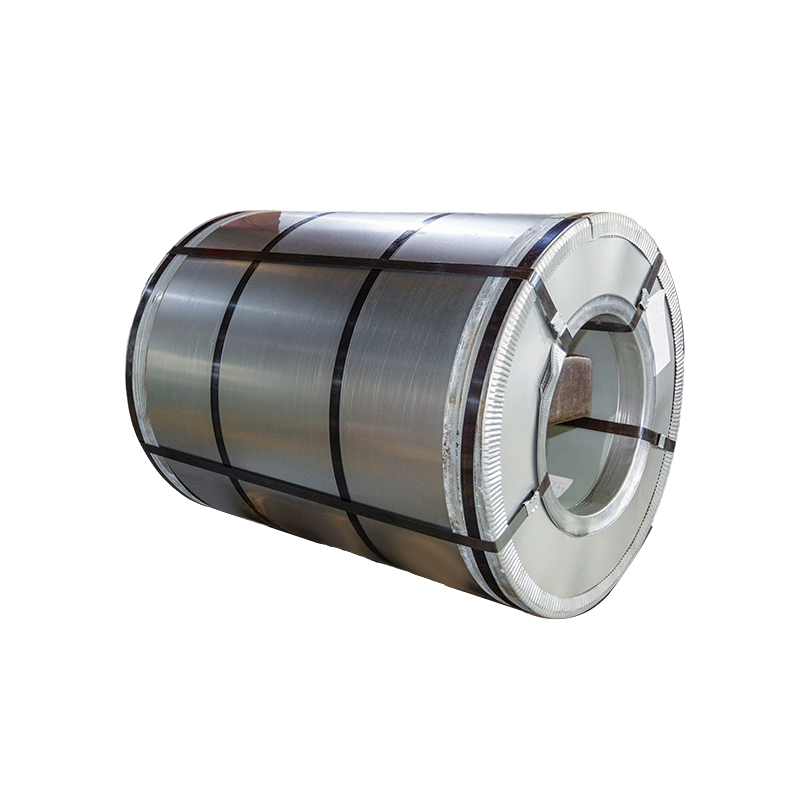
The performance of decorative coated coils depends on substrate selection, coating structure, pattern quality, and durability testing. Galvanized steel and galvalume steel are commonly selected as substrates because they provide reliable corrosion resistance and mechanical strength. The conventional substrate thickness ranges from 0.3mm to 1.2mm, while building interiors and appliance applications commonly use 0.4mm to 0.8mm materials.
The coating system normally includes primer, topcoat, and optional print layers or embossing treatment. Coating thickness is generally controlled according to application requirements, while embossed products often require thicker coatings to support texture forming. Gloss levels are usually matte or low gloss to improve texture visibility and reduce the appearance of minor surface marks.
| Substrate Type |
Galvanized Steel (GI), Galvalume Steel (GL) |
| Thickness Range |
0.15mm to 1.5mm customization available |
| Width Range |
800mm to 1300mm |
| Coating Options |
PE, HDP, SMP, PVDF |
| Testing Items |
Coating thickness, color difference, adhesion, weather resistance |
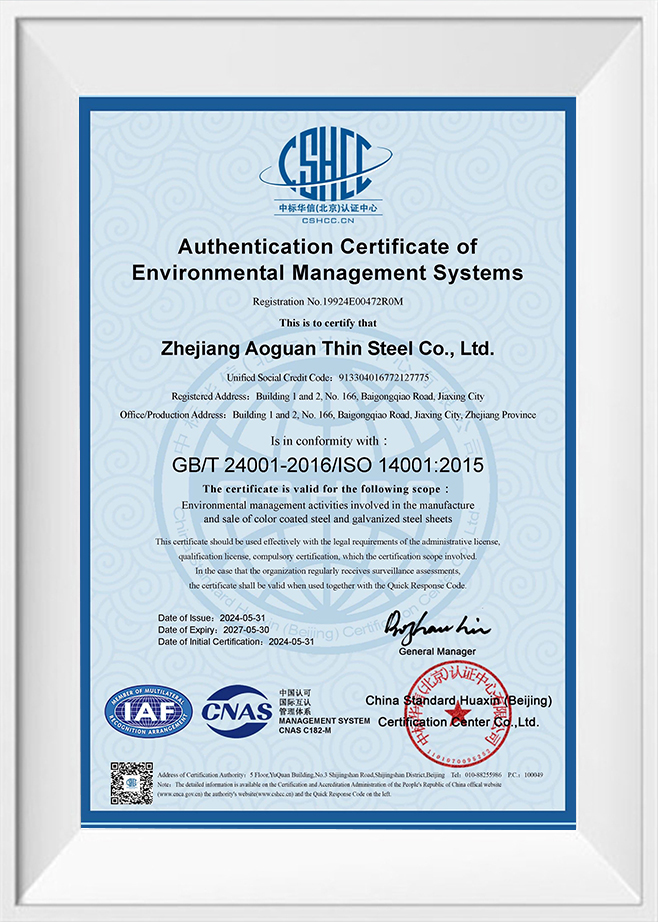
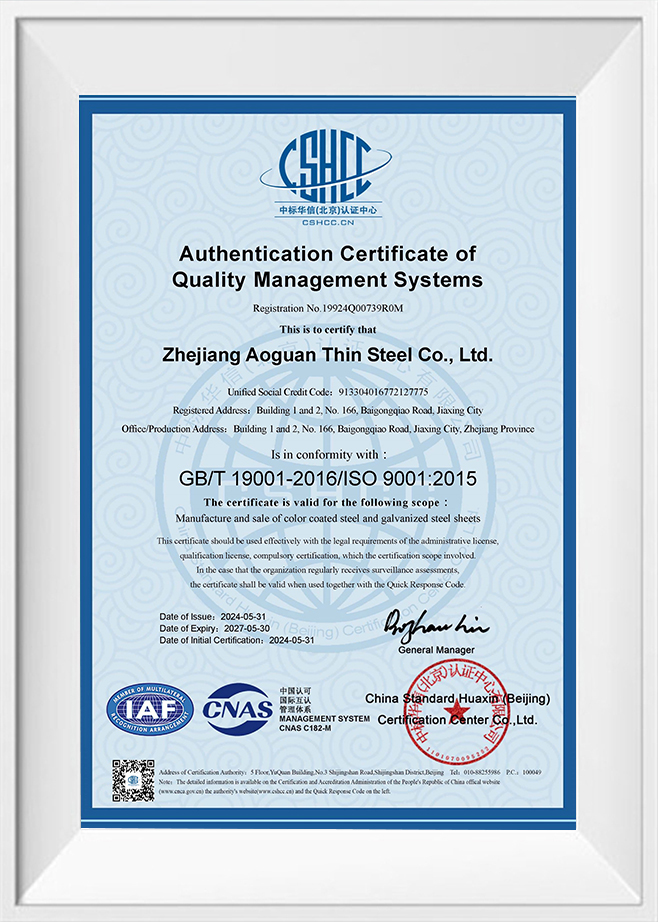
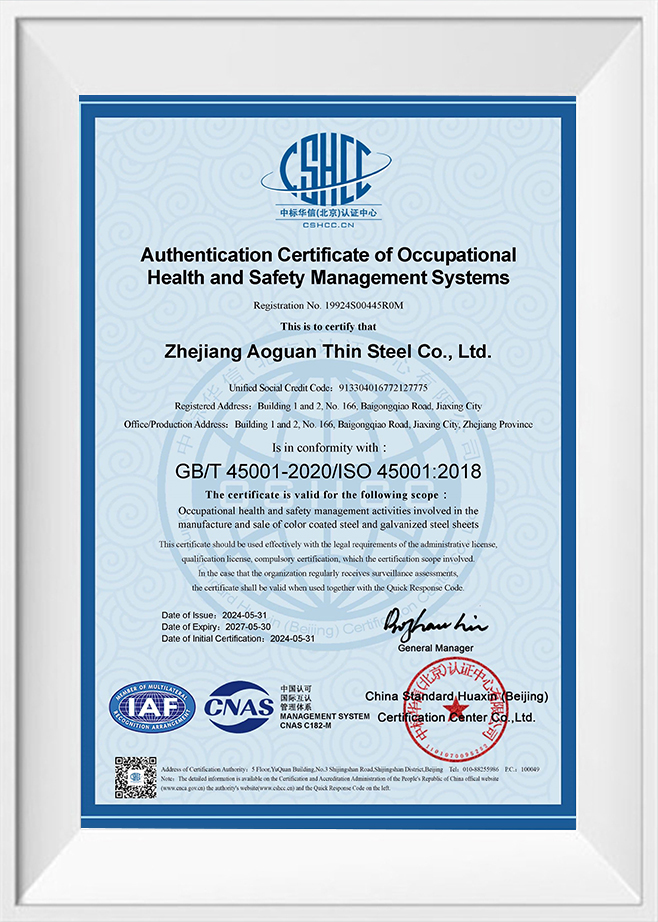
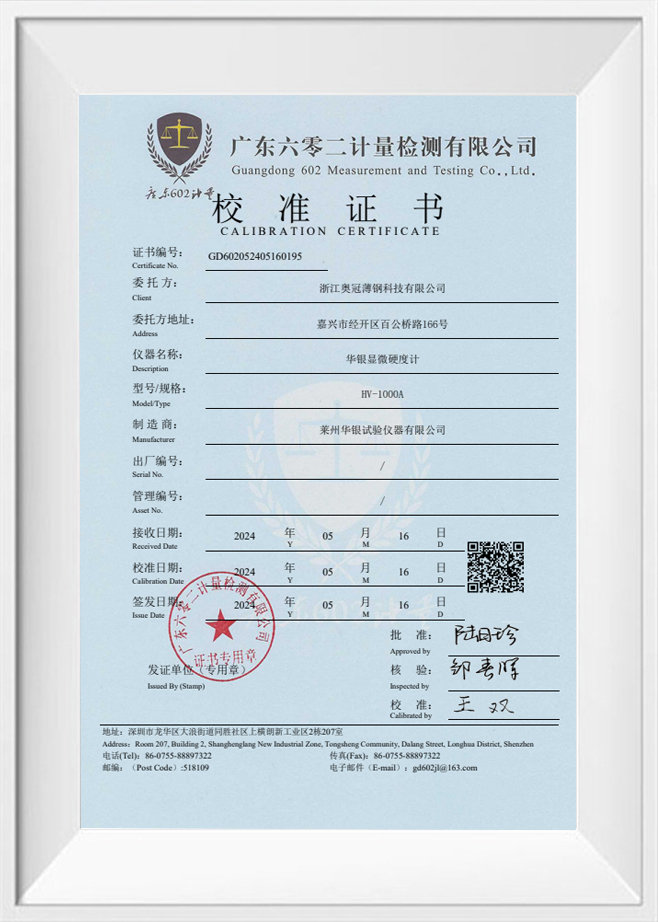
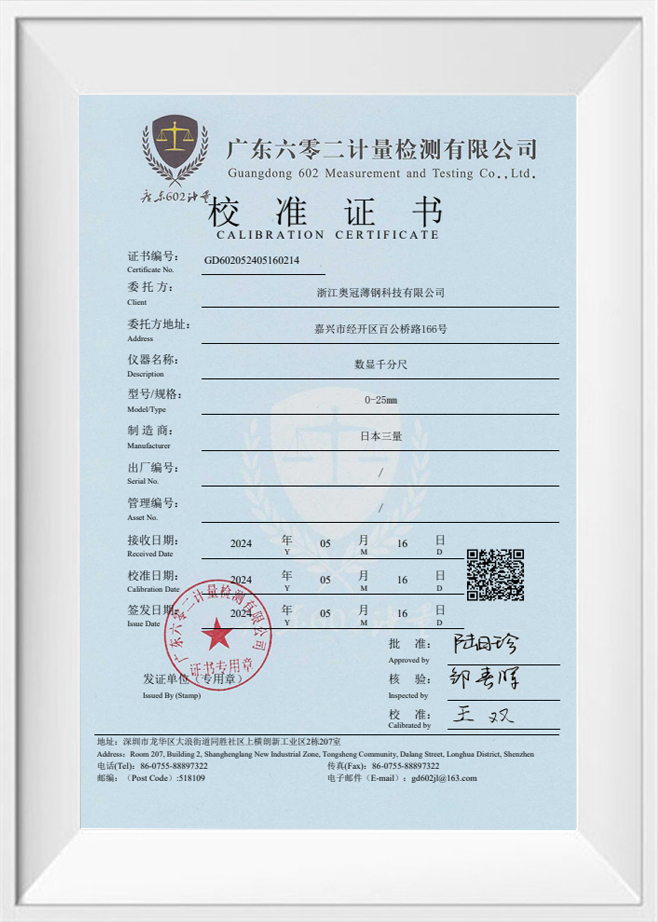
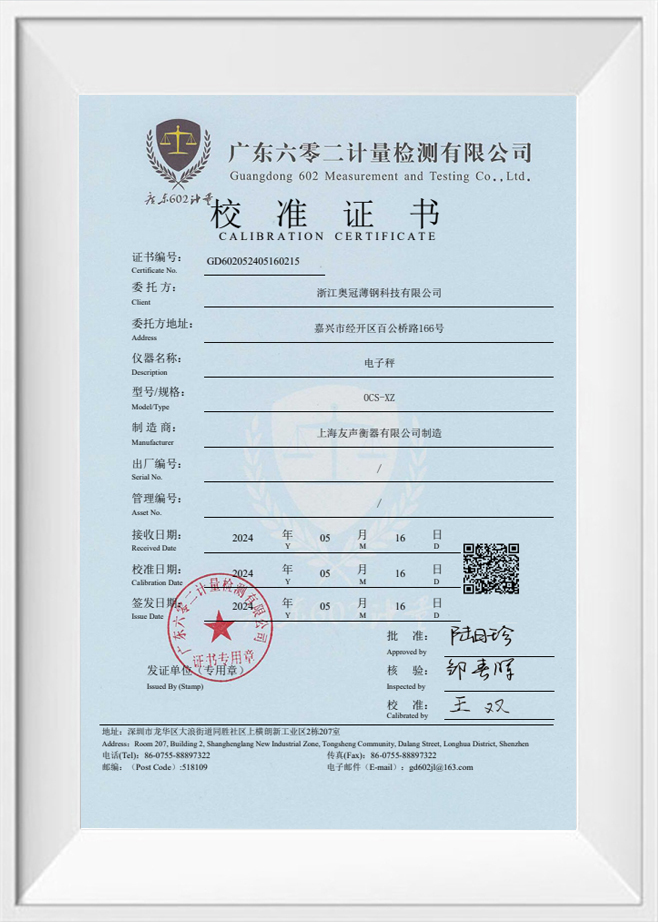
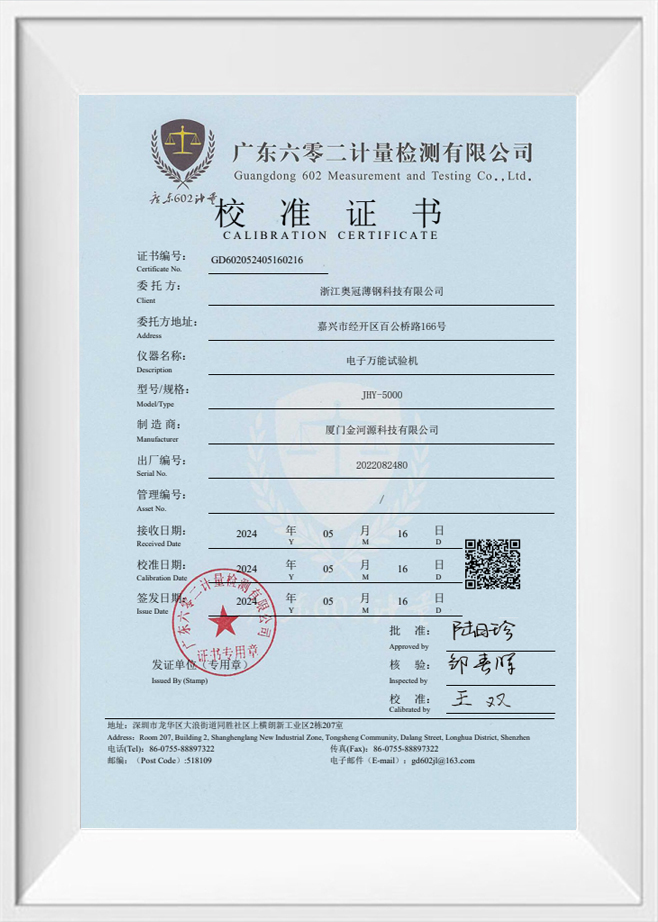
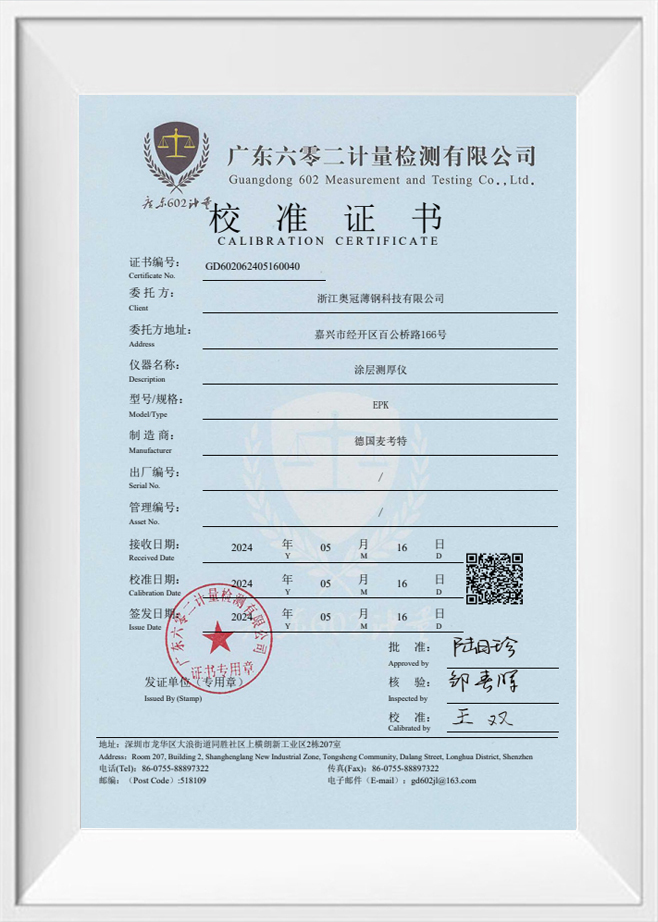
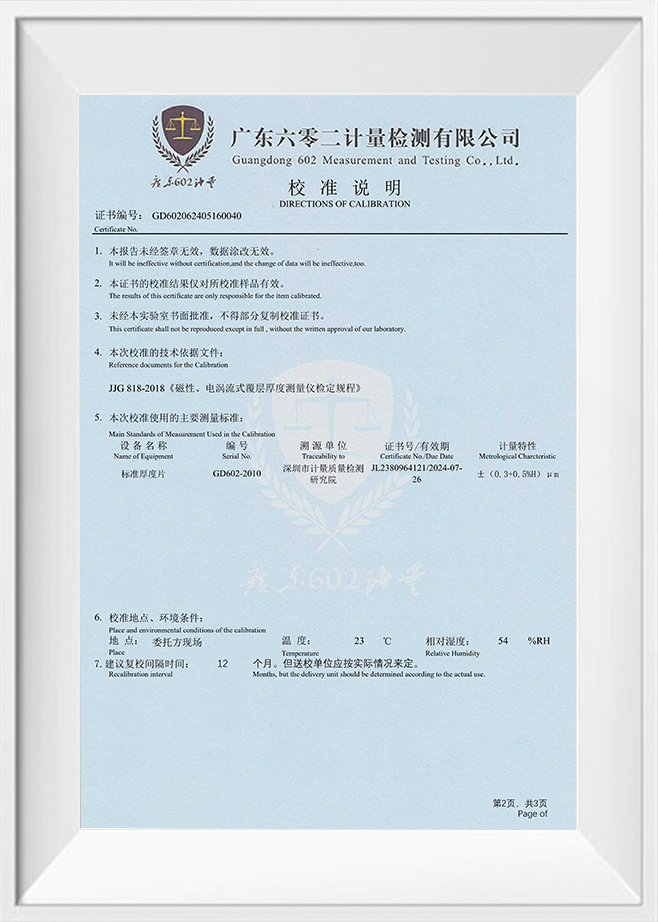
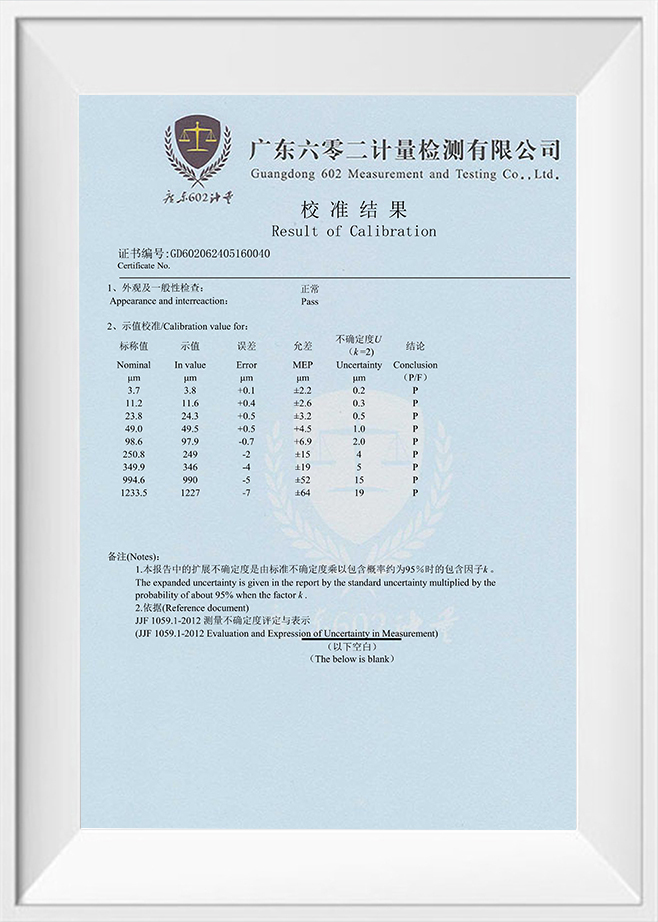
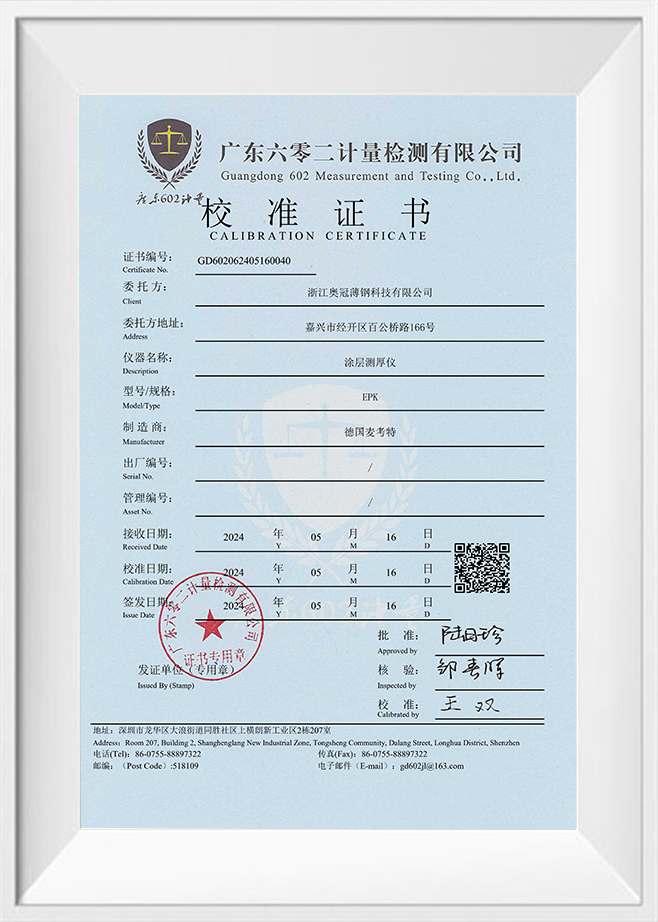
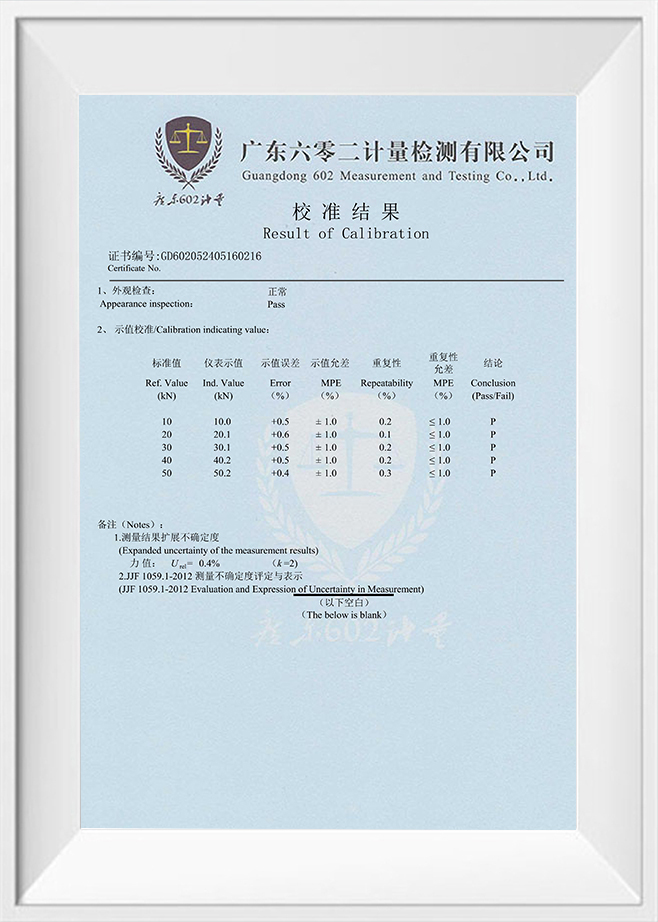
Aoguan Thin Steel Group operates CNAS-accredited laboratory facilities covering multiple performance indicators. The company uses professional testing equipment to monitor coating thickness, color accuracy, surface quality, and durability. This quality management system helps ensure that customized printed & embossed coils maintain stable performance during manufacturing, transportation, and long-term use.
Global Manufacturing and Customized Service Capability
Aoguan Thin Steel Group specializes in PPGI and PPGL production with an annual capacity exceeding 1 million tons. The company operates multiple production lines across Shanghai, Zhejiang, Jiangsu, and Anhui, providing customized coated steel products for international markets including Southeast Asia, Africa, the Middle East, and South America.
The company provides flexible customization services covering substrates, colors, coatings, zinc layers, and film thicknesses. With convenient access to major ports and professional export packaging systems, Aoguan Thin Steel Group supports efficient global delivery for different project requirements. Customers can also receive sample services and prototype support before large-scale production.
Frequently Asked Questions
Q1: What is the difference between printed coils and embossed coils?
Printed coils focus on high-precision surface patterns created through printing technology, while embossed coils create physical textures through roller pressing. Printed products provide more visual customization, while embossed products offer stronger tactile effects and scratch concealment.
Q2: What applications are suitable for printed & embossed coils?
Printed & embossed coils are widely used in commercial buildings, residential decoration, furniture panels, appliance surfaces, interior walls, and customized architectural projects requiring decorative appearance and durability.
Q3: Can decorative coated coils be customized according to project requirements?
Yes. Manufacturers can customize substrate type, thickness, coating system, color, pattern design, and surface texture according to application requirements. Aoguan Thin Steel Group provides customized services for different industries and regional markets.
Q4: How does Aoguan ensure the quality of coated coil products?
Aoguan ensures product quality through advanced production equipment, laboratory testing, coating control systems, and strict inspection procedures. These processes help maintain stable color, adhesion, weather resistance, and surface performance.


 English
 Français
 Español
 عربى
عربى