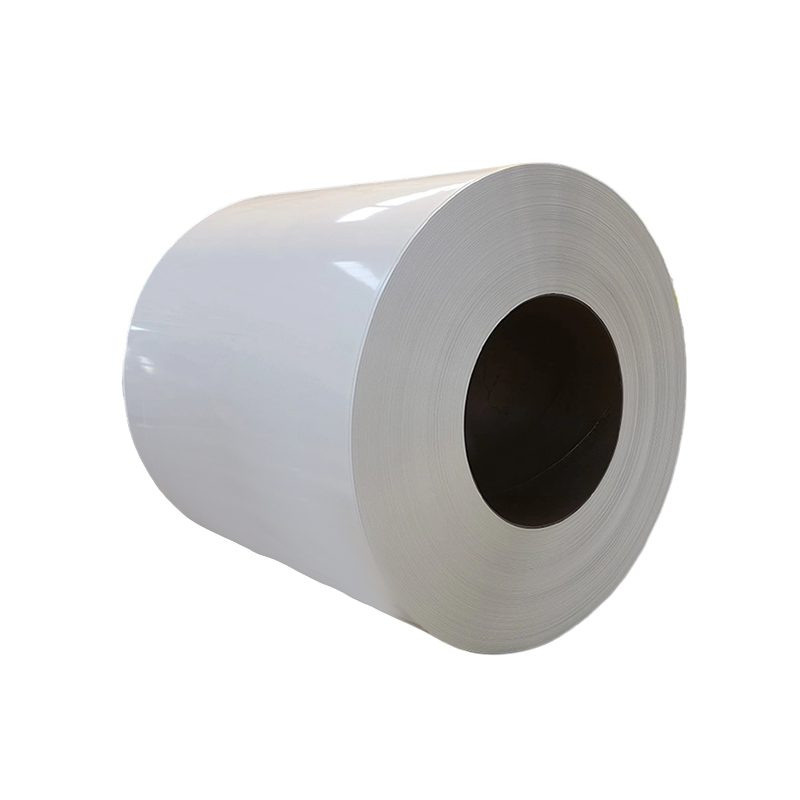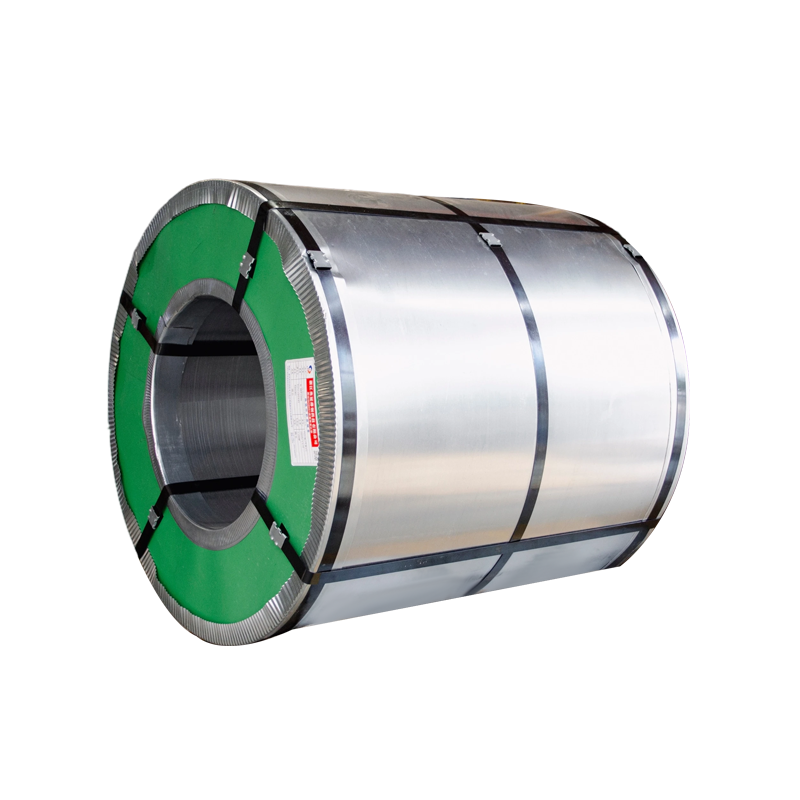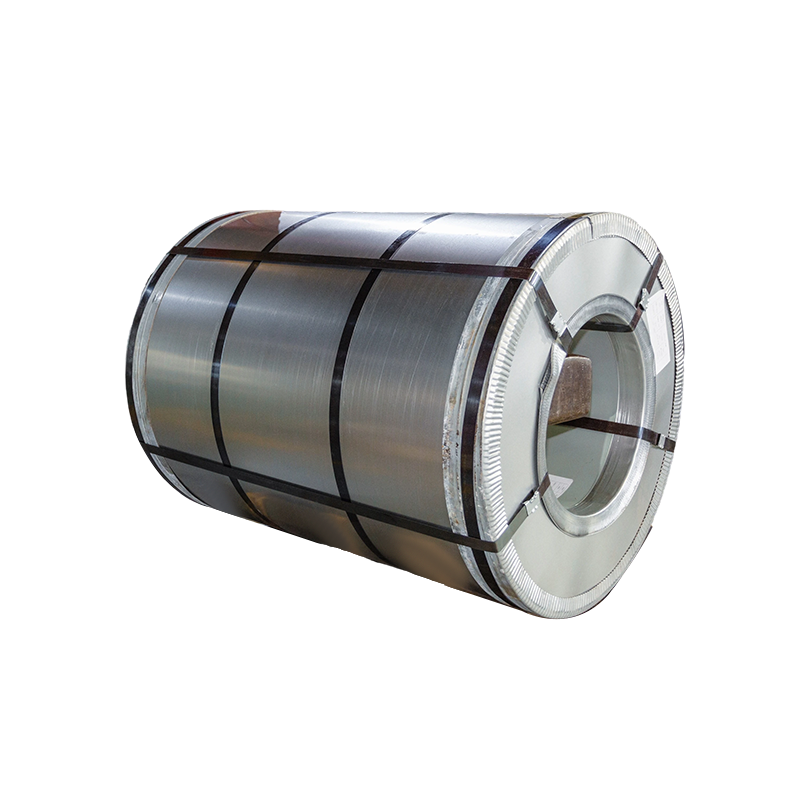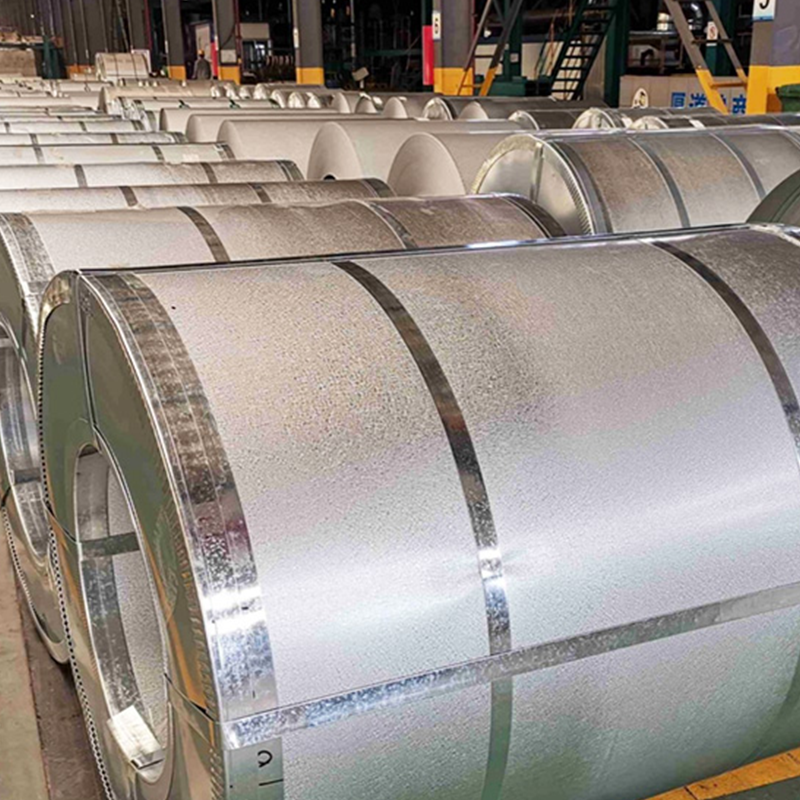
Two coil quotations can sit five percent apart on price and still be fifteen years apart on service life. That gap is the practical difference between PPGI and PPGL, and it is why the substrate deserves as much attention as the color chart.
PPGI stands for pre-painted galvanized steel, a coil that carries a pure zinc coating beneath its paint film. PPGL stands for pre-painted galvalume steel, the same paint concept applied over a 55% aluminum, 43.4% zinc and 1.6% silicon alloy coating. Paint lines for the two products are essentially identical, so two coils can look the same on delivery yet behave completely differently in salt air, in a press and on a balance sheet.
PPGI is prepainted steel with a galvanized (pure zinc) substrate, commonly specified from Z60 to Z275 g/m2. PPGL is prepainted steel with a galvalume (55% aluminum-zinc) substrate, commonly specified from AZ55 to AZ150 g/m2. The same PE, SMP or PVDF paint systems can be applied to either substrate.
This guide compares the two the way a procurement team should: substrate chemistry first, then corrosion life, formability, cost, and a decision framework mapped to real applications such as roofing, ducting, appliances and sandwich panels.
Content
The fastest way to compare PPGI and PPGL is to look past the paint and read the metallic coating underneath, because every major performance difference traces back to that layer.
Zinc is a sacrificial metal: it corrodes in preference to steel and protects the scratches, sheared edges and punch holes around it. Aluminum is a barrier metal: it forms a stable oxide film that seals out moisture and oxygen while barely consuming itself. Galvalume combines the two, a 55% aluminum matrix with zinc-rich pockets plus a small silicon addition that stabilizes the hot-dip process. The paint film then adds color and UV resistance on top of whichever chemistry you selected.
Because substrate quality drives everything else, it is worth asking whether your supplier makes the base metal or buys it in. Zhejiang Aoguan Thin Steel Technology Co., Ltd. operates its own galvanizing and aluzinc lines alongside two color coating lines, so the GI and GL substrates and the finished PPGI and PPGL coils stay under one quality system from substrate to packing.
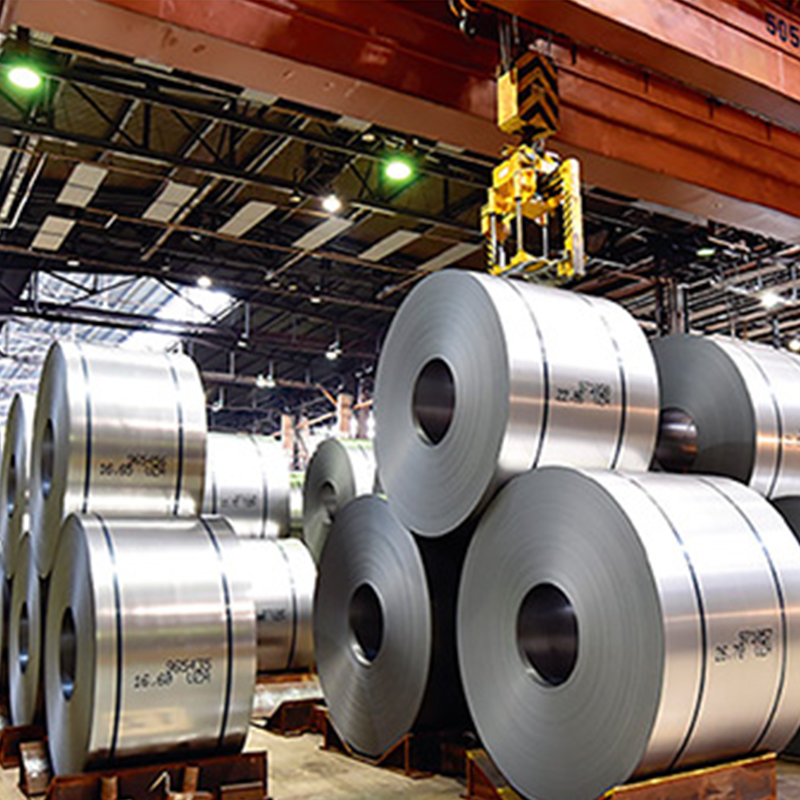 Aluzinc Steel Coil (GL) with 55% Aluminum-Zinc CoatingWith in-house galvanizing and aluzinc lines keeping substrates under one quality system, this 55% Al-Zn coil offers corrosion resistance several times that of galvanized steel, plus heat resistance for roofs, walls, and heat-exposed components.View Product →
Read the table as a spec sheet rather than a brochure: the first four rows explain how each product behaves, and the last four explain what it costs and where it fits.
| Property | PPGI, galvanized substrate | PPGL, galvalume substrate |
| Metallic coating | Pure zinc, Z60 to Z275 g/m2 | 55% aluminum-zinc alloy, AZ55 to AZ150 g/m2 |
| Corrosion mechanism | Sacrificial zinc protection | Aluminum barrier with zinc-rich pockets |
| Cut-edge behavior | Strong sacrificial protection at sheared edges | Weaker galvanic action at cut edges |
| Formability | Better for deep drawing and tight bends | Adequate, less forgiving on severe draws |
| Heat resistance | Coating stable to about 200 degrees Celsius | Coating stable to about 300 degrees Celsius |
| Outdoor life | Shorter in aggressive atmospheres | Two to four times longer in exposure testing |
| Relative cost | Lower, generally the budget option | Modest premium, typically 5 to 15 percent |
| Best fit | Appliances, ducting, interior panels | Roofing, cladding, coastal and industrial sites |
Two nuances matter when reading it. First, paint quality cannot rescue a mismatched substrate: a premium PVDF topcoat over a thin zinc layer still loses to AZ150 in a marine atmosphere. Second, the cost gap is not fixed because it moves with zinc and aluminum prices, so quote both substrates on every project instead of assuming last year's ratio.
If a quotation says only "color coated coil", ask which substrate is underneath. The answer changes the price today and the replacement schedule a decade from now.
For any surface exposed to rain, salt or industrial fallout, PPGL is the safer long-term bet, and the atmospheric exposure data behind that claim is consistent across independent test stations.
The reason is chemical. Aluminum reacts with oxygen to form a thin, self-renewing oxide film that slows further attack, so a galvalume coating loses mass slowly and evenly. Zinc corrodes steadily by design, which is what makes it a good protector of cut edges but a faster-consuming barrier on open surfaces. Galvalume keeps enough zinc to retain part of that sacrificial behavior while the aluminum matrix slows the overall rate.
Coating weight is the one variable you control at the ordering stage, and it compounds over decades. For the arithmetic behind it, see this guide to calculating zinc coating and paint film thickness before fixing Z or AZ values in the contract.
When the coil has to survive deep drawing, tight bending or heavy slitting rather than weather, PPGI is usually the more forgiving and more economical choice.
Zinc sacrifices itself for the steel around it; aluminum walls the steel off from the environment. Every PPGI vs PPGL decision is ultimately a choice between those two behaviors.
Appliance manufacturers face this trade-off most explicitly, which is why coils graded for appliance bodies, back panels and door skins are normally specified on galvanized substrate with formable paint systems.
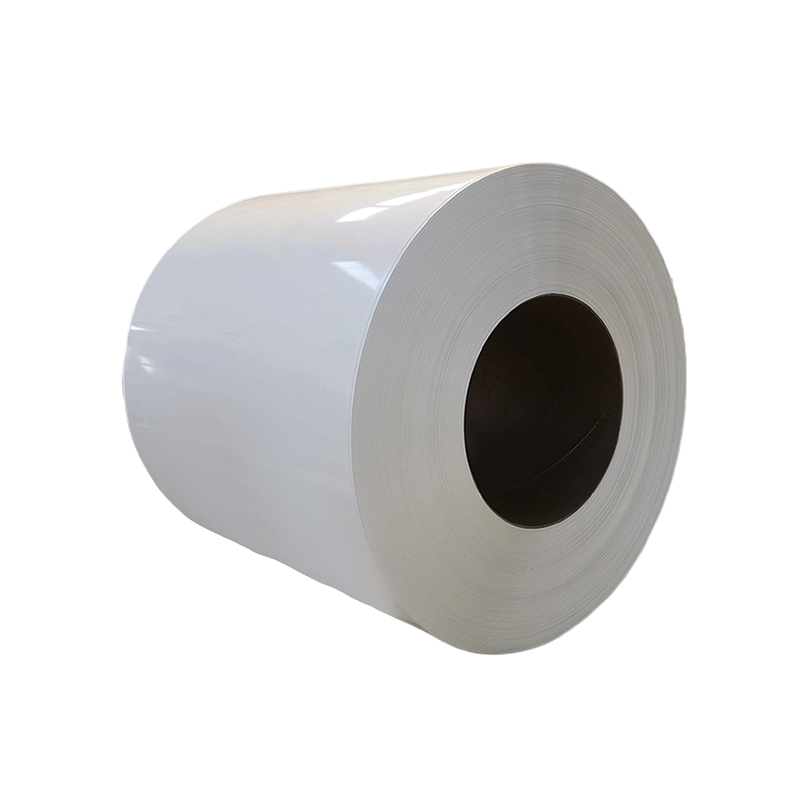 Pre-Painted Steel Coils for Appliance PanelsAppliance bodies, back panels and door skins are typically specified on galvanized substrate with formable paint systems, since these PCM and VCM coils combine strict surface quality, formability, and finishes for refrigerators, washers, and air conditioners.View Product →
Choose PPGL when the coil faces weather, and choose PPGI when the coil faces the press. Most specification mistakes happen when buyers reverse those two priorities or decide on unit price alone.
Roofing is the cleanest example. Producers of PPGI and PPGL roofing sheets work at the center of this decision, and prepainted coils graded for building materials are specified with substrate, coating weight and paint system selected together.
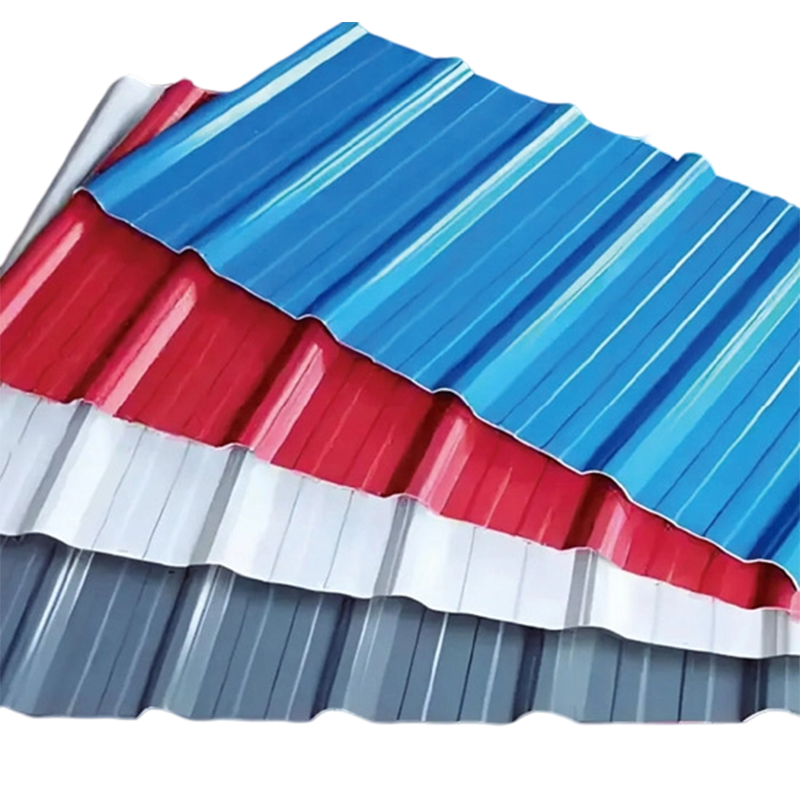 Pre-Painted Steel Coil for Building MaterialsFor roofing and wall cladding, substrate and paint system are selected together; these color-coated coils pair galvanized substrates with PE, SMP, or PVDF topcoats matched to weathering demands of industrial, commercial, and residential buildings.View Product →
Functional interiors follow the same logic with one twist: antibacterial and antistatic coils, and purification prepainted coil for cleanroom panels, are normally PPGI-based because the environment is controlled and the topcoat carries the functional load.
Most disputes over PPGI and PPGL trace back to specifications that never made it onto the purchase order, so put the following five items in writing every time.
Rule of thumb: when the substrate choice is genuinely ambiguous, upgrade the coating weight before upgrading anything else. Extra metallic coating buys years; extra gloss buys months.
No. PPGL wins outdoors, but PPGI is cheaper, more formable and protects cut edges better, which makes it the correct choice for appliances, ducting and most indoor products.
Typically 5 to 15 percent at the coil level, although the gap moves with zinc and aluminum prices. For outdoor work, judge on cost per service year rather than cost per tonne.
Yes. PE, SMP and PVDF systems run on both substrates on the same color coating line, so paint selection should follow exposure conditions rather than substrate type.
Specify PPGL with an AZ150 coating and an SMP or PVDF topcoat. PPGI can work inland with heavier zinc and a maintenance plan, but in salt-laden air the galvalume substrate pays for itself well within the first service decade.
aoguanthinsteel@agtst.com
Address
No. 166, South Baigongqiao Road, Economic and Technological Development Zone, Nanhu District, Jiaxing City, Zhejiang Province, China
Phone Number
+86-15021696188
Products
+86-15021696188
Mobile terminal