Why Painted Coil Packaging Solves a Different Problem Than Bare Steel Packaging
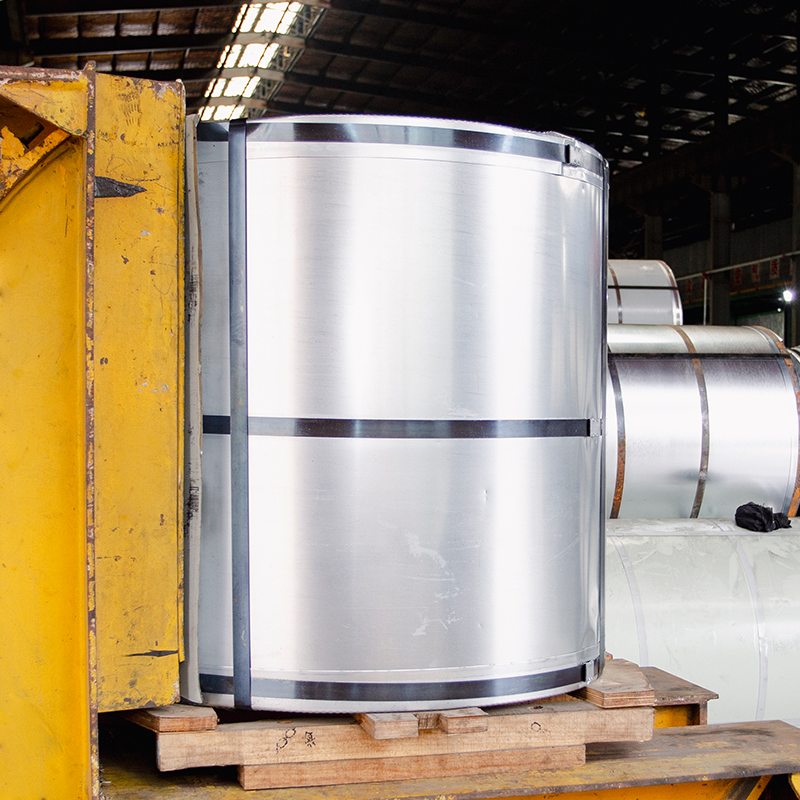
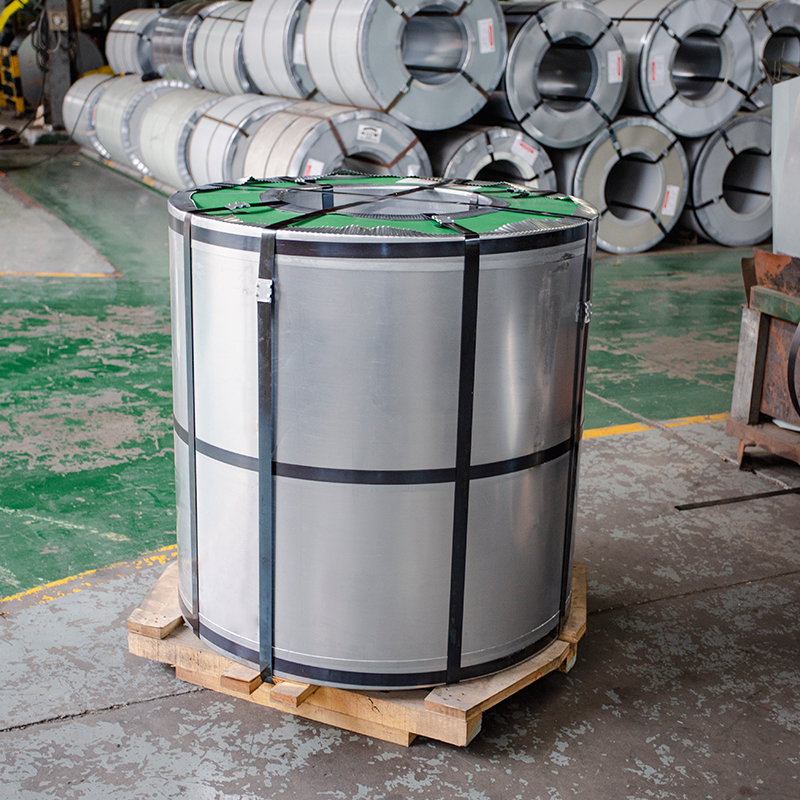
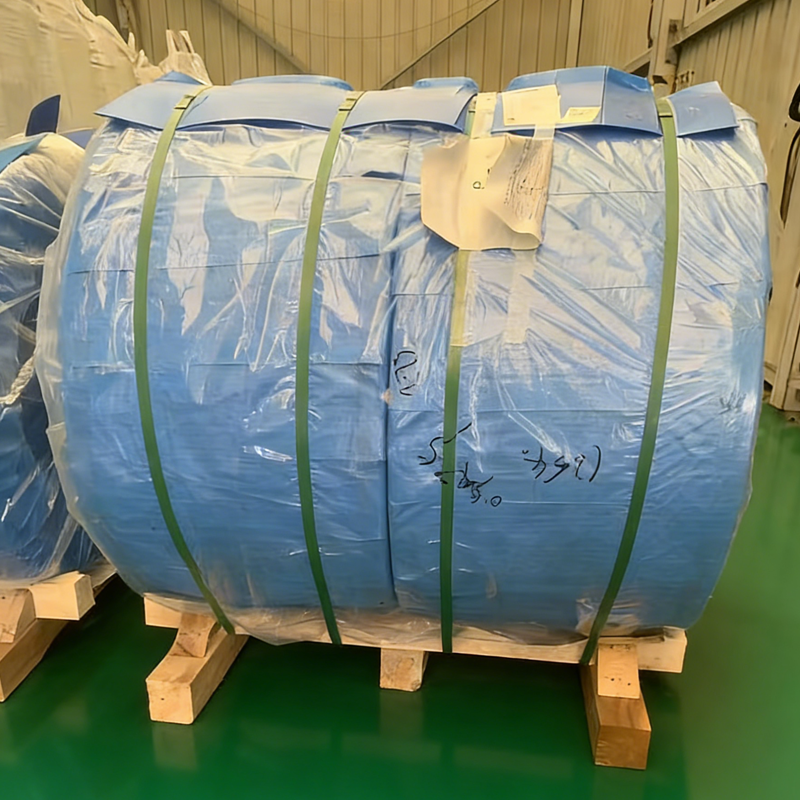
Packaging for painted PPGI and PPGL coils has to protect two separate things at once: the base steel against corrosion, and the paint film itself against surface damage that bare steel packaging was never designed to prevent. A packaging system adequate for uncoated galvanized coil can still leave a color-coated coil arriving with scuffed, scratched, or pressure-marked finish, because the coating's cosmetic surface is vulnerable to abrasion and indentation in ways bare metal simply isn't. Interleaving material placed between wraps or at contact points prevents coil-to-coil or wrap-to-wrap friction from burnishing or scratching the painted surface during the vibration and shifting that happens over weeks of ocean transit.
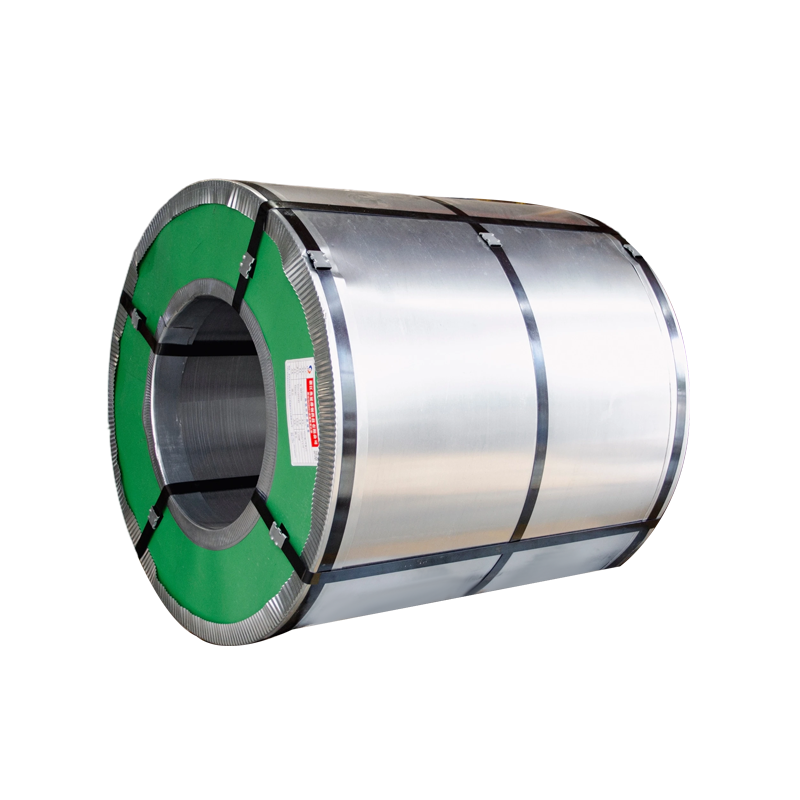
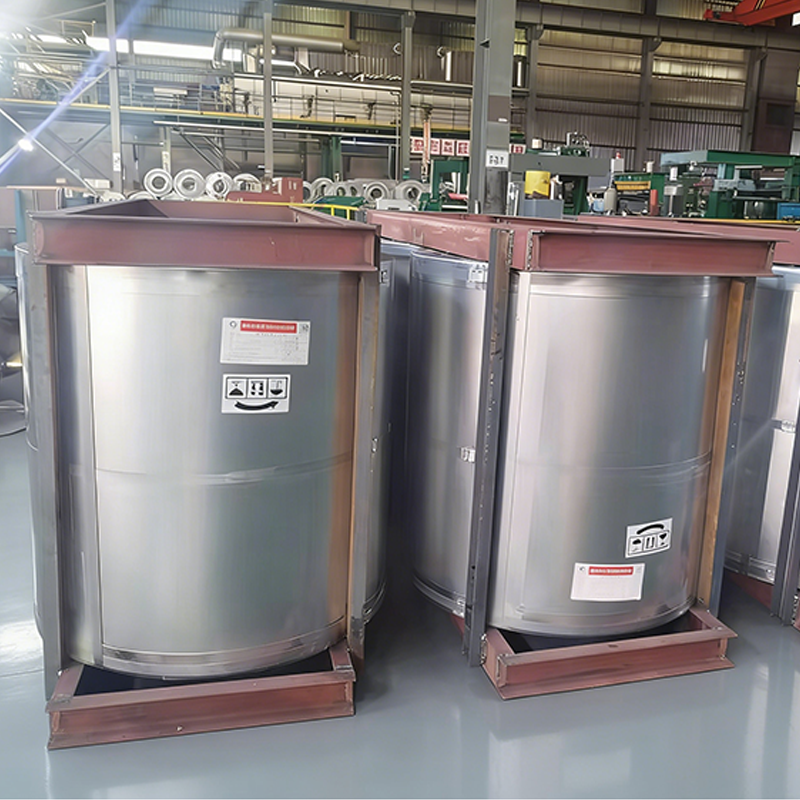
Edge and end protection carries added weight for painted coil too. A crushed or telescoped edge on a bare substrate coil is primarily a dimensional loss, but the same damage on a painted coil also exposes bare, unprotected edge steel and often cracks the coating right at the point of impact, creating a corrosion starting point that wasn't there before the damage occurred. This is why PPGI Product Packaging specifications typically call for heavier-duty edge protectors and end caps than equivalent bare-substrate coil packaging.
Humidity, Condensation, and the Specific Failure Mode of Painted Coatings
Condensation trapped inside a tightly wound coil during a long ocean voyage doesn't just risk corroding exposed steel, on painted coil it can also cause blistering or adhesion loss at the paint-to-substrate interface if moisture works its way beneath the coating film at edges or minor coating imperfections. This failure mode is slower to appear and easier to miss during outbound inspection than surface corrosion on bare steel, since a coil can leave the factory looking flawless and still develop blistering weeks later after prolonged exposure to trapped humidity during transit.
- Apply a vapor-barrier inner wrap directly against the coated surface before any additional outer packaging layers.
- Use VCI-treated paper specifically formulated for painted surfaces, since some VCI chemistries can interact with certain paint systems.
- Include desiccant inside sealed packaging for shipments crossing high-humidity routes or facing extended port dwell time.
- Avoid overly tight wrapping tension that can trap condensation against the coated surface without allowing any moisture migration.
Route and season matter more for painted coil than buyers typically account for at the time of order. A shipment scheduled during a humid monsoon season along a Southeast Asian route faces meaningfully higher condensation risk than the same shipment timed for a drier season, which is a factor worth discussing with a supplier before finalizing packaging specifications rather than after a claim arises.
Where GI, GL, and Painted Coil Packaging Requirements Actually Diverge
| Coil Type |
Primary Packaging Concern |
Key Packaging Feature |
| Bare Galvanized (GI) |
White rust from moisture on zinc surface |
Moisture barrier wrap, standard interleaving |
| Bare Galvalume (GL) |
Moisture staining, edge exposure |
Moisture barrier wrap, reinforced edge protection |
| Painted PPGI/PPGL |
Surface abrasion, coating blistering |
Interleaving film, coating-compatible VCI, heavy edge protectors |
Primary packaging concerns and required features differ between bare and painted coil types.
Buyers who standardize packaging specifications across their full order regardless of coil type, applying the same wrap and protection level to bare substrate and painted coil alike, often end up over-packaging one product while under-protecting the other, since the actual failure risks aren't the same for each.
Inspection and Documentation That Actually Catches Packaging-Related Damage
Photographic documentation at the point of loading, covering coil wrap condition, edge protector placement, and strapping tension, gives buyers a clear reference point to compare against condition on arrival, which matters considerably more for long ocean routes than for regional shipments where transit time and handling exposure are much shorter. Zhejiang Aoguan Thin Steel Technology documents packaging condition at the point of container loading across shipments to Southeast Asia, Africa, the Middle East, and South America specifically because these routes typically involve multiple transshipment points where damage risk accumulates with each additional handling step.
When a claim does arise, distinguishing packaging-related damage from in-transit mishandling depends heavily on having that outbound documentation available, since without it, responsibility for damage discovered on arrival becomes difficult to establish either way. Specifying PPGI Packaging or PPGL Packaging requirements clearly at the order stage, and requesting loading documentation as standard practice, gives buyers a much stronger position if a dispute over transit damage ever needs to be resolved.