


The Next Frontier in Coated Steel Technology
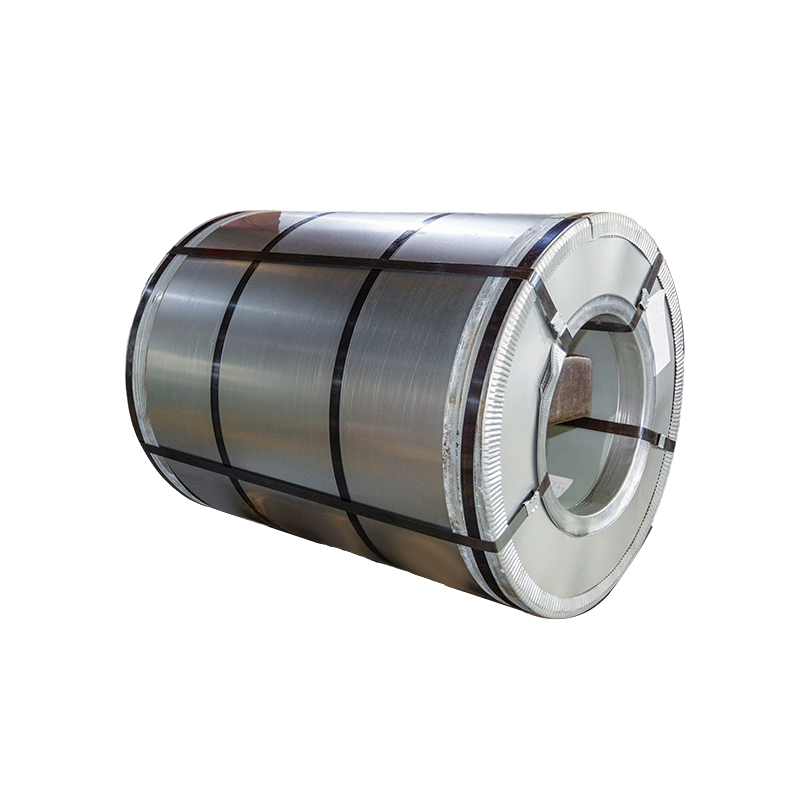
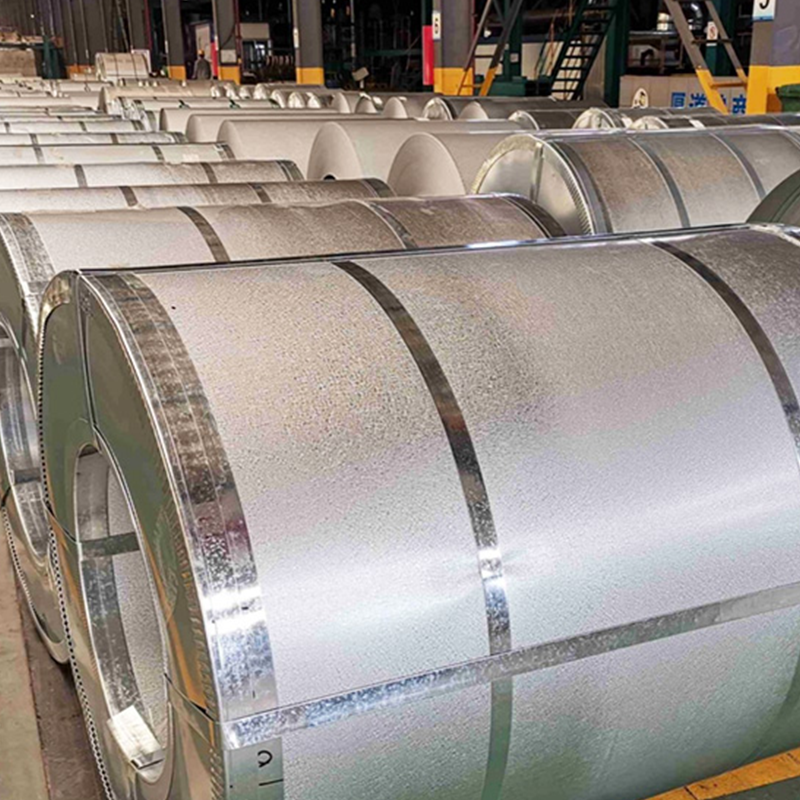
The color coated steel coil industry is undergoing a significant transformation driven by advances in coating technologies. As demand for durable, sustainable, and intelligent building materials continues to rise, manufacturers are developing innovative coating systems that go beyond traditional corrosion protection. These emerging technologies — including self-healing coatings, nano-coatings, smart monitoring systems, and antimicrobial finishes — are reshaping the capabilities and applications of color coated steel coils across construction, automotive, and industrial sectors. This guide explores the most promising innovations that are set to define the future of the industry.
The global coated steel coil market is responding to demands for enhanced performance, environmental sustainability, and functional intelligence. Emerging coating technologies are not only improving durability and aesthetics but also adding capabilities such as real-time damage monitoring, self-repair, and active environmental responsiveness.
Key Emerging Coating Technologies
Several innovative coating technologies are gaining traction across the industry, each addressing specific performance requirements and market demands.
Self-Healing Coatings
Microcapsule technology embedded in the coating releases healing agents when damage occurs, automatically repairing scratches and minor surface damage. This extends product life and reduces maintenance costs significantly [citation:1].
Nano-Coatings
Nanostructured materials enhance corrosion resistance, UV protection, and surface hardness at the molecular level. These advanced coatings provide superior performance with minimal material usage, improving both durability and sustainability [citation:1].
Thermal Management Coatings
Phase change materials integrated into coatings regulate temperature by absorbing and releasing heat. This improves building energy efficiency and thermal performance, reducing cooling costs in hot climates [citation:1].
Smart Coatings and Monitoring Systems
Intelligent coating systems are transforming passive building materials into active, responsive components that provide real-time performance data and predictive maintenance capabilities.
| Technology | Key Feature | Primary Benefit | Application |
|---|---|---|---|
| Smart Coatings | Sensor integration for real-time monitoring | Predictive maintenance, condition tracking | Structural health monitoring |
| Self-Healing Coatings | Microcapsule release of healing agents | Automatic scratch repair, extended service life | Architectural cladding, automotive |
| Thermal Management | Phase change materials (PCM) | Energy savings, temperature regulation | Roofing, building envelopes |
| Antimicrobial Coatings | Silver ion technology | Hygiene, microbial growth prevention | Healthcare, food facilities, public spaces |
| Eco-Friendly Coatings | Biopolymer and water-based formulations | Reduced environmental impact, improved safety | Sustainable construction projects |
Industry Applications and Benefits
Emerging coating technologies are being adopted across diverse industries, each leveraging specific performance advantages for their applications.
- Construction Self-healing and smart coatings are being integrated into roofing and cladding systems, enabling building owners to monitor structural health and reduce maintenance costs over the building lifecycle [citation:1].
- Automotive Nano-coatings and scratch-resistant finishes are improving the durability and appearance of automotive body panels, while lightweight coated steel supports vehicle weight reduction efforts [citation:6].
- Healthcare Antimicrobial coatings utilizing silver ion technology are being specified for hospitals, clinics, and laboratories where infection control is critical. These coatings prevent microbial growth on high-touch surfaces [citation:1].
- Food Facilities Hygiene-focused coatings are used in commercial kitchens, food processing plants, and cold storage facilities where sanitation and corrosion resistance are essential.
- Industrial Thermal management and heat-resistant coatings are deployed in factories, power plants, and equipment enclosures where temperature regulation and protection from heat sources are required.
Technology Comparison: Traditional vs. Smart Coatings
The following comparison highlights the performance differences between conventional coating systems and emerging smart coating technologies.
| Characteristic | Traditional Coatings (PE/SMP) | Smart Coatings (Next-Gen) |
|---|---|---|
| Corrosion Protection | Passive barrier only | Active + passive protection |
| Damage Response | Requires manual repair | Self-healing capability |
| Monitoring | None | Real-time sensor feedback |
| Maintenance Cost | High | Reduced by up to 50% |
| Environmental Impact | Solvent-based, higher emissions | Water-based, lower VOC |
| Service Life | 7-15 years | 20-30 years |
| Antimicrobial Protection | Not available | Integrated silver ion technology |
| Thermal Management | Limited | Phase change materials integrated |
Selection Criteria for Smart Coating Technologies
When evaluating emerging coating technologies for your project, consider the following factors to ensure optimal performance and value.
- Performance Requirements Assess the specific challenges of your application — coastal corrosion, high UV exposure, hygiene requirements, or thermal management needs. Self-healing coatings are ideal for high-traffic areas prone to scratches and minor damage [citation:1].
- Lifecycle Costs Consider total cost of ownership rather than initial material cost. Smart coatings typically have higher upfront costs but deliver significant savings through reduced maintenance, extended service life, and improved energy efficiency [citation:1].
- Sustainability Goals For green building certifications, water-based coatings, biopolymer formulations, and recyclable coated products support environmental objectives [citation:1].
- Integration Requirements For smart buildings, monitoring-enabled coatings that integrate with building management systems provide valuable data for predictive maintenance and operational optimization.
- Regulatory Compliance Ensure coatings meet relevant standards for VOC emissions, food contact (where applicable), and antimicrobial efficacy if specified.
Common Misconceptions
Understanding the realities of emerging coating technologies helps avoid costly specification errors.
- Self-Healing ≠ Indestructible Self-healing coatings can repair minor scratches but are not immune to severe damage. The healing process works for surface-level damage (typically less than 5μm), not for deep gouges or structural damage [citation:1].
- Smart Coatings Require Infrastructure Monitoring-enabled coatings require compatible building management systems to provide real-time data. Without integration, the "smart" capability is unused.
- Not All Nano-Coatings Are Equal The quality and performance of nano-coatings vary significantly between manufacturers. Look for third-party testing and certification to verify performance claims.
- Antimicrobial ≠ Permanent Sterility Antimicrobial coatings reduce microbial growth but do not eliminate the need for regular cleaning and sanitation.
Maintenance and Performance Validation
Regular inspection and performance validation ensure that smart coating technologies continue to deliver their intended benefits throughout their service life.
- Visual Inspection Regular surface inspections identify scratches, damage, or coating degradation that may require attention. Smart coatings with self-healing capabilities may show visible evidence of the healing process at scratch sites.
- Performance Testing For coatings with specific claims (self-healing, antimicrobial, thermal management), periodic testing validates continued performance. Salt fog testing, scratch testing, and thermal performance measurement provide objective evidence [citation:1].
- Sensor Calibration For monitoring-enabled coatings, sensor calibration and data validation ensure accurate condition reporting. This typically requires coordination with the building management system provider.
- Sustainability Verification For eco-friendly coatings, verify ongoing compliance with environmental standards and VOC emissions requirements.
Conclusion
Emerging coating technologies are rapidly transforming the capabilities of color coated steel coils, adding intelligence, self-repair, and active functionality to traditional building materials. Self-healing coatings reduce maintenance costs by automatically repairing minor damage. Nano-coatings enhance corrosion resistance and UV protection at the molecular level. Smart coatings with integrated sensors enable real-time condition monitoring and predictive maintenance.
For building owners, specifiers, and manufacturers, understanding these emerging technologies is essential for making informed decisions that balance performance, cost, and sustainability. As the technology continues to evolve, color coated steel coils will become increasingly intelligent, durable, and responsive to their environment, delivering greater value over longer service lives [citation:1].
Frequently Asked Questions
Smart coatings are advanced coating systems that incorporate sensor technology, self-healing capabilities, or active environmental responsiveness. They can detect and report damage, repair minor scratches automatically, or respond to environmental conditions such as temperature changes [citation:1].
Self-healing coatings contain microcapsules filled with healing agents. When the coating is scratched or damaged, the microcapsules rupture and release the healing agent, which flows into the damaged area and hardens to seal the scratch. This process extends the service life of the coating and reduces maintenance requirements [citation:1].
Emerging coating technologies are being adopted across construction (roofing and cladding), automotive (lightweight body panels), healthcare (antimicrobial surfaces), food facilities (hygiene-focused coatings), and industrial applications (thermal management for factories and power plants) [citation:1].
Nano-coatings utilize nanostructured materials to provide enhanced corrosion resistance, UV protection, and surface hardness at the molecular level. They deliver superior performance with minimal material usage, improving durability and sustainability while maintaining flexibility and formability [citation:1].
The demand for coated steel coils with smart capabilities is projected to grow as industries seek more durable, sustainable, and intelligent building materials. Innovations in self-healing, monitoring-enabled coatings, and eco-friendly formulations are expected to accelerate, with self-healing efficiency of up to 25% and maintenance reduction of up to 50% [citation:1].
Smart coatings typically have higher initial costs compared to traditional coatings due to the advanced materials and technologies involved. However, they deliver lower lifecycle costs through reduced maintenance, extended service life (20-30 years vs. 7-15 years), and improved energy efficiency, making them cost-effective over the long term [citation:1].
Antimicrobial coatings utilizing silver ion technology prevent microbial growth on surfaces, including bacteria, fungi, and mold. They are particularly valuable in healthcare facilities, food processing plants, public spaces, and any environment where hygiene is a priority [citation:1].
Thermal management coatings integrate phase change materials that absorb and release heat as temperatures fluctuate. This regulates building temperature, reducing cooling costs in hot climates and improving overall energy efficiency. They are particularly beneficial for roofing and building envelope applications [citation:1].