
 English
 Français
 Español
 عربى
عربى

Content
Defining the Material Systems
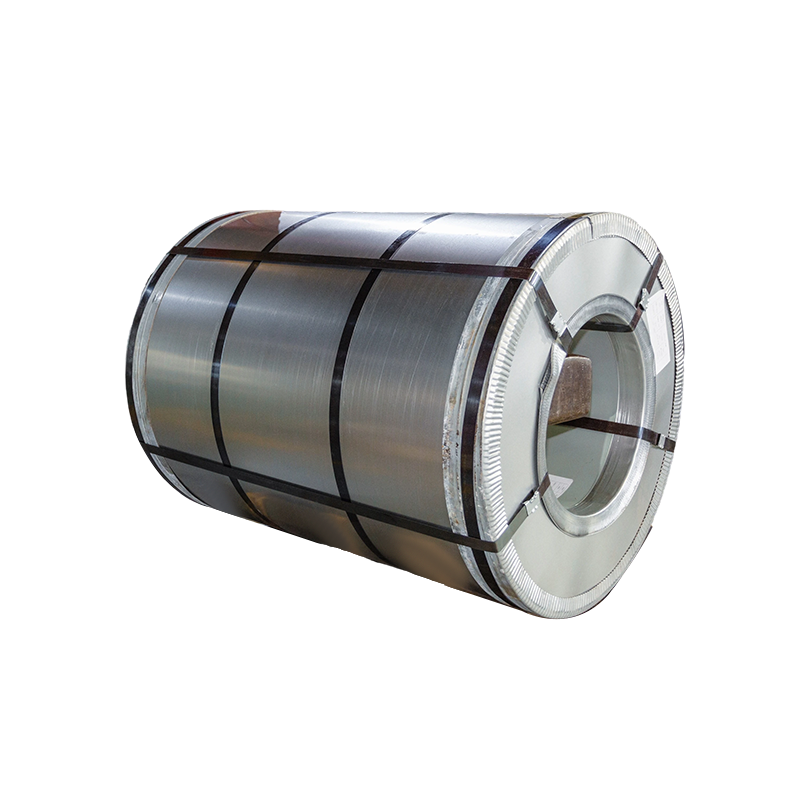
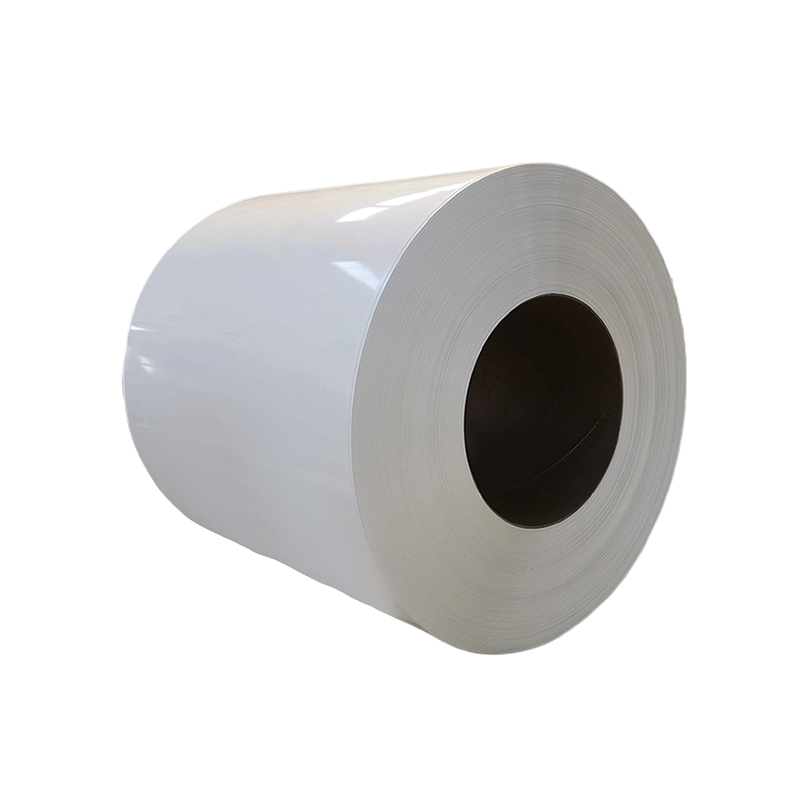
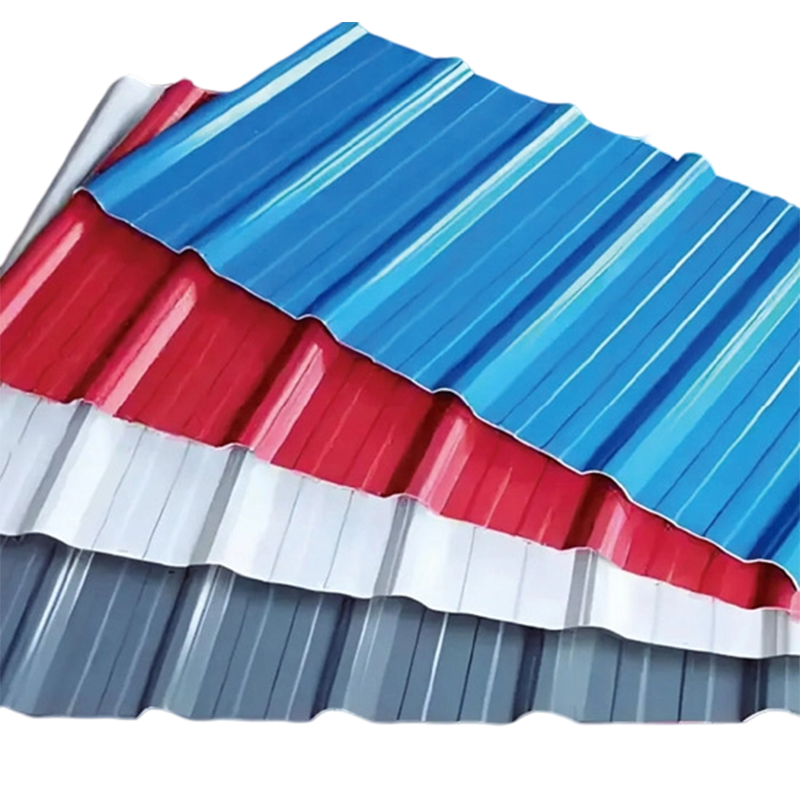
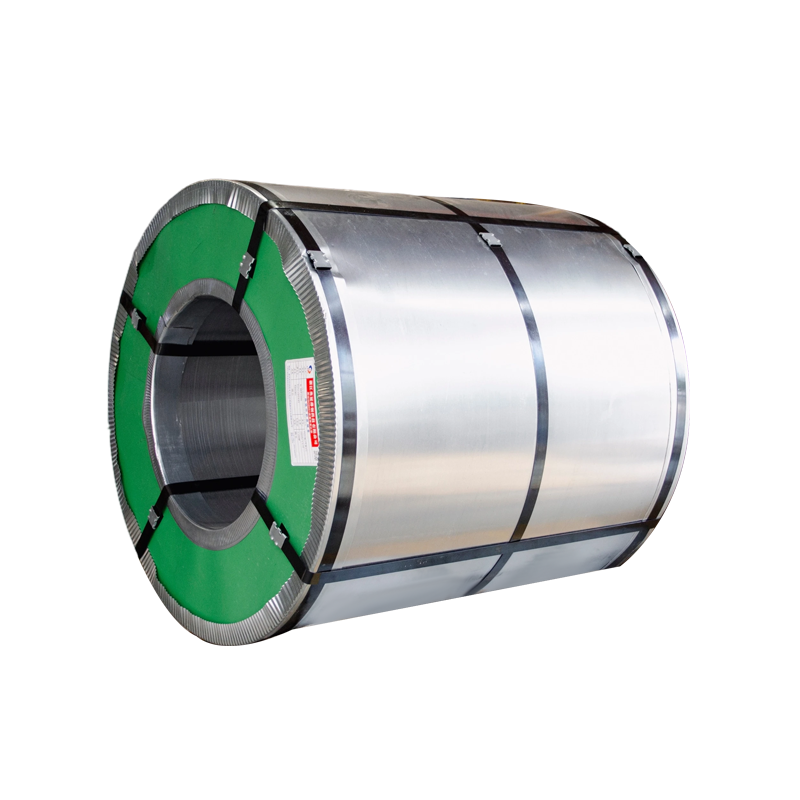
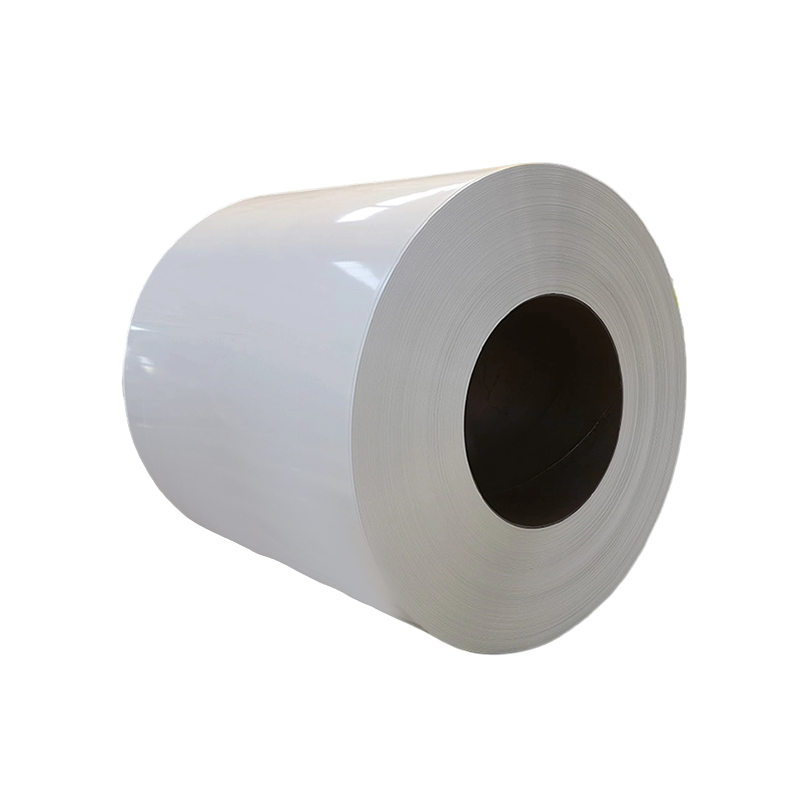
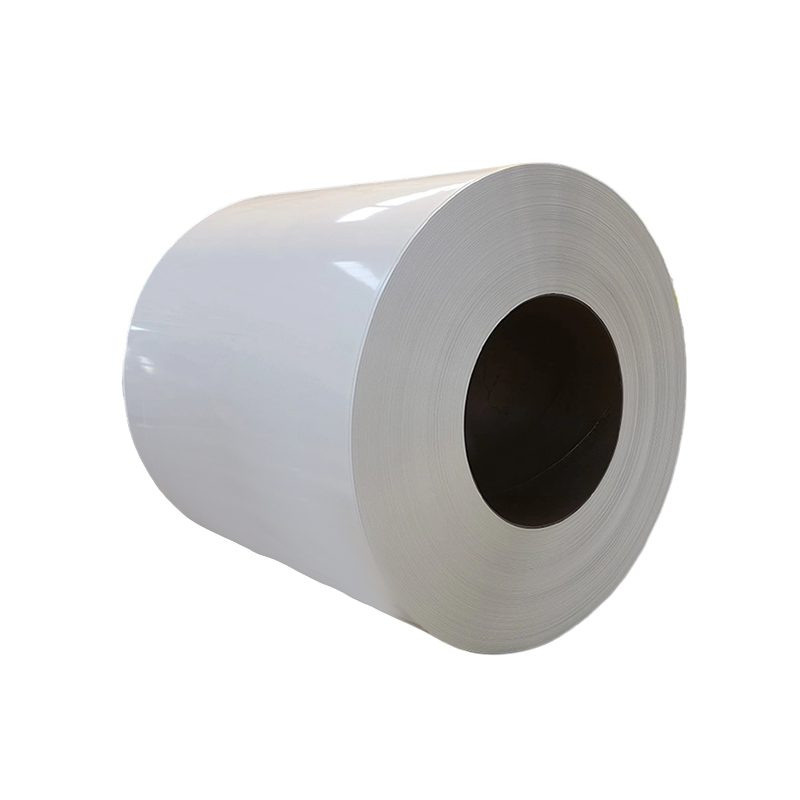
Color coated steel coils are the backbone of modern building envelopes, combining the structural strength of steel with aesthetic versatility and corrosion protection. The two dominant variants in this category—PPGI (Pre-Painted Galvanized Iron) and PPGL (Pre-Painted Galvalume)—differ fundamentally in their metallic coating composition, and that difference has profound implications for project performance.
PPGI uses a pure zinc coating applied through hot-dip galvanizing. This zinc layer provides sacrificial protection, corroding preferentially to shield the underlying steel. PPGL, by contrast, uses an aluminum-zinc alloy coating containing 55% aluminum, 43.4% zinc, and 1.6% silicon. This aluminum-rich coating forms a dense oxide barrier that dramatically enhances corrosion resistance and heat tolerance.
Core Operating Principles
The protective function of color coated steel coils operates on three interconnected principles that determine long-term performance:
Sacrificial Protection
In PPGI, zinc corrodes preferentially to protect the steel substrate. This galvanic action is effective but ultimately consumes the coating over time, limiting service life in aggressive environments.
Barrier Protection
In PPGL, aluminum oxide forms a dense, impermeable layer that physically prevents corrosive elements from reaching the steel. This barrier is self-healing and provides durable, long-term protection.
Reflective Thermal Performance
PPGL's aluminum content reflects up to 85% of solar radiation, reducing heat absorption and improving building energy efficiency. PPGI's lower reflectivity (40-60%) results in higher cooling loads.
Technical Specifications
The following parameters define the performance envelope of each material system. These values guide material selection, design validation, and quality assurance procedures.
| Parameter | PPGI (Galvanized) | PPGL (Galvalume) |
|---|---|---|
| Coating Composition | 99% Zinc | 55% Al, 43.4% Zn, 1.6% Si |
| Coating Weight | Z100-Z275 g/m² | AZ30-AZ150 g/m² |
| Corrosion Resistance | Moderate (inland use) | Excellent (2-5× better) |
| Heat Resistance | Moderate | Up to 315°C |
| Heat Reflectivity | 40-60% | 75-85% |
| Service Life (Standard) | 7-10 years | 20-25+ years |
| Ideal Application | Dry inland, interior | Coastal, humid, industrial |
Application Environments
Each material variant serves distinct environments based on its corrosion protection performance and thermal characteristics.
- Coastal PPGL is the only viable choice for coastal construction. Salt spray and high humidity will rapidly degrade PPGI, while PPGL's aluminum barrier provides robust protection.
- Industrial In manufacturing zones with airborne contaminants, PPGL's chemical resistance and heat tolerance make it the preferred material for roofing and cladding.
- Commercial For shopping centers, offices, and public buildings, PPGL with PVDF coating offers superior color retention and visual longevity over decades of service.
- Residential PPGI provides adequate protection for homes in dry inland areas, offering cost-effective performance for roofing and fencing applications.
- Agricultural In livestock and crop storage facilities, PPGI's cost advantage makes it a practical choice where environmental corrosion risk is low.
Comparative Analysis: PPGI vs. PPGL
The selection between PPGI and PPGL involves trade-offs across multiple dimensions. The following comparison provides a structured basis for evaluation.
| Characteristic | PPGI | PPGL |
|---|---|---|
| Initial Cost | Lower | Higher |
| Corrosion Resistance | Moderate | Excellent (2-5×) |
| Heat Reflectivity | 40-60% | 75-85% |
| Heat Resistance | Moderate | Up to 315°C |
| Service Life | 7-10 years | 20-25+ years |
| Edge Creep Resistance | Moderate | Excellent |
| Color Retention | Moderate | Excellent |
| Cost per Year (Lifecycle) | Moderate | Lower |
| Suitability for Coastal | Poor | Excellent |
Selection Criteria
Determining the appropriate color coated steel coil requires systematic evaluation of project parameters and performance requirements.
- Location Coastal or industrial environments demand PPGL. Inland residential and commercial projects can use PPGI with adequate protection.
- Climate In hot climates, PPGL's heat reflectivity reduces cooling costs and improves building energy performance. In cooler regions, the difference is less significant.
- Design Life For structures expected to last 20 years or more, PPGL with HDP or PVDF coating provides better long-term value. For temporary or short-term structures, PPGI offers cost efficiency.
- Aesthetic Standards Brand-critical buildings or landmark projects benefit from PVDF-coated PPGL's exceptional color retention and resistance to chalking and fading.
- Budget PPGI is the more economical choice for projects where initial cost is the primary consideration and exposure conditions are mild.
Coating Options and Their Impact
Both PPGI and PPGL can be finished with various organic coatings, each with distinct performance characteristics and service life.
- PE Polyester coating offers good adhesion and formability with a wide color range. Service life: 7-10 years. Best for general building and interior applications.
- SMP Silicon Modified Polyester provides good abrasion and heat resistance. Service life: 10-12 years. Ideal for standard exterior applications.
- HDP High Durability Polyester delivers excellent color retention and UV resistance. Service life: 10-15 years. Cost-effective for high-performance exteriors.
- PVDF Polyvinylidene Fluoride offers exceptional color retention, UV resistance, and dirt resistance. Service life: 20-25+ years. Premium choice for coastal, landmark, and architectural projects.
Common Selection Errors
Awareness of recurring errors enables proactive prevention and optimal material specification.
- Coastal Misapplication Specifying PPGI for coastal projects leads to premature corrosion, rust streaking, and costly remediation. PPGL is essential in salt-spray environments.
- Coating Mismatch Using PE coating for high-UV exposure areas accelerates fading and chalking. HDP or PVDF coatings are required for demanding conditions.
- Heat Ignorance Overlooking heat reflectivity differences results in higher cooling costs and reduced energy efficiency. PPGL's 75-85% reflectivity outperforms PPGI's 40-60%.
- Short-Term Thinking Choosing lower cost PPGI for long-life structures increases total lifecycle cost through more frequent replacement and maintenance.
Inspection and Maintenance
A systematic inspection program preserves the protective performance of color coated steel coils across their service life.
- Visual Inspection Periodically examine surfaces for scratches, edge creep, or coating damage that could compromise corrosion protection.
- Corrosion Monitoring Check for rust formation, particularly at cut edges, fasteners, or areas where the coating has been breached.
- Cleaning Wash surfaces with mild detergent and water to remove dirt, salt deposits, or contaminants that could accelerate corrosion.
- Fastener Integrity Ensure all fasteners remain secure and are compatible with the coated steel to prevent galvanic corrosion.
- Coating Touch-Up Apply compatible touch-up paint to any exposed steel edges or scratches to restore protection.
Conclusion
The choice between PPGI and PPGL color coated steel coils is a decision that directly impacts project durability, energy efficiency, and total cost of ownership. PPGI offers a cost-effective solution for dry inland applications where moderate corrosion protection is sufficient. PPGL provides superior performance for demanding environments, delivering 2-5 times better corrosion resistance, up to 315°C heat tolerance, and 75-85% heat reflectivity for improved energy efficiency.
When specified correctly, color coated steel coils provide decades of reliable service. The key is to match the material to the environment: PPGL for coastal, industrial, or high-heat conditions; PPGI for inland applications where budget is the primary driver. Understanding this fundamental distinction ensures optimal performance and value for every building project.
Frequently Asked Questions
PPGI uses a pure zinc coating as its corrosion protection layer, while PPGL uses an aluminum-zinc alloy coating (55% aluminum, 43.4% zinc, 1.6% silicon). This aluminum content gives PPGL significantly better corrosion and heat resistance than PPGI, with 2-5 times better performance in harsh environments.
PPGL generally lasts much longer, especially in harsh or coastal environments. PPGL's aluminum-zinc coating provides 2-5 times better corrosion resistance than PPGI, extending service life significantly. PPGL with PVDF coating can last 20-25+ years, compared to PPGI's 7-10 year service life.
If your project faces heat, humidity, salt exposure, or high visual standards, PPGL returns more value through reduced maintenance and longer service life. For dry inland projects with moderate performance requirements, PPGI offers better cost efficiency. The lifecycle cost of PPGL is often lower due to reduced replacement frequency.
Common coating types include PE (Polyester) for general applications, SMP (Silicon Modified Polyester) for improved durability, HDP (High Durability Polyester) for high UV resistance, and PVDF (Polyvinylidene Fluoride) for premium performance with 20+ year service life. Each offers different cost and performance characteristics.
PPGI can be used outdoors, but it is not recommended for coastal or high-humidity areas where corrosion risk is elevated. PPGL is the preferred choice for these environments due to its superior corrosion resistance. In coastal conditions, PPGI may develop rust within 3-5 years, while PPGL can last 20+ years.
PPGL's heat reflectivity (75-85%) is significantly higher than PPGI's (40-60%). This means buildings with PPGL roofs stay cooler in summer, reducing air conditioning demand and lowering energy costs. In hot climates, this difference can reduce cooling energy consumption by 10-15%.
Edge creep occurs when corrosion spreads from cut edges or drilled holes into the surface of the coated steel. PPGL has excellent edge creep resistance due to its aluminum-zinc coating, while PPGI is more susceptible. This makes PPGL particularly valuable for applications requiring punched or cut profiles.
Regular maintenance includes periodic visual inspection for damage, cleaning with mild detergent and water to remove contaminants, checking fastener integrity, and applying touch-up paint to any scratches or exposed edges. Regular cleaning is particularly important in coastal or industrial environments.