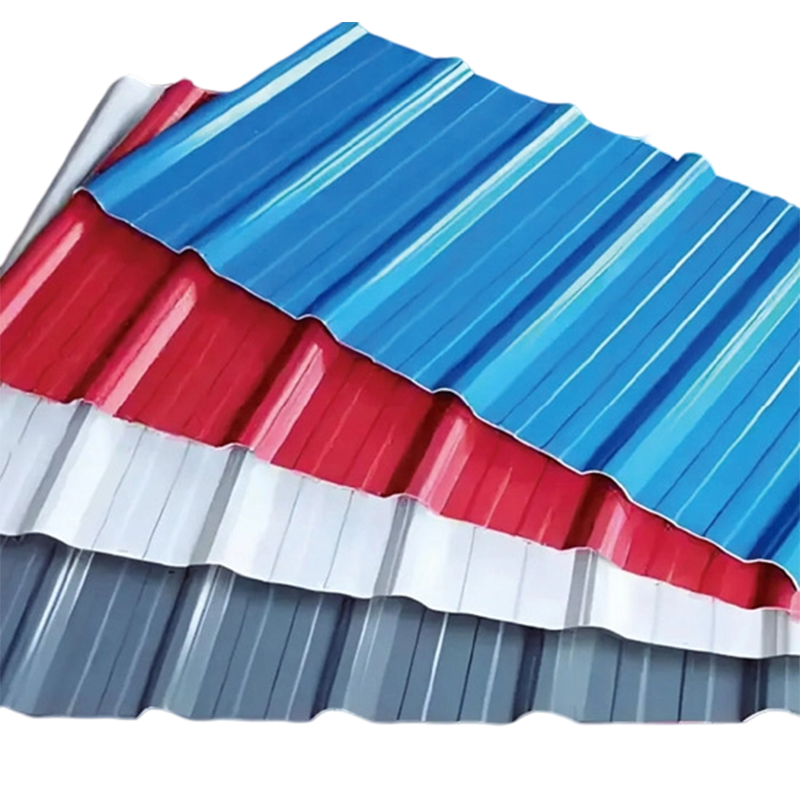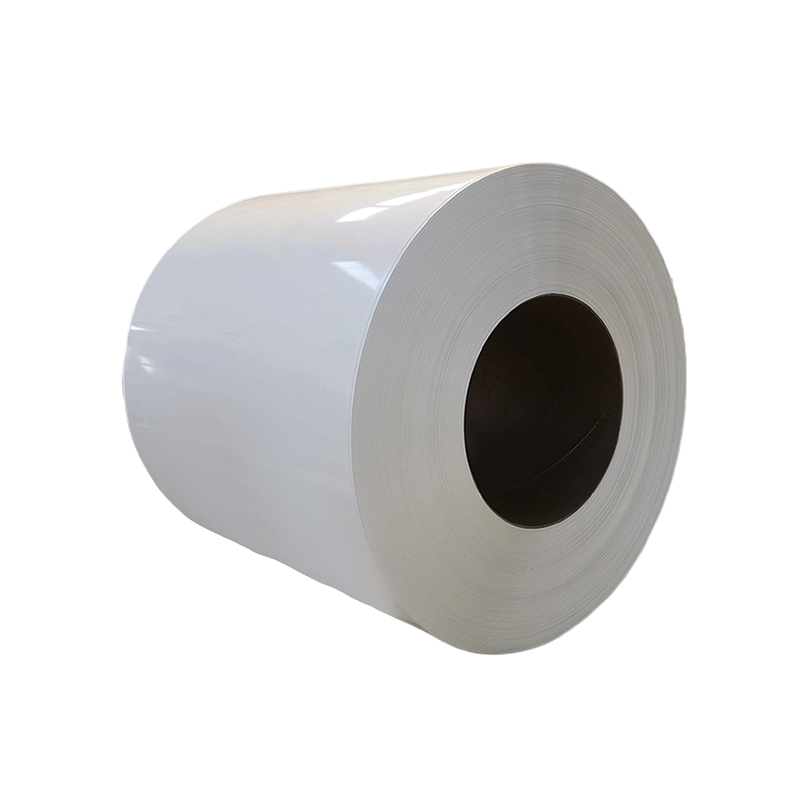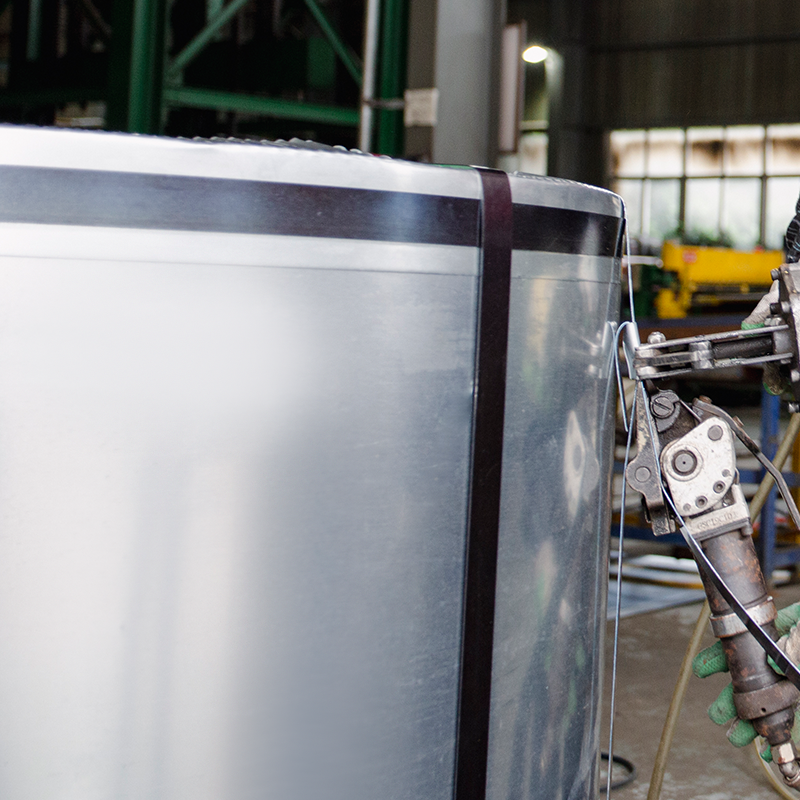
Two roofing coil quotations can show the same paint code, the same 0.5 mm substrate, and still sit 6 to 8 percent apart on price. The variable behind that gap is almost always the metallic coating: one order is PPGI, pre-painted galvanized steel, and the other is PPGL, pre-painted Galvalume steel.
The premium for PPGL buys corrosion resistance, but whether a project actually needs that reserve depends on climate, roof detailing and design life. This comparison of PPGI vs PPGL for roofing corrosion resistance covers the substrate chemistry, the salt-spray and exposure data behind service-life claims, the paint systems stacked on top, and a five-step checklist for matching coil to climate.
Content
The corrosion difference is settled before any paint is applied: PPGI starts from a galvanized substrate, PPGL from an aluminum-zinc substrate, and the two metallic coatings protect steel in chemically different ways.
PPGI is prepainted galvanized steel: cold-rolled strip hot-dip coated with nearly pure zinc, typically Z275 (275 g/m2 of coating mass), then primed and top-coated on a coil line. PPGL is prepainted Galvalume steel: the same painting process applied over a coating of 55% aluminum, 43.4% zinc and 1.6% silicon, typically AZ150 (150 g/m2). The paint layers are usually identical in kind, so the substrate is where the corrosion story diverges.
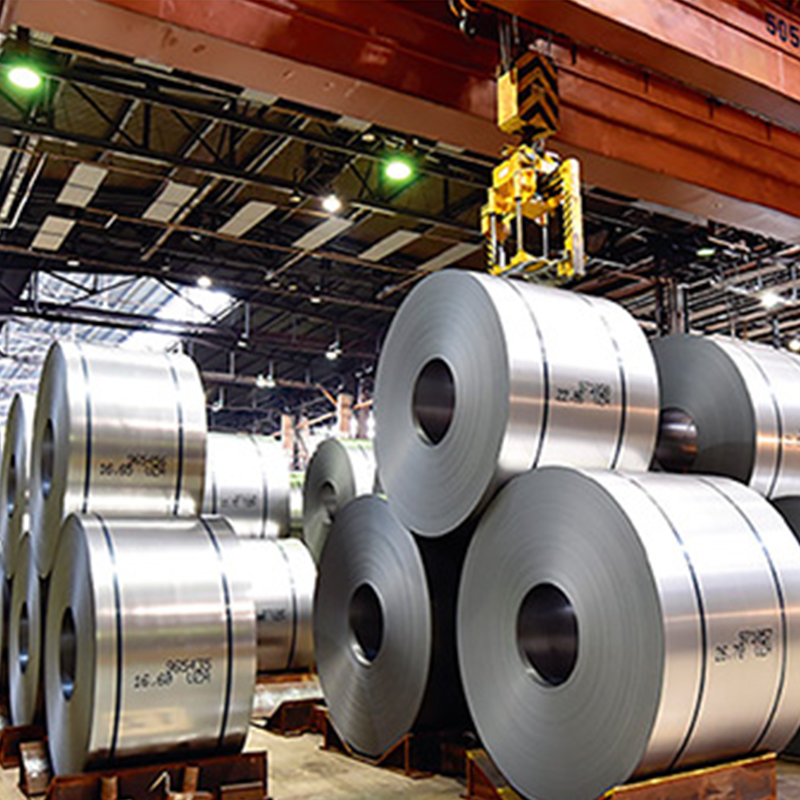 Aluzinc Steel Coil (GL) with 55% Al-Zn CoatingA 55% aluminum, 43.4% zinc, 1.6% silicon coated coil, commonly AZ150. The preceding discussion of PPGI versus PPGL makes it the relevant substrate here, since AZ150 outlasts Z275 in salt-spray and atmospheric exposure testing.View Product →
In neutral salt-spray screening and long-term atmospheric exposure programs, AZ150 substrate reaches first red rust roughly two to three times later than equivalent Z275 substrate, and the gap widens as the environment turns harsher.
A galvanized coating corrodes uniformly and sacrifices itself, so coating mass disappears steadily from the day of installation. In Galvalume, the aluminum fraction forms a self-sealing oxide film that acts as a barrier while the zinc fraction still protects exposed steel. ASTM B117 neutral salt-spray screening shows the same pattern: unpainted thin galvanized panels can show red rust within a few hundred hours, while AZ150 panels hold out several times longer under identical conditions.
Zinc mass is the second lever. Buying down from Z275 to lighter coatings removes exactly the reserve that shields the panel, so coating mass and film thickness should be read together on every quotation; a practical starting point is this guide to calculating zinc coating and paint film thickness.
PPGL wins the corrosion contest, yet PPGI keeps three practical advantages that decide real purchase orders: sacrificial cut-edge protection, lower cost and fabrication familiarity.
The organic coating can move service life by a factor of two in either direction, which is why an AZ150 coil under a thin, cheap topcoat can underperform a well-painted Z275 panel.
A coil line applies a 5 to 7 micron epoxy or polyurethane primer first, then a topcoat whose resin class sets the corrosion and UV ceiling for the whole system.
| Coating system | Typical total film | Corrosion ceiling | Best-fit environment |
| PE (polyester) | 20-25 microns | Standard | Rural inland, low-salt air |
| SMP (silicone-modified polyester) | 25-30 microns | Enhanced | Urban and light industrial zones |
| HDP (high-durability polyester) | 28-35 microns | High | Industrial zones, moderate coastal |
| PVDF (polyvinylidene fluoride) | 30 microns and above | Premium | Coastal marine, high UV, long design life |
End-use details close the loop: pitch, drainage and fastener sealing matter as much as resin class, and the roller-forming demands of color coated roofing sheet production decide which systems a profiling line can actually run.
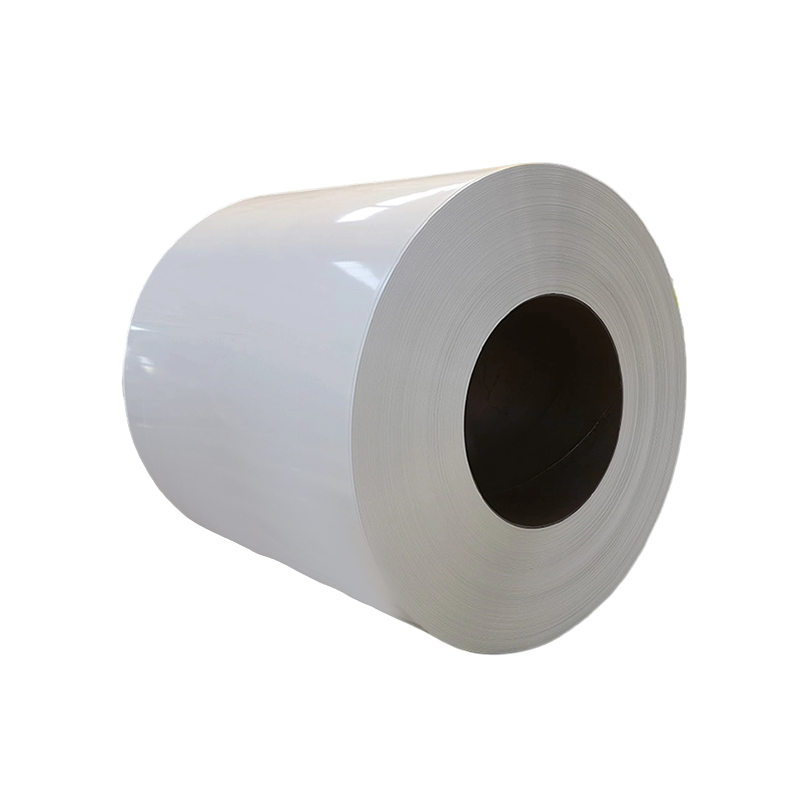 PVDF Coated Coil for Demanding Architectural CladdingA premium coil with durable PVDF resin topcoat offering strong UV, acid rain, and salt spray resistance plus long color retention. As the article turns to roofing and profiling-line constraints, it represents the top resin class worth considering.View Product →
 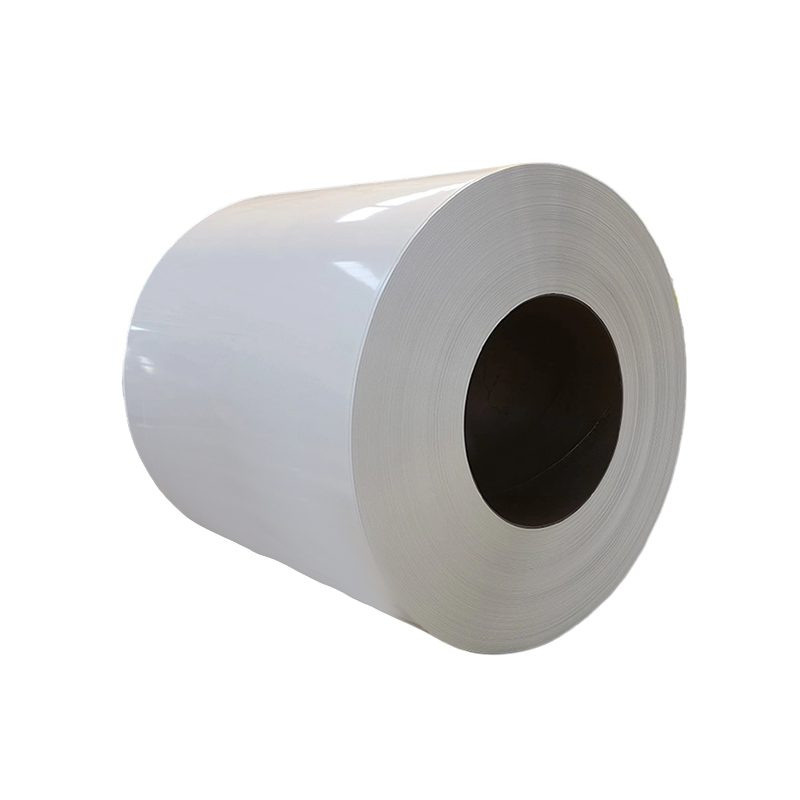 High Weatherability (HDP) Color Coated CoilHDP coated coils sit between standard polyester and PVDF in performance and cost, typically on Galvalume substrate for building envelopes. In the roofing context described, they offer a balanced, cost-effective durability option.View Product →
Procurement teams avoid most corrosion disputes by running the same five checks before a coil order is released.
Often not. If the site sits far from the coast, the design target is 15 to 20 years and the paint system is SMP or better, Z275 PPGI usually delivers the required life at lower cost. PPGL earns its premium where corrosion reserve, high UV or 25-year-plus design lives dominate the specification.
Only indirectly. Darker colors run hotter, which accelerates coating aging, but resin class and total film thickness govern corrosion far more than pigment. A light-colored 25 micron PVDF system will outlast a dark 20 micron polyester on the same site.
Avoid direct contact between the two in wet service. Zinc is less noble than the aluminum-zinc surface, so a galvanized panel coupled to Galvalume in a damp lap corrodes faster than it would alone. Keep runs consistent or isolate transitions with compatible sealants and isolation washers.
Check the mill certificate for substrate type and coating mass (Z275 or AZ150), sample film thickness on both faces with a magnetic gauge against the agreed schedule, and review bend and adhesion reports from the coil line. Third-party sampling can be written into the contract for large orders.
Address
No. 166, South Baigongqiao Road, Economic and Technological Development Zone, Nanhu District, Jiaxing City, Zhejiang Province, China
Phone Number
+86-15021696188
Products
+86-15021696188
Mobile terminal



 English
 Français
 Español
 عربى
عربى