Content
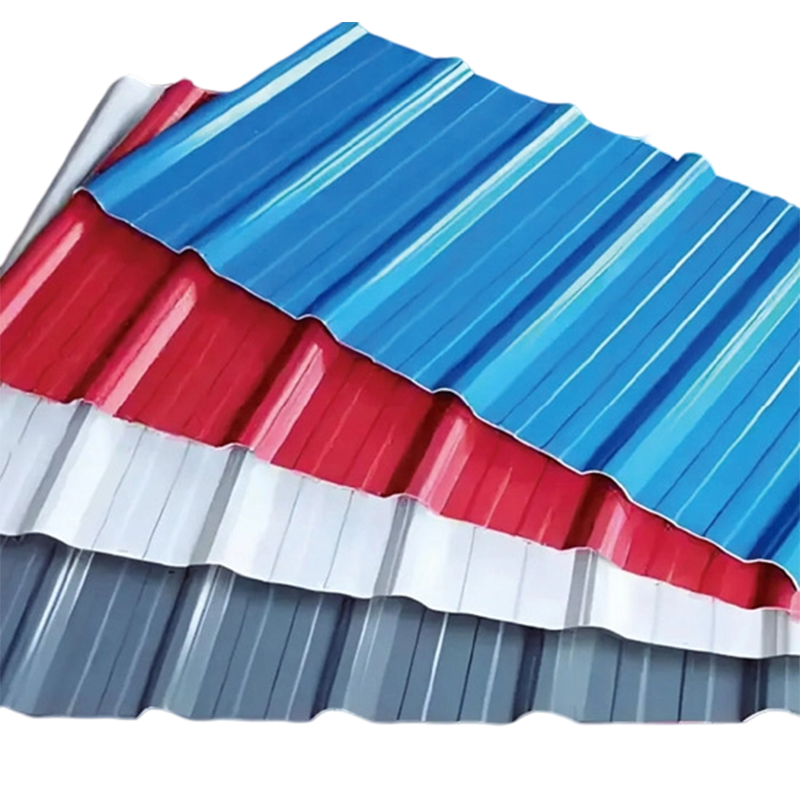
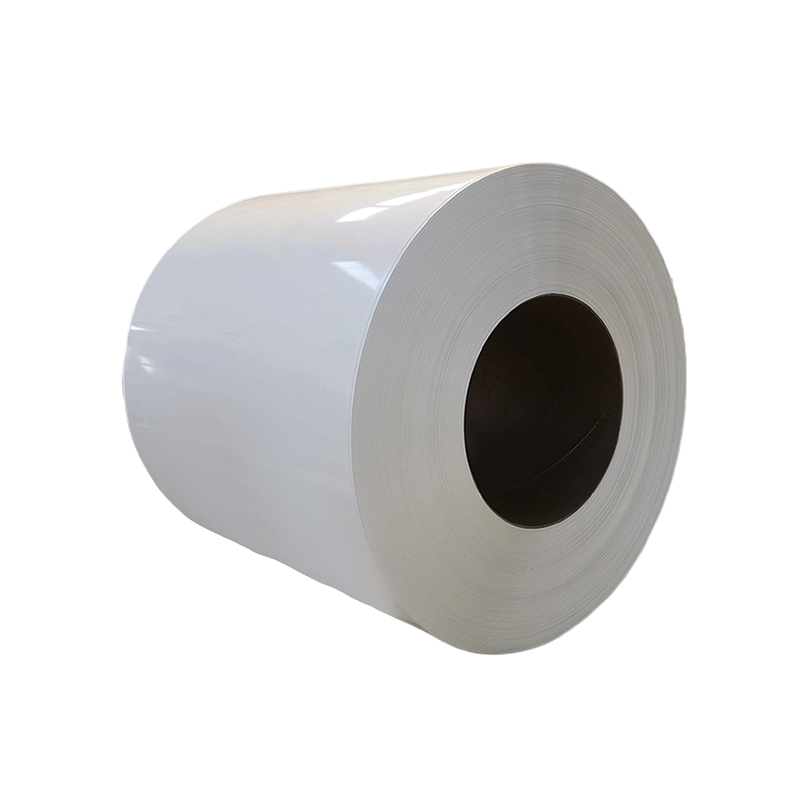
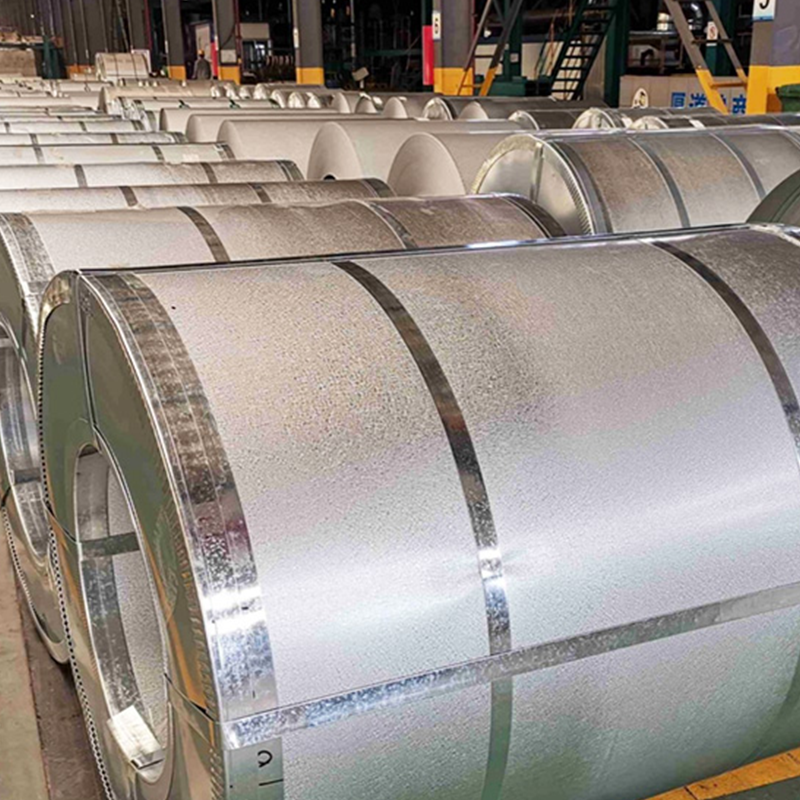
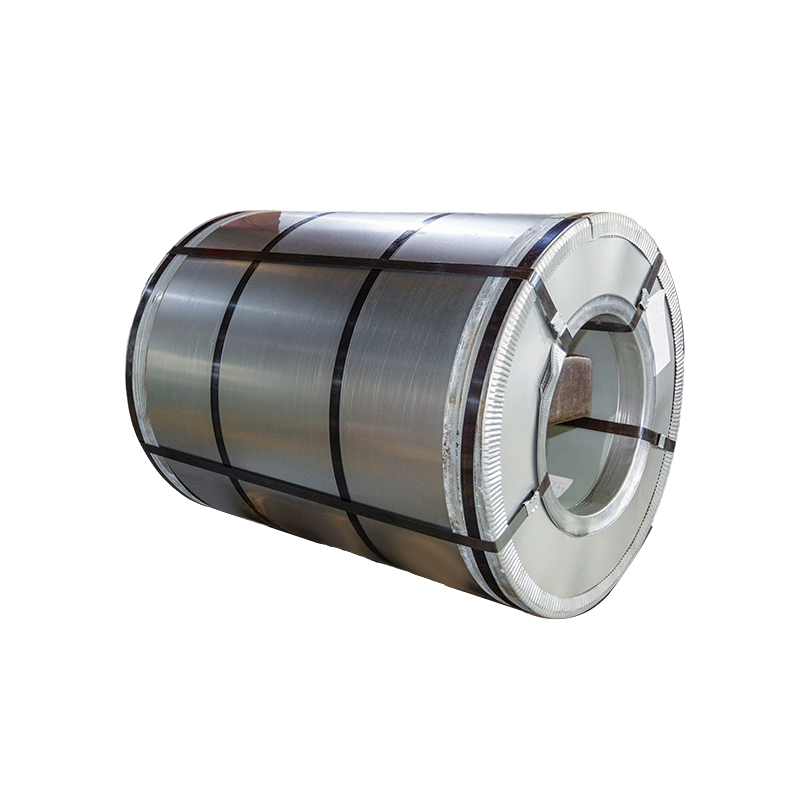
PPGI/PPGL coil skid protection refers to the engineered packaging systems designed to prevent physical damage, surface abrasion, and load shifting during the transportation and handling of pre-painted galvanized and galvalume steel coils. Unlike standard steel coil packaging, skid protection specifically addresses the vulnerability of the painted surface finish, which can be compromised by even minor friction or impact during transit.
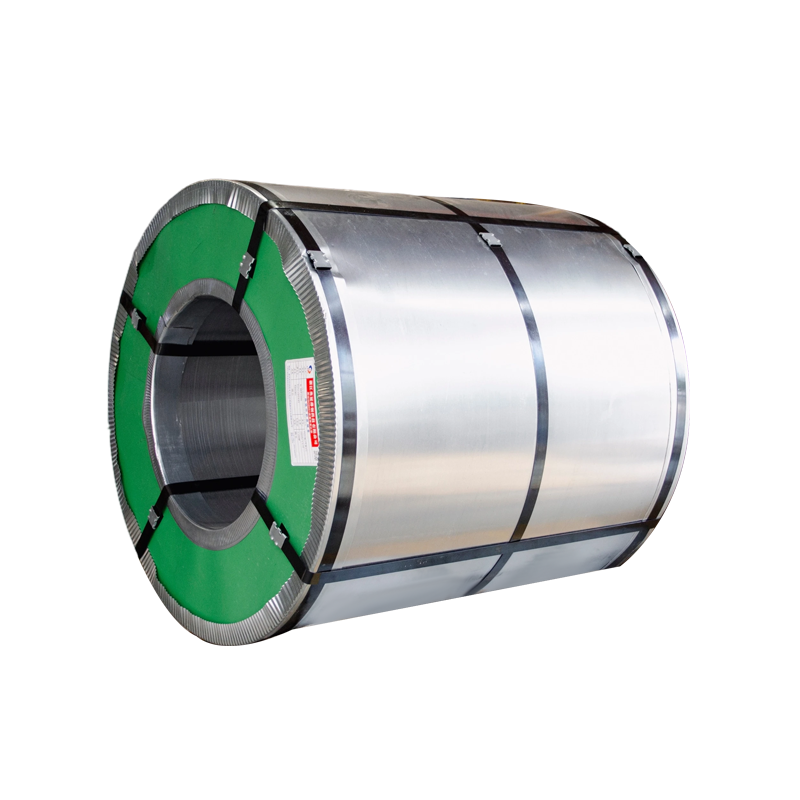
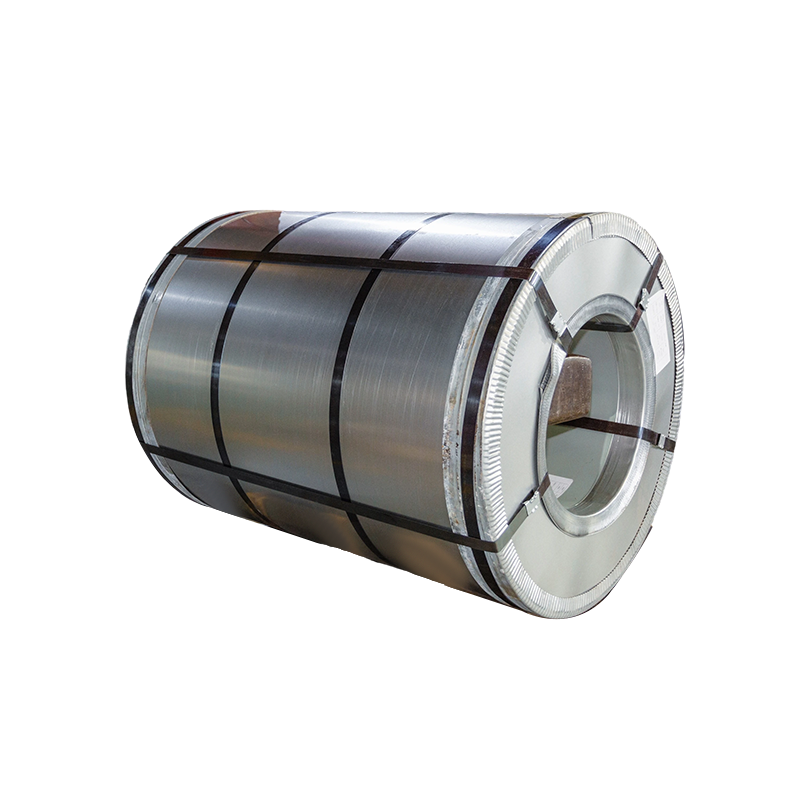
Skid protection encompasses multiple layers of defense, including base supports, cushioning materials, edge guards, and securing mechanisms. The system is designed to absorb shock, distribute weight evenly, and maintain coil integrity from the production line to the final destination. For manufacturers and distributors handling PPGI and PPGL coils, skid protection is not merely a packaging consideration but a critical quality assurance measure that directly impacts product acceptance and customer satisfaction.
The painted surface of PPGI and PPGL coils represents a significant value addition, and any damage during transit translates to immediate financial loss. Skid protection systems are therefore engineered with precision to address the specific vulnerabilities of coated steel products, including scratch resistance, edge protection, and moisture barrier properties.
PPGI/PPGL coil skid protection solutions typically combine rigid structural elements with flexible cushioning materials to create a comprehensive protective envelope around each coil.
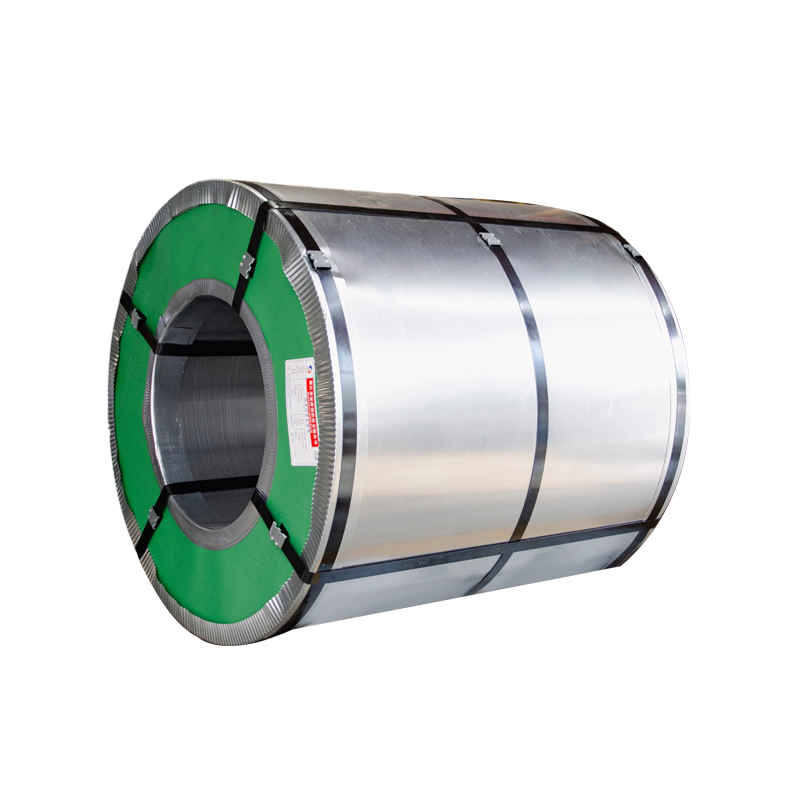
The working principle of PPGI/PPGL coil skid protection is based on a multi-tiered approach that addresses different types of potential damage. The system operates on three fundamental levels: load distribution, surface isolation, and movement restriction.
Load Distribution: The base support structure, typically comprising timber or engineered wood products, is designed to spread the coil weight evenly across the transport surface. This prevents point loading that could deform the coil or damage the floor of the shipping container or truck bed. The skid base incorporates carefully calculated bearing surfaces that match the coil's contact area, ensuring the weight is transferred without creating stress concentrations.
Surface Isolation: Between the coil and any rigid support structure, protective layers of cushioning materials are placed. These materials, often comprising foam, rubber, or specialized paper products, create a physical barrier that prevents direct metal-to-metal or metal-to-wood contact. This isolation is critical for PPGI and PPGL coils because the painted surface is susceptible to scratching, marring, and pressure marking.
Movement Restriction: Securing mechanisms, including strapping, banding, and blocking elements, work together to restrict coil movement during transit. These components are carefully tensioned to hold the coil firmly without applying excessive pressure that could damage the painted surface. The securing system is designed to withstand the dynamic forces encountered during shipping, including acceleration, braking, and cornering forces.
The effectiveness of PPGI/PPGL coil skid protection depends on several technical parameters that must be carefully specified and verified. Understanding these factors is essential for selecting the appropriate protection system for specific applications.
| Performance Factor | Specification Range | Impact on Protection |
|---|---|---|
| Base Load Capacity | 5 to 25 tons | Determines maximum coil weight the skid can safely support |
| Cushioning Material Density | 25 to 80 kg/m³ | Higher density provides better impact absorption but reduces compliance |
| Strapping Tensile Strength | 500 to 2000 N/mm² | Higher strength allows tighter securing without increasing width |
| Edge Protector Thickness | 3 to 10 mm | Thicker protectors better resist compression and maintain shape |
| Moisture Barrier Rating | MVTR below 5 g/m²/day | Lower moisture transmission prevents corrosion during ocean transit |
| Impact Resistance | Up to 5G deceleration | Determines ability to protect against handling shocks and drops |
The selection of appropriate specifications depends on several application-specific factors, including coil weight, transport mode, destination climate, and handling equipment availability. For example, coils destined for markets in tropical regions require enhanced moisture barriers and corrosion protection, while shipments to markets with extensive road transport networks demand greater impact resistance.
PPGI/PPGL coil skid protection is deployed across diverse transportation and logistics scenarios, each presenting unique challenges and requirements. Understanding these application scenarios helps in selecting the most appropriate protection system.
Several materials are available for PPGI/PPGL coil skid protection components, each with distinct advantages and limitations. The following comparison provides guidance for selecting the appropriate materials for specific applications.
| Material Type | Application | Advantages | Limitations | Cost Level |
|---|---|---|---|---|
| Hardwood | Skid base and blocking | High strength, excellent load capacity, reusable | Heavy, requires ISPM 15 treatment for export | Medium |
| Plywood | Skid deck and side panels | Uniform properties, good strength-to-weight ratio | Susceptible to moisture damage, limited reuse cycles | Medium |
| Engineered Wood Composite | Skid base and cushioning | Excellent shock absorption, lightweight | Higher cost, limited availability in some regions | High |
| Polyethylene Foam | Surface cushioning and edge protection | Excellent impact absorption, moisture resistant | Can compress permanently under heavy loads | Medium |
| Rubber | Anti-slip and vibration dampening | High friction coefficient, excellent vibration absorption | Heavy, can mark painted surfaces without barrier | Medium |
| Plastic Edge Protectors | Corner and edge protection | Lightweight, moisture resistant, reusable | Limited strength for heavy impacts, UV degradation | Medium |
| Steel | Strapping and structural framing | Highest strength, minimal profile | Heavy, can damage surfaces without padding | High |
Selecting the appropriate PPGI/PPGL coil skid protection system requires careful evaluation of multiple factors. The following considerations provide a framework for making informed decisions.
Proper installation of PPGI/PPGL coil skid protection is essential for achieving the desired protection level. The following procedures outline the recommended installation process.
Even experienced handlers can make mistakes when applying PPGI/PPGL coil skid protection. Awareness of common errors helps prevent costly damage.
While PPGI/PPGL coil skid protection is primarily a pre-shipment activity, ongoing inspection and maintenance practices can improve protection effectiveness.
PPGI/PPGL coil skid protection is a critical component of the steel coil supply chain, ensuring that pre-painted products arrive at their destination in pristine condition. The system combines structural support, surface isolation, and movement restriction to protect against the diverse forces encountered during transportation and handling.
Effective skid protection requires careful selection of materials and specifications based on coil characteristics, transport mode, destination climate, and handling conditions. Installation procedures must be followed precisely, and common mistakes must be avoided to ensure protection effectiveness.
PPGI/PPGL coil skid protection continues to evolve with developments in materials science and logistics technology. Understanding the principles and practices of skid protection enables manufacturers, distributors, and end users to minimize damage and maximize the value of their coated steel products.
Coil skid protection specifically addresses the prevention of surface damage, load shifting, and physical impact during handling and transport. Standard coil packaging primarily focuses on corrosion prevention and basic containment. Skid protection incorporates structural elements and cushioning materials designed to maintain the integrity of the painted surface, which is particularly important for PPGI and PPGL coils where surface quality represents a significant portion of the product's value.
Common materials include hardwood or engineered wood for base structures, polyethylene foam or rubber for cushioning, plastic or metal edge protectors for corner protection, and steel strapping for securing. The selection of materials depends on the specific application requirements, including coil weight, transport mode, and destination conditions.
Specification determination should consider coil dimensions and weight, transport mode, handling equipment available, destination climate, regulatory requirements, and cost constraints. Consulting with packaging specialists and conducting trial shipments with different protection configurations can help optimize specifications for specific applications.
ISPM 15 requires that all solid wood packaging materials used in international shipments be treated to eliminate pests. Treatment options include heat treatment (HT) to achieve a minimum wood core temperature of 56°C for 30 minutes, or methyl bromide fumigation (MB). Treated wood must be marked with the IPPC logo and certification information.
Many components of coil skid protection systems can be reused, including steel frames, certain types of edge protectors, and some base structures. However, cushioning materials and strapping typically require replacement after each use due to compression or damage. Reuse potential should be considered in the overall cost analysis when selecting protection systems.
Costs vary widely depending on coil weight, transport mode, material selection, and destination conditions. Basic skid protection systems may cost between USD 50 and USD 200 per coil, while specialized systems for heavy coils or demanding transport conditions may cost USD 300 or more. The cost should be considered against the potential cost of damage to determine appropriate protection levels.
Corrosion prevention requires a multi-layered approach combining moisture barriers, VCI (vapor corrosion inhibitor) materials, and desiccants. The skid protection system should incorporate moisture-resistant materials, sealed protective layers, and appropriate ventilation or desiccant placement to control internal humidity levels during transit.
Well-designed skid protection systems can actually improve loading efficiency by providing stable, stackable bases that maximize container utilization. However, oversized skids or excessive packaging can reduce container capacity. The optimal design balances protection requirements with space utilization to minimize overall shipping costs.
aoguanthinsteel@agtst.com
Address
No. 166, South Baigongqiao Road, Economic and Technological Development Zone, Nanhu District, Jiaxing City, Zhejiang Province, China
Phone Number
+86-15021696188
Products
+86-15021696188
Mobile terminal