


Defining the System
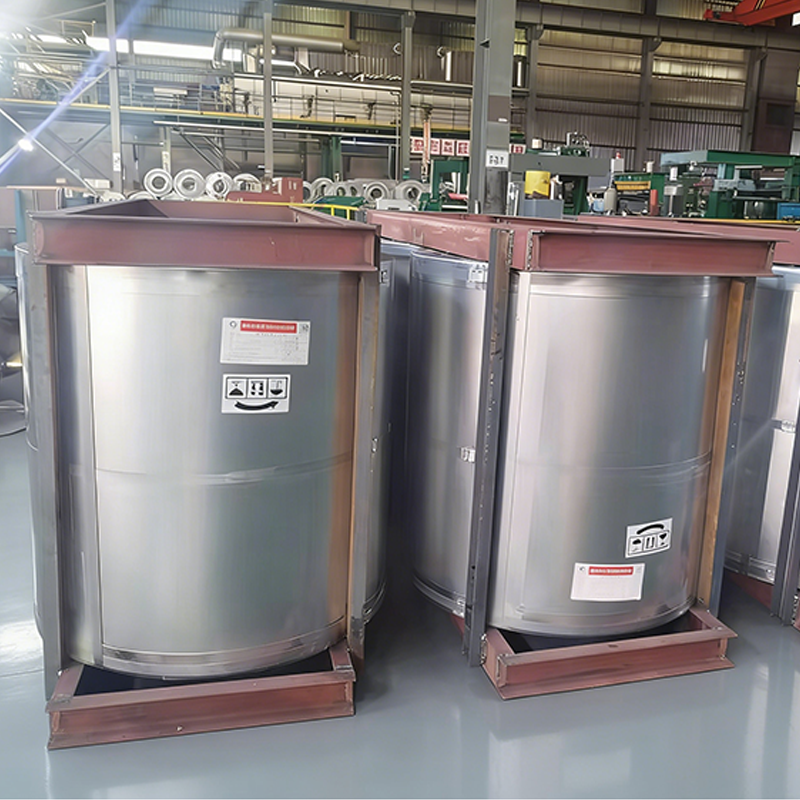
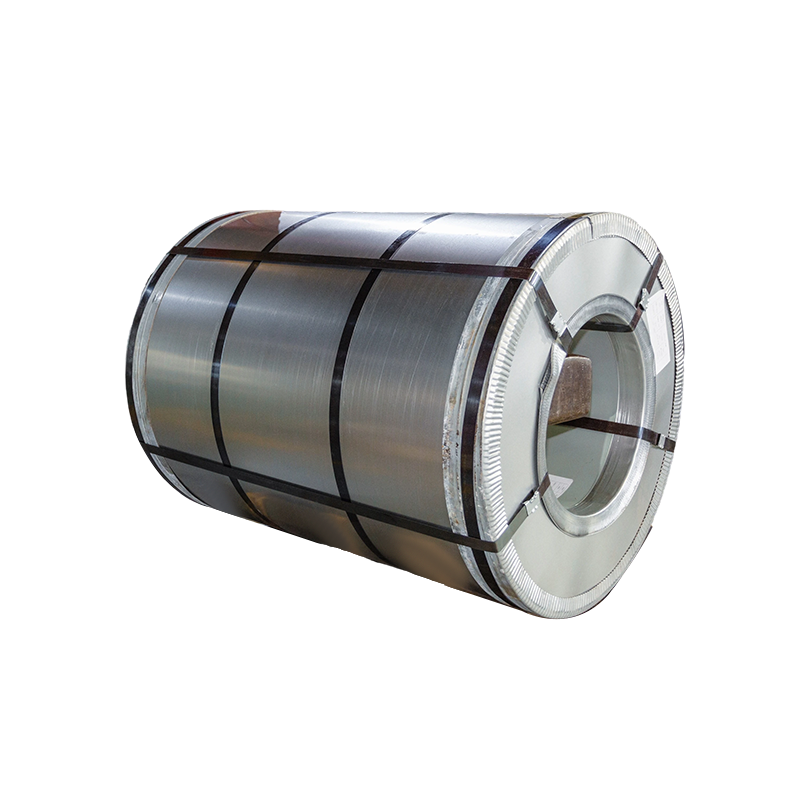
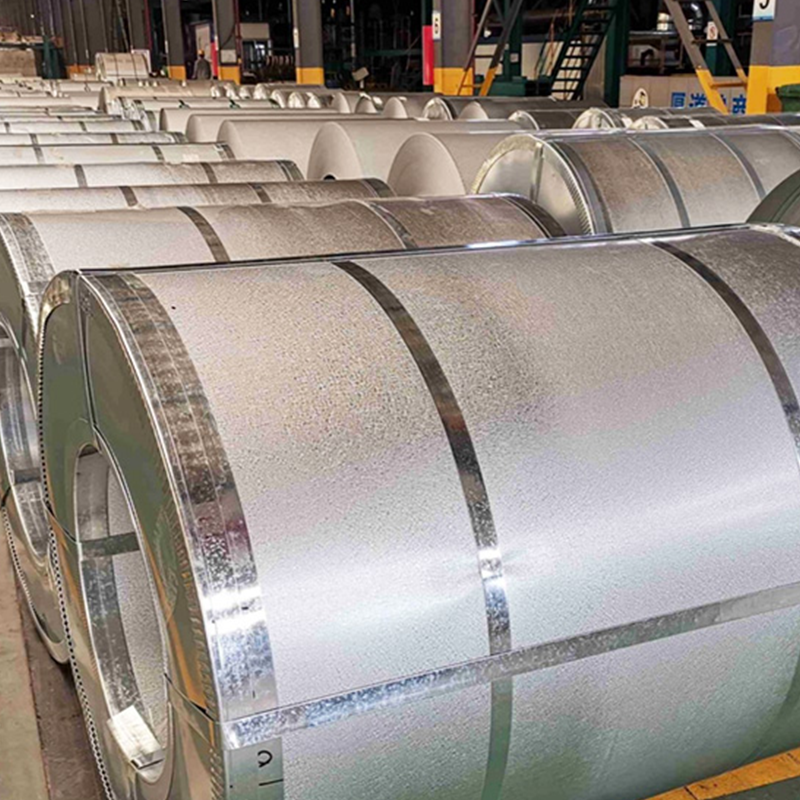
Steel frame steel coil packaging is a reusable, high-strength protection system designed for transporting steel coils in the 5 to 25 ton range. The system replaces expendable wooden skids with a welded or bolted steel structure that provides consistent mechanical performance across multiple shipping cycles. Each frame is engineered to distribute coil weight evenly, absorb transit vibrations, and secure the coil against movement in all directions.
The frame geometry is optimized for standard shipping containers, rail wagons, and truck beds, with integrated lifting points and fork pockets that facilitate safe handling. Cushioning materials at all contact points prevent surface damage, making the system suitable for coated products including PPGI and PPGL coils.
Core Operating Principles
The protective function of the steel frame system operates on three interconnected principles:
Distribution
Weight is spread across multiple bearing surfaces to eliminate point loading that could deform the coil or damage transport surfaces.
Absorption
Engineered cushioning materials dissipate impact energy and vibration, protecting the coil from handling shocks and road-induced forces.
Restraint
Strapping and mechanical stops lock the coil in position, preventing axial shift, rotation, and lateral movement during transit.
Technical Specifications
The following parameters define the performance envelope of steel frame packaging systems. These values guide material selection, design validation, and quality assurance procedures.
| Parameter | Standard Range | Performance Role |
|---|---|---|
| Steel Grade | Q235B / Q345B equivalent | Structural strength and fatigue resistance |
| Frame Mass | 160 kg - 420 kg | Freight cost and handling ergonomics |
| Rated Capacity | 5,000 kg - 25,000 kg | Maximum safe coil weight |
| Stacking Height | 2 - 4 tiers | Warehouse and container storage efficiency |
| Cushioning Density | 35 kg/m³ - 85 kg/m³ | Impact absorption effectiveness |
| Strap Tensile Strength | 900 N/mm² - 1900 N/mm² | Securing integrity under dynamic loads |
| Lifting Point Rating | 3 T - 10 T per point | Safe handling capacity |
Application Environments
Steel frame packaging is deployed across multiple logistics contexts, each with specific demands on frame design and performance.
- Container Frames are dimensioned for 20ft and 40ft containers, with narrow profiles enabling side-by-side loading and base designs that ensure stable floor contact.
- Break-Bulk Stackable frame designs allow tiered loading in cargo holds, with corner castings and alignment guides for safe multi-tier stowage.
- Road Transport Integrated fork pockets and crane points enable efficient loading bay operations, while low center-of-gravity designs reduce rollover risk.
- Rail Shipping Robust construction withstands longitudinal impact forces from rail coupling operations, including deceleration events exceeding 5G.
- Storage Stackable designs maximize warehouse space utilization while maintaining coil accessibility for inventory management.
Comparative Analysis: Steel Frame vs. Wooden Skid
The selection between steel frame and wooden skid packaging involves trade-offs across multiple dimensions. The following comparison provides a structured basis for evaluation.
| Characteristic | Steel Frame | Wooden Skid |
|---|---|---|
| Unit Weight | 160-420 kg | 40-120 kg |
| Load Capacity | 5-25 T | 3-10 T |
| Reuse Cycles | 15-25 | 1-3 |
| Impact Resistance | High | Moderate |
| Moisture Tolerance | Excellent | Poor |
| ISPM 15 Required | No | Yes |
| Initial Cost | High | Low |
| Per-Use Cost (Lifecycle) | Low | Moderate-High |
| Stacking Efficiency | Excellent | Good |
| Customization Scope | Broad | Moderate |
Selection Criteria
Determining the appropriate steel frame packaging solution requires systematic evaluation of operational parameters and logistics constraints.
- Coil Characteristics Weight, diameter, width, and surface sensitivity dictate frame size, cushioning requirements, and structural reinforcement.
- Transport Profile The dominant shipping mode — ocean, rail, or road — determines impact resistance specifications and securing system design.
- Handling Infrastructure Forklift capacity, crane availability, and dock configurations influence pocket dimensions and lifting lug placement.
- Destination Conditions Climate, storage practices, and handling methods at the receiving location affect material selection and corrosion protection.
- Return Logistics For reusable frames, return shipping feasibility and cost must be evaluated, including knockdown or nesting capability.
Installation Procedure
Consistent application of proper installation procedures is essential for achieving the full protective potential of the steel frame system.
- Inspection Verify frame structural integrity, cushioning placement, and strapping material condition before beginning assembly.
- Positioning Place the coil onto the frame base with precise alignment to cushioning supports, ensuring the center of gravity aligns with the frame's load axis.
- Cushioning Confirm that protective padding fully covers all coil-to-frame contact interfaces, adjusting positions to eliminate gaps.
- Edge Protection Install protective guards on all exposed coil edges that could contact the frame or strapping.
- Securing Apply strapping with calibrated tension tools to achieve consistent pressure without exceeding the coil's surface tolerance.
- Verification Confirm lifting lug accessibility and rating markings, then conduct a final inspection for correct assembly.
Common Installation Errors
Awareness of recurring errors enables proactive prevention and consistent packaging quality.
- Dimension Mismatch Using a frame designed for different coil dimensions results in inadequate support, localized stress, and increased damage risk.
- Insufficient Padding Cushioning that is too thin or has inadequate compressive strength permits metal-to-metal contact under dynamic loads.
- Over-Tensioning Excessive strapping pressure can indent coil surfaces, particularly on pre-painted materials requiring surface integrity.
- Edge Protection Omission Missing edge protectors allow strapping to contact coil edges directly, causing localized damage.
- Lifting Point Misuse Incorrect lifting point use or exceeding rated capacity can cause structural failure and personnel injury.
Inspection and Maintenance
A systematic inspection program preserves the protective performance of steel frames across multiple use cycles.
- Pre-Use Inspection Examine frames for structural damage including cracks, bending, and weld separation. Withdraw damaged frames for repair or replacement.
- Cushioning Assessment Evaluate for compression set, tearing, or contamination. Replace materials that have lost protective capacity.
- Strapping Check Inspect for wear, kinking, or corrosion. Replace compromised strapping before installation.
- Corrosion Monitoring Examine steel surfaces for rust, particularly on frames used in coastal or humid environments. Apply protective coatings as needed.
- Lifting Point Testing Periodically verify lifting lug integrity to confirm they continue to meet rated capacity.
Conclusion
Steel frame steel coil packaging provides a durable, reusable, and technically robust solution for the logistics of heavy steel coils. The system's structural integrity, shock absorption capability, and environmental resistance make it particularly well-suited for long-distance export shipments and high-frequency logistics operations.
When specified, installed, and maintained correctly, steel frames deliver consistent protection across numerous shipping cycles, reducing both the frequency of product damage and the unit cost of packaging over time. The system's compatibility with multiple transport modes and adaptability to various coil specifications further enhance its practical value in global steel logistics.
Frequently Asked Questions
Steel frame packaging systems are typically designed to handle coils weighing from 5 to 25 tons. Custom designs can accommodate heavier coils when required, with frame reinforcement and material upgrades specified accordingly.
Steel frames offer excellent performance in ocean shipping due to their moisture resistance, corrosion-resistant coatings, and ability to withstand the dynamic forces of vessel motion. Unlike wood, steel does not absorb moisture or degrade in salt-air environments.
Maintenance includes regular inspection for structural damage, cushioning material replacement, corrosion monitoring, and verification of lifting point integrity. Frames with minor damage can typically be repaired; severely damaged frames should be removed from service.
Yes. Steel frames can be custom-engineered to accommodate specific coil dimensions, including non-standard diameters, widths, and weights. Customization options extend to cushioning materials, securing mechanisms, and lifting point configurations.
Per-use cost is determined by initial frame cost, number of reuse cycles, maintenance and repair costs, cushioning replacement frequency, and logistics costs for return shipment. Higher quality frames with greater durability typically achieve lower per-use costs over their lifespan.
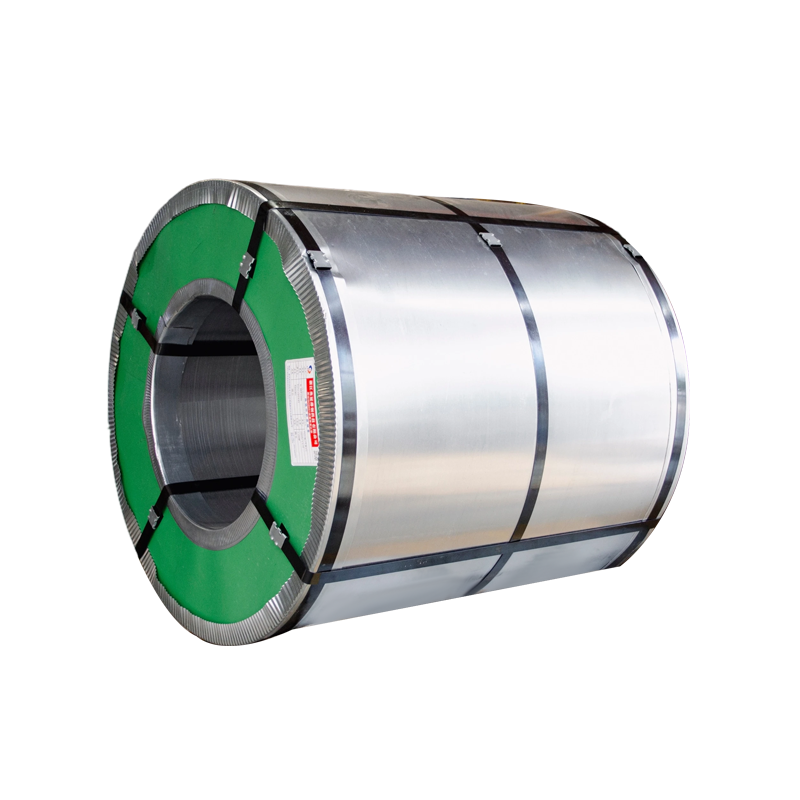
Coils are secured using steel strapping that passes around the coil body and anchors to the frame. Edge protectors are placed between the strap and coil edges to prevent contact damage. Strapping tension is carefully controlled to secure the coil without surface indentation.
With proper maintenance, steel frames typically provide 15 to 25 use cycles. Service life varies based on handling practices, transport conditions, and the quality of routine inspection and maintenance. Some frames may achieve more than 30 cycles with careful use.
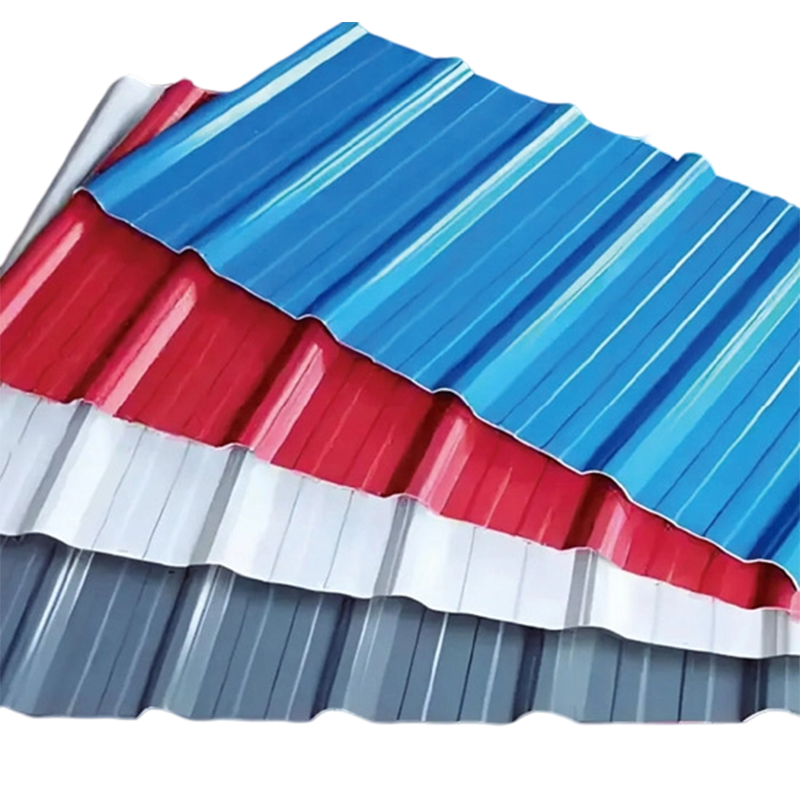
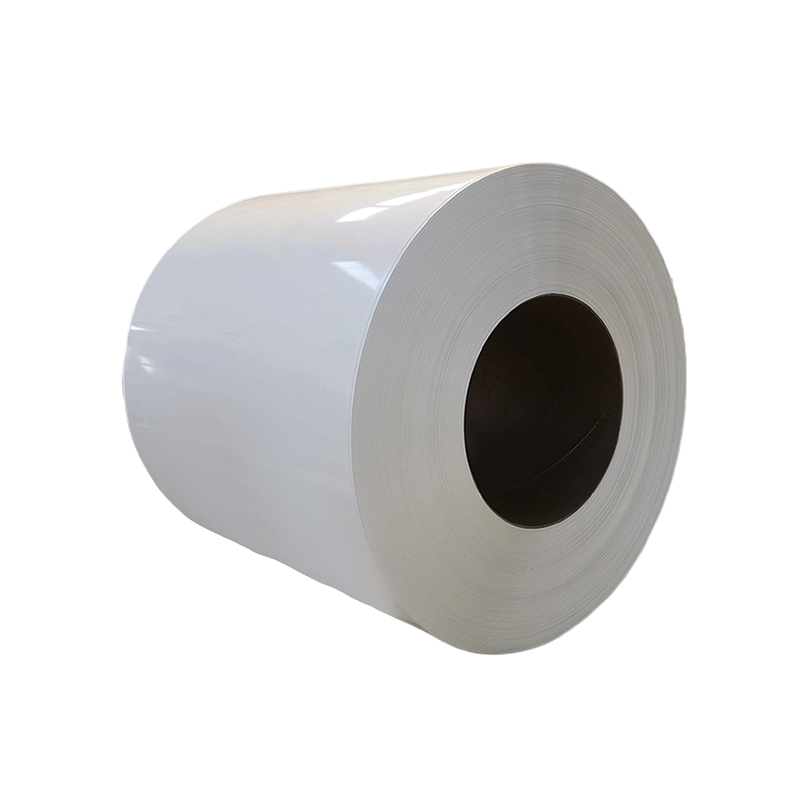
Yes. When equipped with appropriate cushioning and edge protection, steel frames are well-suited for coated coils. The use of soft, non-abrasive padding materials and careful strapping tension control are essential to protect the painted surface.