Aluminum-Zinc Coated Steel Coil vs Galvanized Steel Coil: Which One Offers Better Protection?
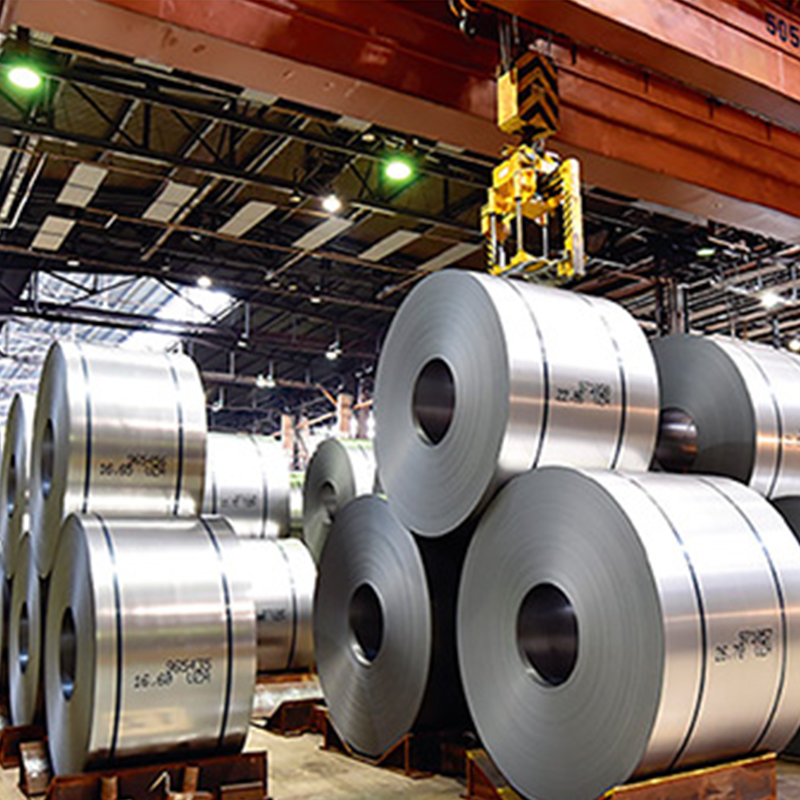
Steel coils are widely used in construction, automotive components, home appliances, industrial equipment, and architectural applications due to their excellent strength, formability, and durability. Among various coated steel products, aluminum-zinc coated steel coil and galvanized steel coil are two commonly selected materials for improving corrosion resistance and extending service life. Although both use metallic coatings to protect the steel substrate, their coating compositions and protective mechanisms are different, leading to differences in performance, application suitability, and maintenance requirements.
Understanding the differences between aluminum-zinc coated steel coil, also known as galvalume steel coil, and traditional galvanized steel coil helps manufacturers and engineers choose the right material according to environmental conditions, processing requirements, and expected product performance.
What Is Aluminum-Zinc Coated Steel Coil?
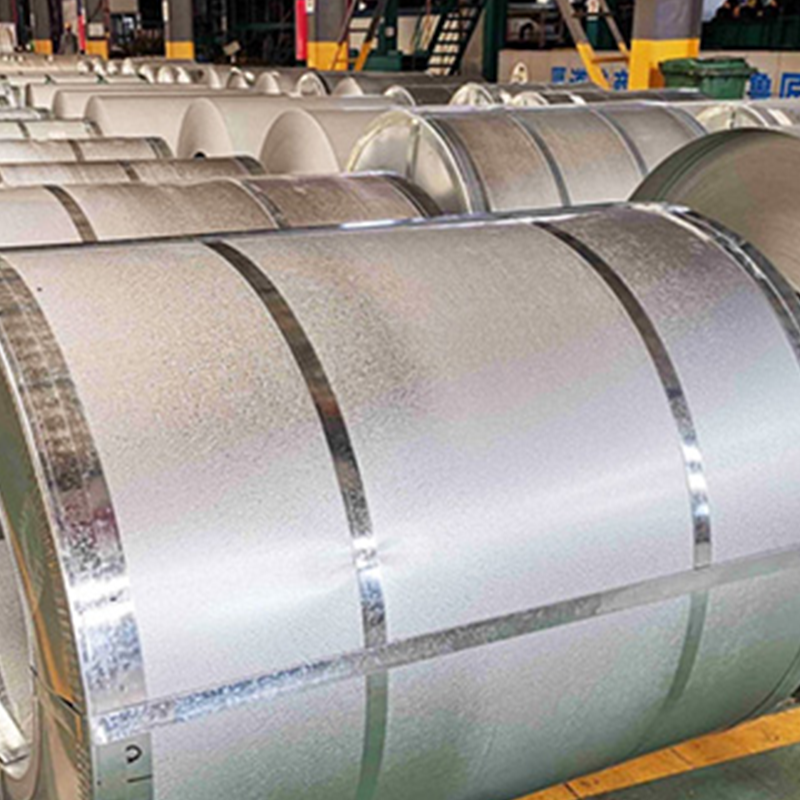
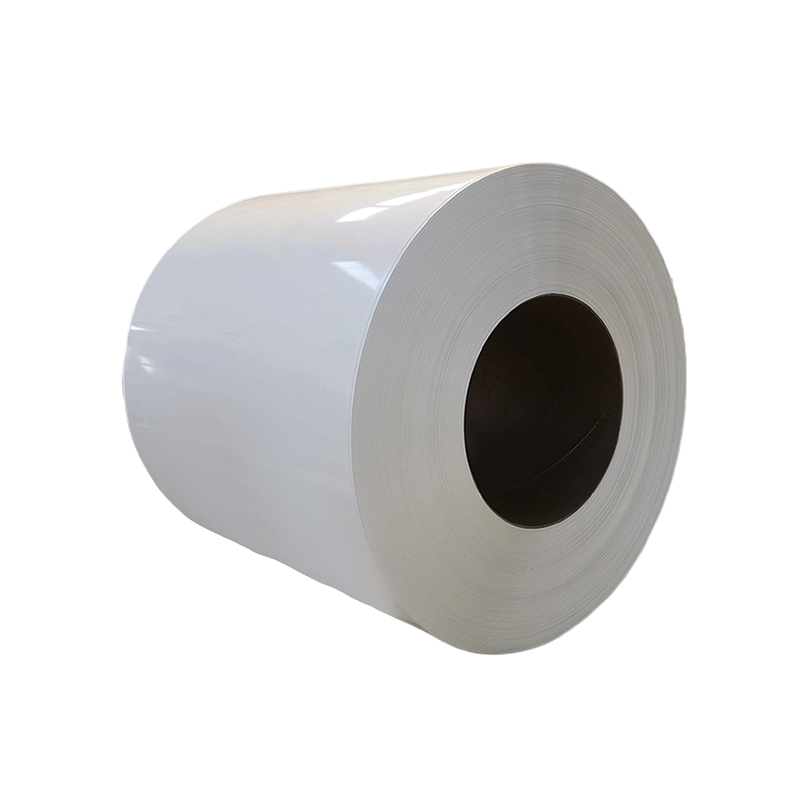
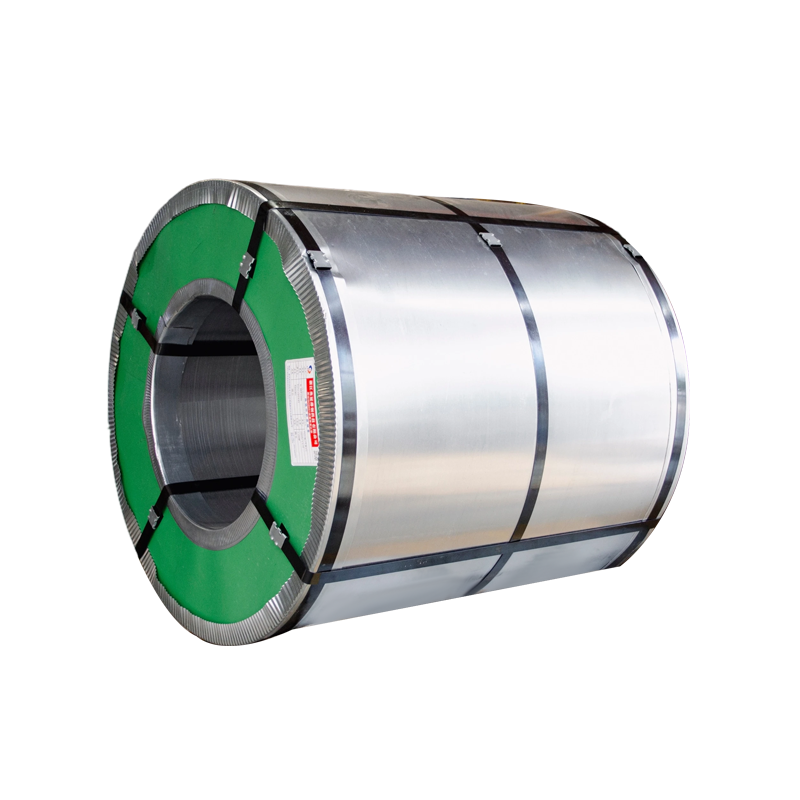
Aluminum-zinc coated steel coil is a type of coated steel product produced by applying an aluminum-zinc alloy coating to a cold-rolled steel substrate through a continuous hot-dip coating process. The coating typically combines the advantages of aluminum and zinc, creating a protective layer that provides both barrier protection and sacrificial corrosion protection.
The aluminum component forms a stable protective oxide layer on the surface, helping reduce exposure of the steel substrate to moisture and oxygen. Meanwhile, zinc provides electrochemical protection by sacrificing itself when the coating surface is damaged.
Because of this combined protection mechanism, galvalume steel coil is widely used in applications requiring long-term durability, weather resistance, and attractive surface appearance.
What Is Galvanized Steel Coil?
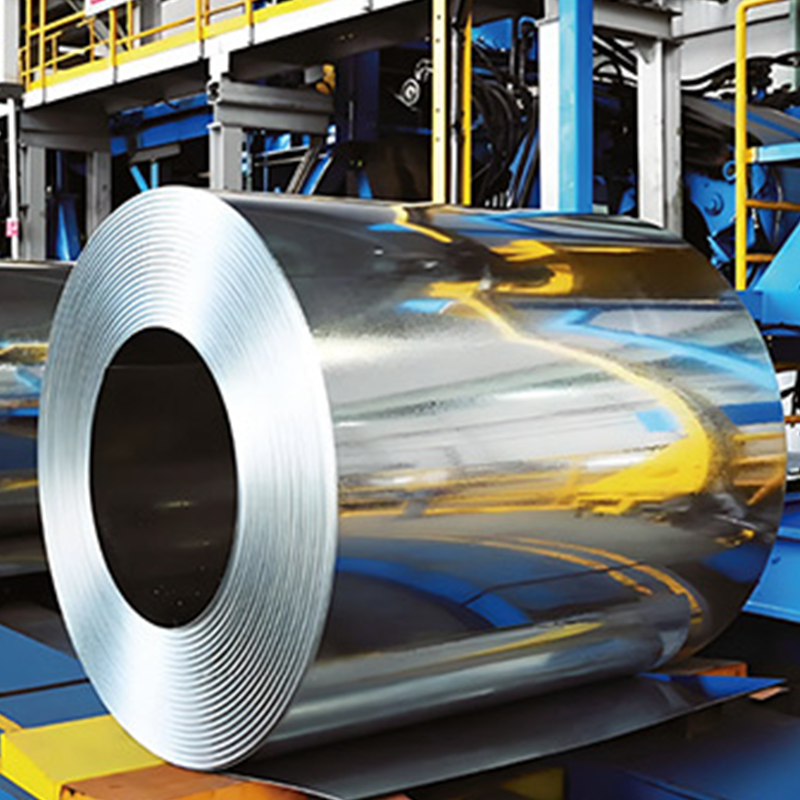
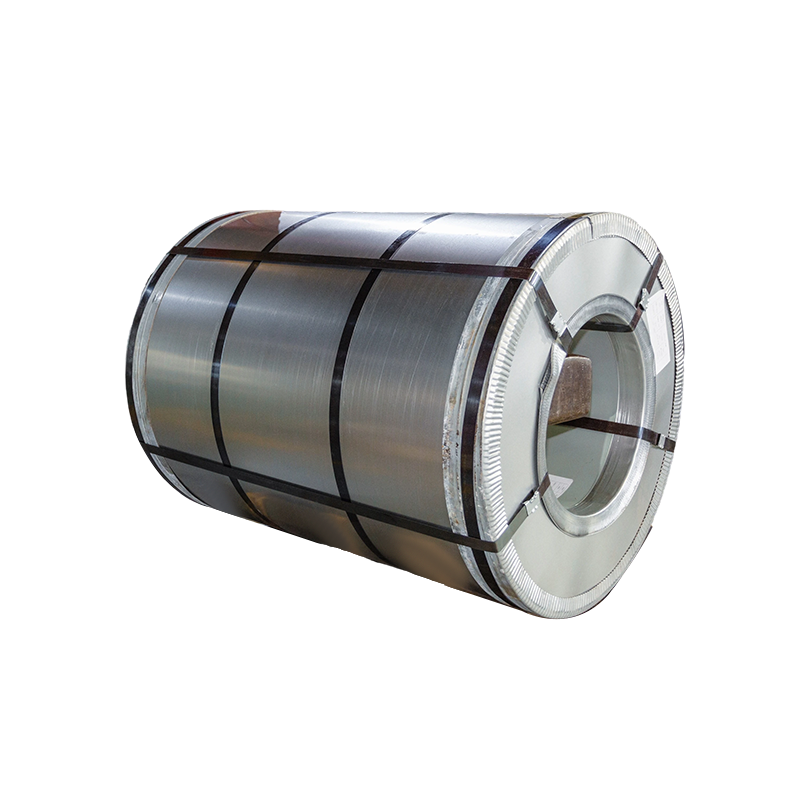
Galvanized steel coil is manufactured by coating steel with a zinc layer through a hot-dip galvanizing process. The zinc coating protects the base steel by acting as a physical barrier and providing sacrificial protection against corrosion.
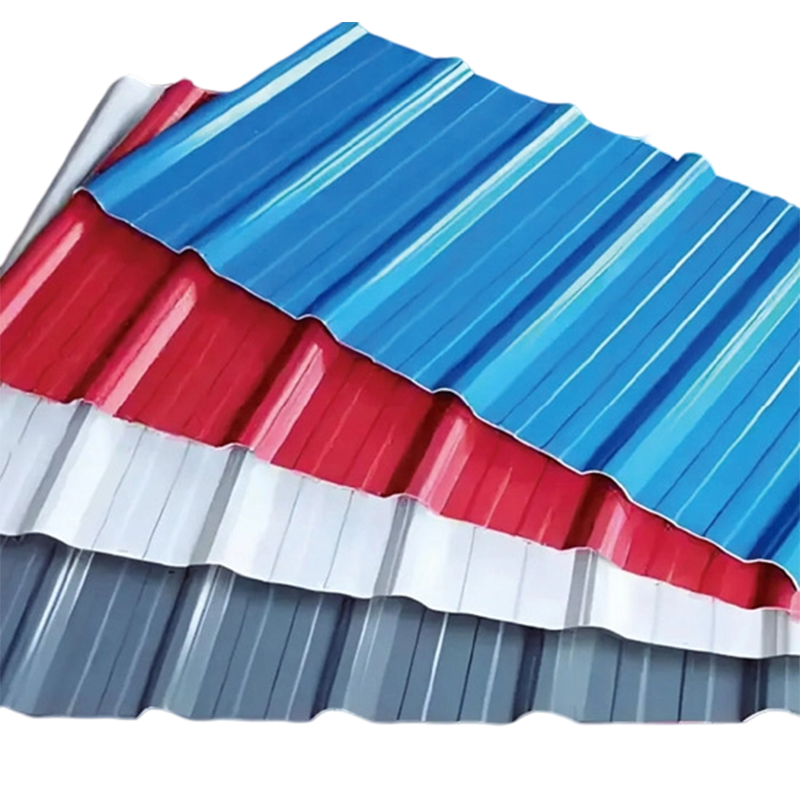
Galvanized steel coils are known for their good corrosion resistance, excellent weldability, and cost-effectiveness. They are commonly used in roofing sheets, structural components, pipelines, electrical cabinets, and general industrial products.
Compared with aluminum-zinc coated steel coil, galvanized steel coil has a simpler coating structure, making it a practical choice for many standard applications.
Aluminum-Zinc Coated Steel Coil vs Galvanized Steel Coil: Key Differences
The main difference between these two coated steel products lies in their coating composition and protective performance. Aluminum-zinc coatings provide enhanced surface stability, while zinc coatings offer reliable corrosion protection at a competitive cost.
| Comparison Factor |
Aluminum-Zinc Coated Steel Coil (Galvalume Steel Coil) |
Galvanized Steel Coil |
| Coating Material |
Aluminum-zinc alloy coating |
Pure zinc coating |
| Protection Mechanism |
Combination of barrier protection and zinc sacrificial protection |
Mainly zinc sacrificial protection |
| Corrosion Resistance |
Excellent resistance, especially in outdoor environments |
Good corrosion resistance for general conditions |
| Surface Appearance |
Smooth, bright metallic appearance with good visual performance |
Traditional zinc coating appearance |
| Heat Resistance |
Better performance under high-temperature conditions |
Suitable for normal temperature applications |
| Service Life |
Suitable for applications requiring extended durability |
Suitable for standard protection requirements |
| Processing Performance |
Good formability and coating adhesion |
Good stamping, bending, and fabrication performance |
Which Offers Better Corrosion Protection?
When comparing corrosion resistance, aluminum-zinc coated steel coil generally provides stronger long-term protection because the aluminum content improves the stability of the coating surface. The aluminum oxide layer helps slow down corrosion caused by moisture, chemicals, and environmental exposure.
For buildings, industrial facilities, and outdoor structures exposed to changing weather conditions, galvalume steel coil can provide reliable protection with reduced maintenance requirements.
Galvanized steel coil remains an effective solution where moderate corrosion resistance is sufficient. The zinc coating performs well in many indoor and general outdoor applications, especially where cost efficiency and easy processing are important considerations.
The selection between these two materials should consider the actual operating environment, including humidity, temperature changes, chemical exposure, and expected service period.
Differences in Applications
Both coated steel coils are widely used in industrial manufacturing, but their application focus can vary depending on performance requirements.
| Product Type |
Common Applications |
| Aluminum-Zinc Coated Steel Coil |
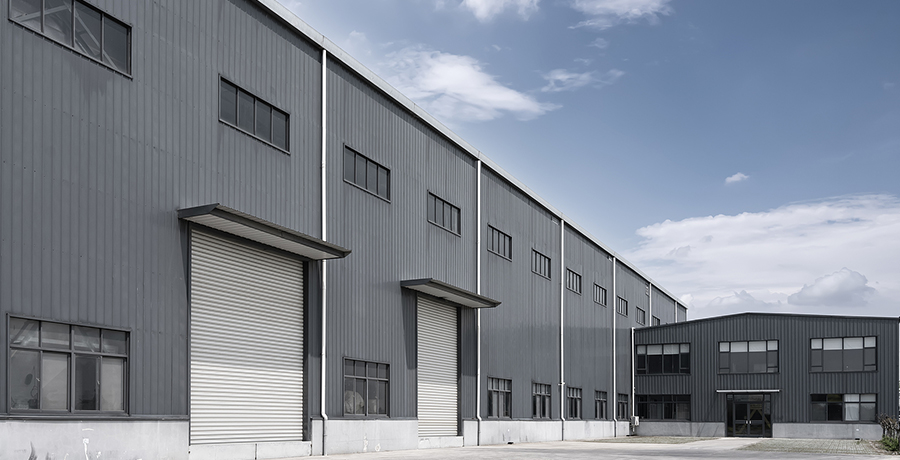
Roofing systems, wall panels, industrial buildings, agricultural structures, energy equipment, high-performance construction materials |
| Galvanized Steel Coil |
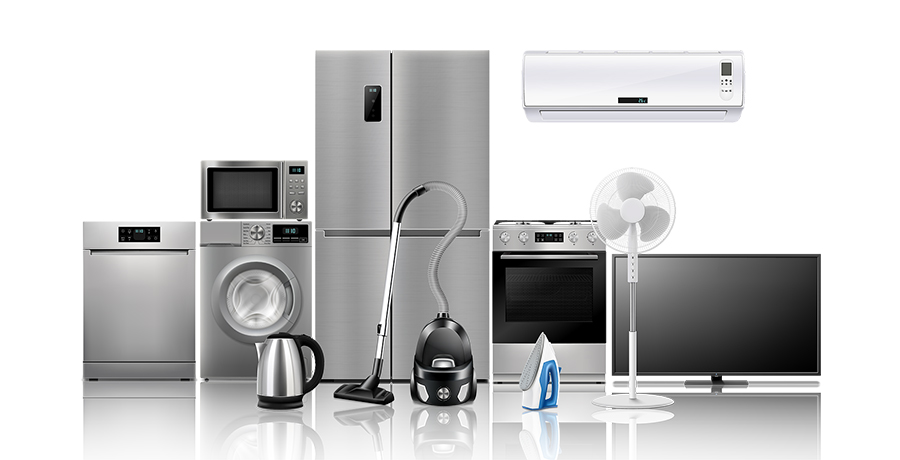
Construction frames, ventilation ducts, automotive parts, electrical equipment housings, general fabrication products |
For projects requiring better weather resistance, color retention, and surface durability, aluminum-zinc coated steel coil is often preferred. For applications requiring reliable corrosion protection with economical production costs, galvanized steel coil remains a practical option.
How Does Coating Quality Affect Steel Coil Performance?
The performance of coated steel coils depends not only on coating type but also on manufacturing quality, coating uniformity, substrate preparation, and surface treatment technology.
High-quality coated steel coils should have:
- Uniform coating thickness
- Strong coating adhesion
- Smooth surface finish
- Stable mechanical properties
- Good resistance to processing damage
A professional manufacturer with advanced production control can help ensure consistent product quality for different application requirements.
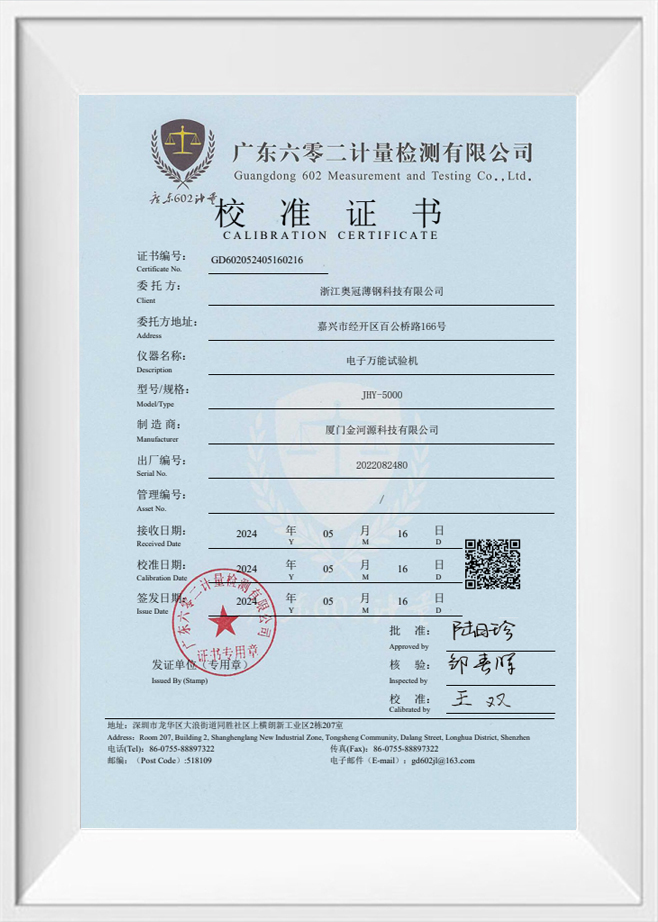
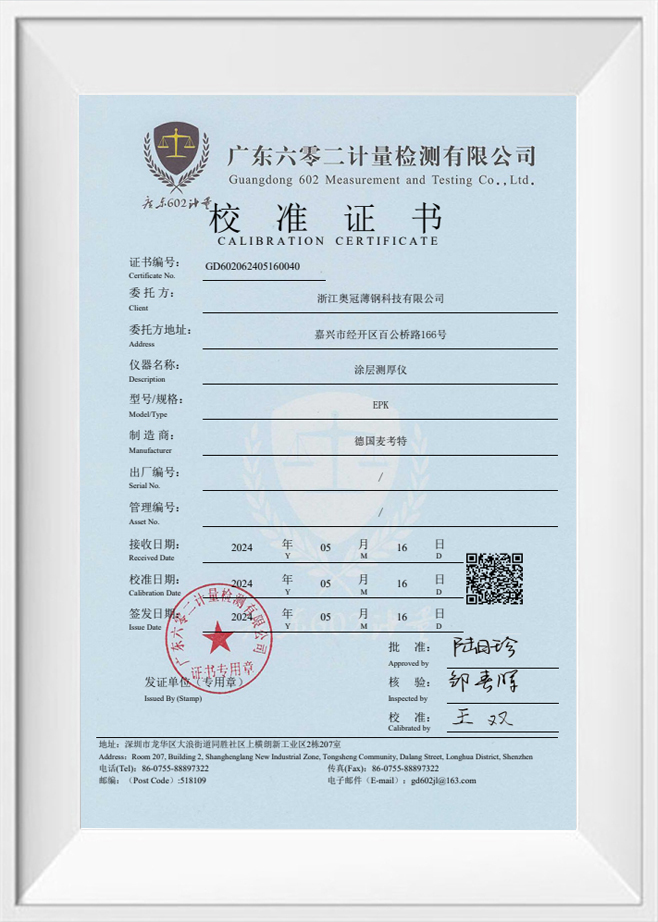
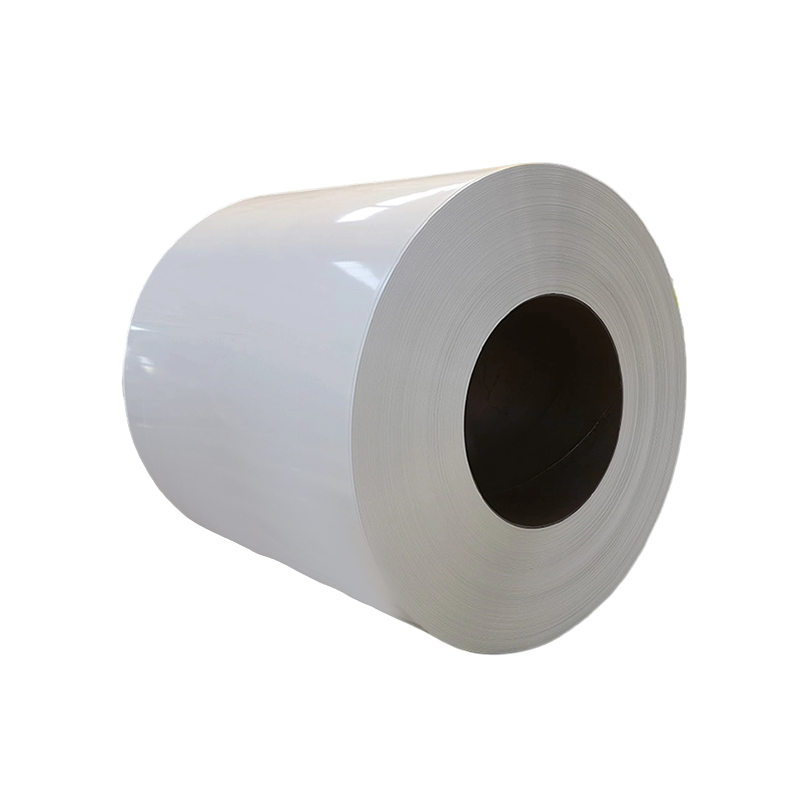
Zhejiang Aoguan Thin Steel Technology Co., Ltd. specializes in the production and sales of color-coated steel coils, including PPGI and PPGL products, with integrated manufacturing and direct sales capabilities. The company serves customers in Southeast Asia, Africa, the Middle East, and South America, providing coated steel solutions for various industrial and construction applications.
AOGUAN THIN STEEL focuses on delivering coated steel coils with reliable surface quality and customized solutions. Its production facilities are supported by convenient transportation resources, with access to major ports including Shanghai Port, Ningbo Port, Zhoushan Port, Zhapu Port, and Longtan Port, helping improve export efficiency and provide flexible export packaging options.
How to Choose Between Aluminum-Zinc Coated Steel Coil and Galvanized Steel Coil?
The correct choice depends on the specific requirements of the project:
- Choose aluminum-zinc coated steel coil when superior corrosion resistance, heat resistance, and long-term outdoor performance are required.
- Choose galvanized steel coil when economical corrosion protection and easy fabrication are the primary considerations.
- Consider environmental conditions, processing methods, surface appearance, and maintenance expectations before making a decision.
For modern construction and industrial applications, material selection should focus on balancing performance, durability, and overall lifecycle value.
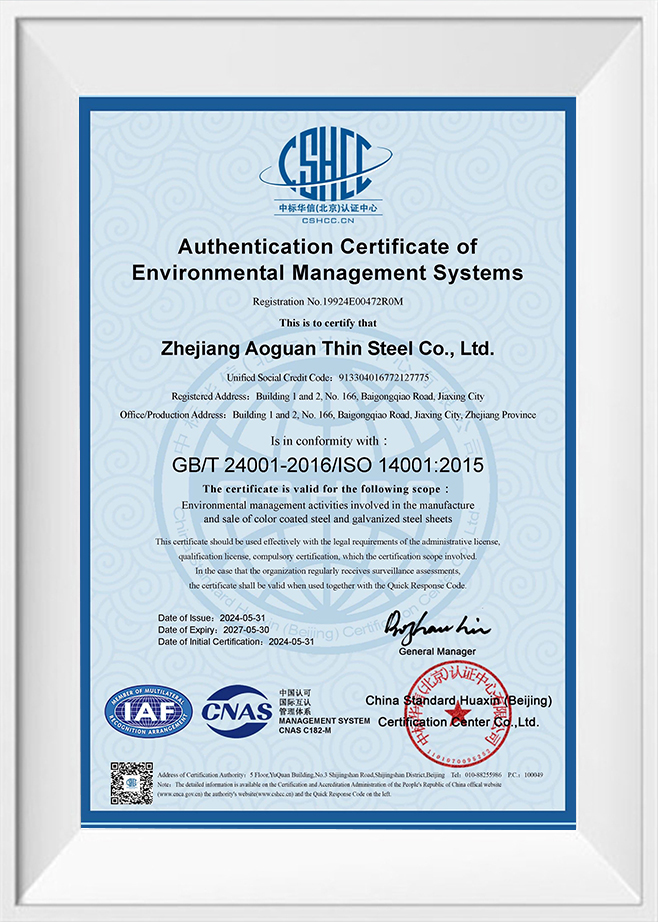
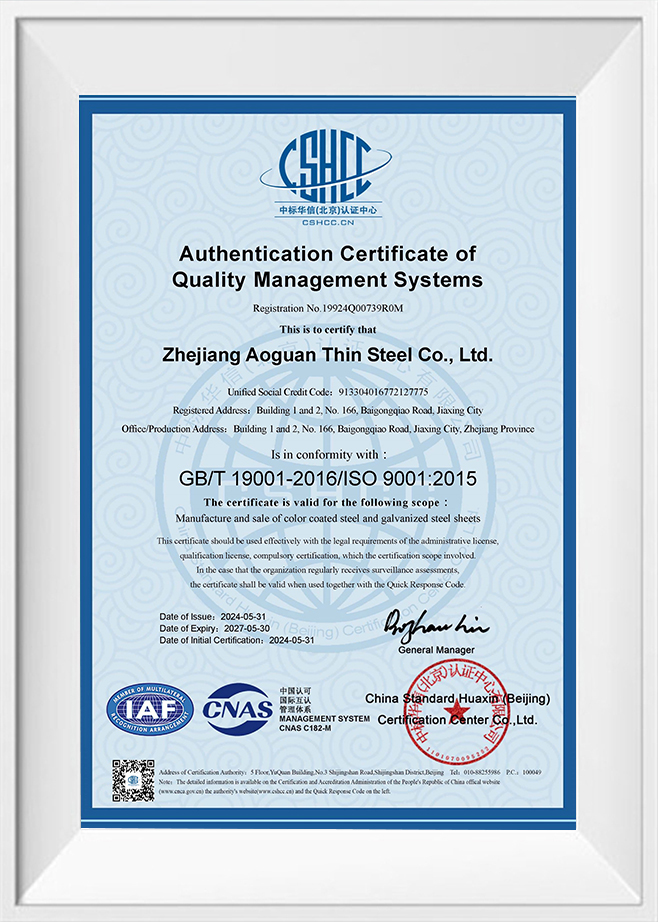
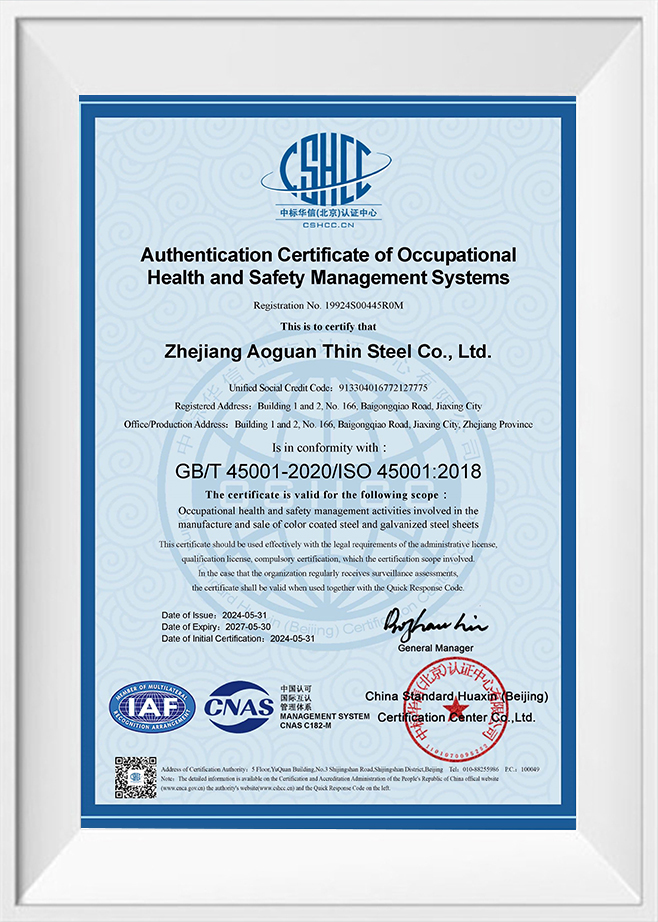
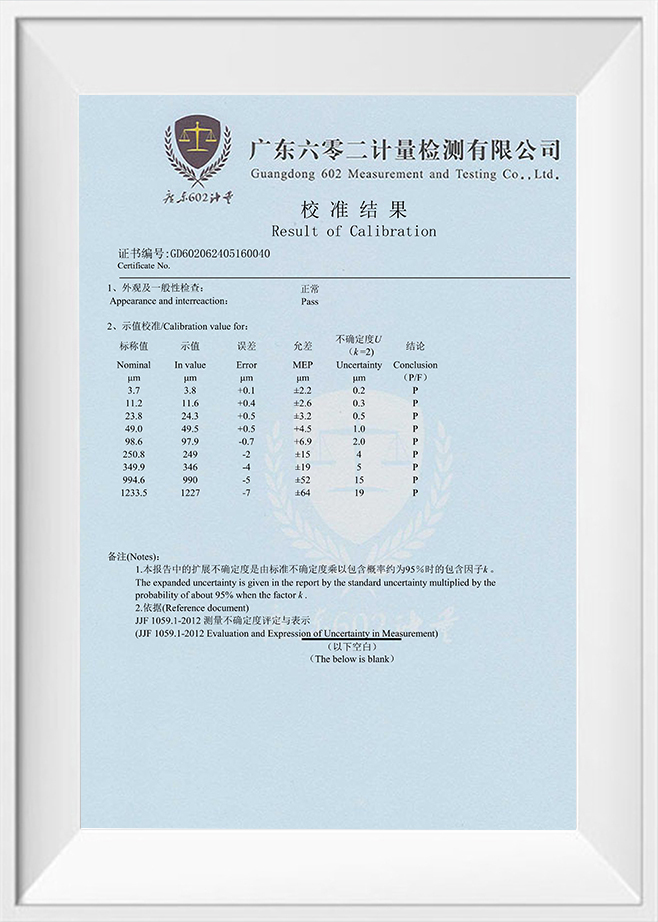
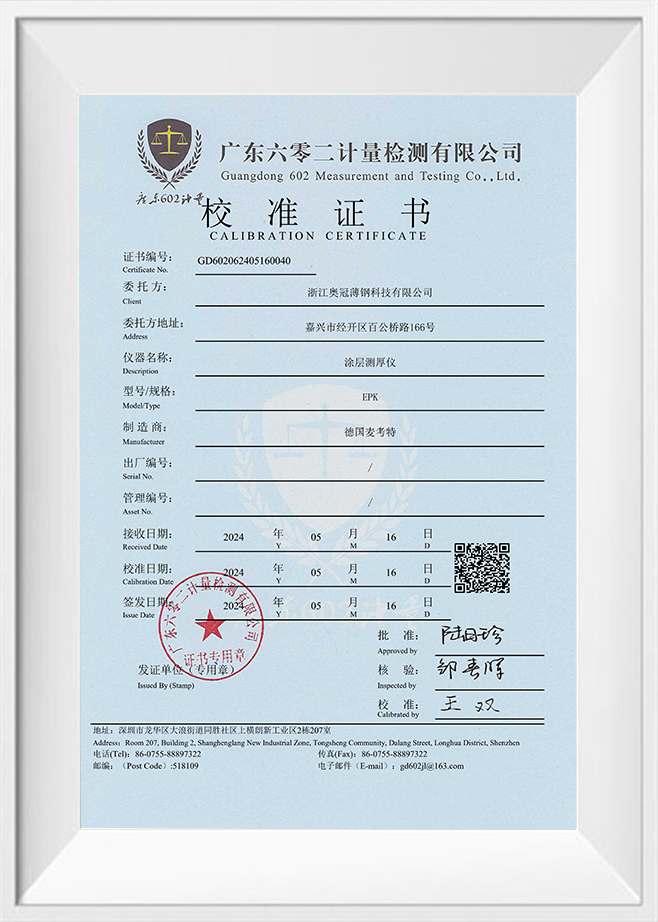
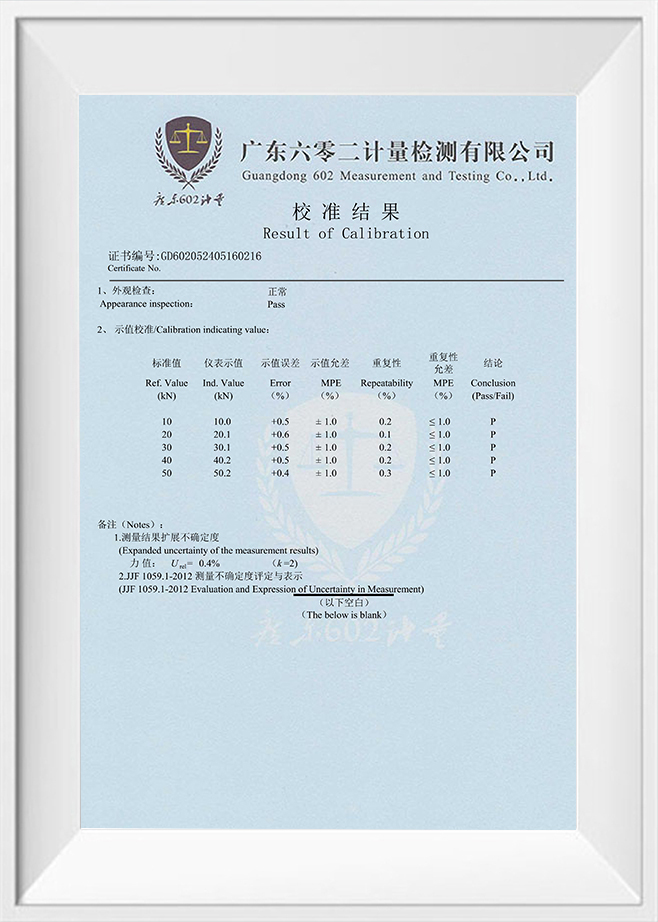
AOGUAN THIN STEEL provides coated steel products designed for different market requirements, supported by quality management systems and relevant certifications to ensure product reliability and safety.
Conclusion
Both aluminum-zinc coated steel coil and galvanized steel coil provide effective protection for steel substrates, but they are designed for different performance requirements. Galvanized steel coil offers dependable corrosion resistance and cost advantages, while galvalume steel coil provides enhanced durability through its aluminum-zinc alloy coating structure.
For applications exposed to harsh weather, higher temperatures, or long-term outdoor conditions, aluminum-zinc coated steel coil is often a better choice. For general industrial and construction uses, galvanized steel coil continues to be a widely used and practical material solution.
Selecting the right coated steel coil requires a comprehensive evaluation of environment, performance needs, processing requirements, and expected service life.
FAQ
1. What is the main difference between aluminum-zinc coated steel coil and galvanized steel coil?
The main difference is the coating composition. Aluminum-zinc coated steel coil uses an aluminum-zinc alloy coating, while galvanized steel coil uses a zinc coating. The aluminum-zinc coating provides additional barrier protection and improved weather resistance.
2. Is galvalume steel coil better than galvanized steel coil for outdoor applications?
In many outdoor applications, galvalume steel coil offers better long-term corrosion resistance because its aluminum content helps create a more stable protective surface layer.
3. Can aluminum-zinc coated steel coil be used for roofing applications?
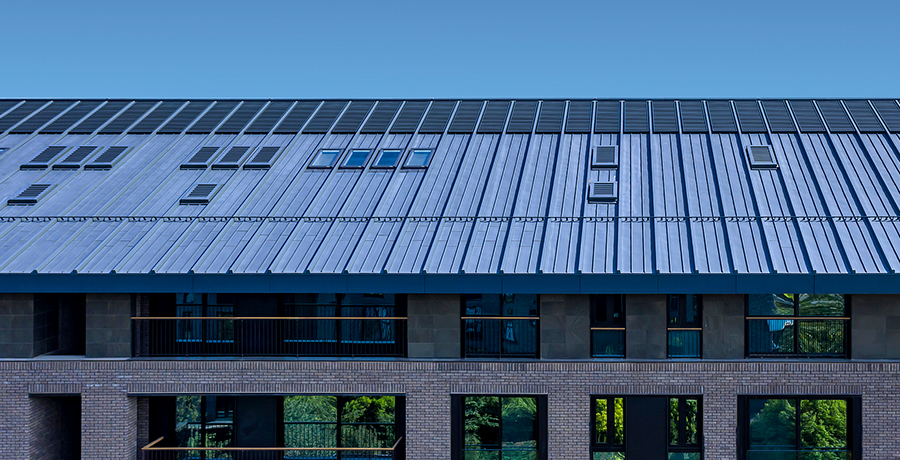
Yes. Aluminum-zinc coated steel coil is widely used for roofing panels, wall cladding, and other building materials because of its durability, corrosion resistance, and attractive appearance.
4. Does galvanized steel coil require regular maintenance?
Maintenance requirements depend on the application environment. Proper installation and surface protection can help extend the service life of galvanized steel coil.
5. How should I choose the right coated steel coil?
The choice should be based on application conditions, corrosion exposure, processing requirements, budget considerations, and expected service performance.