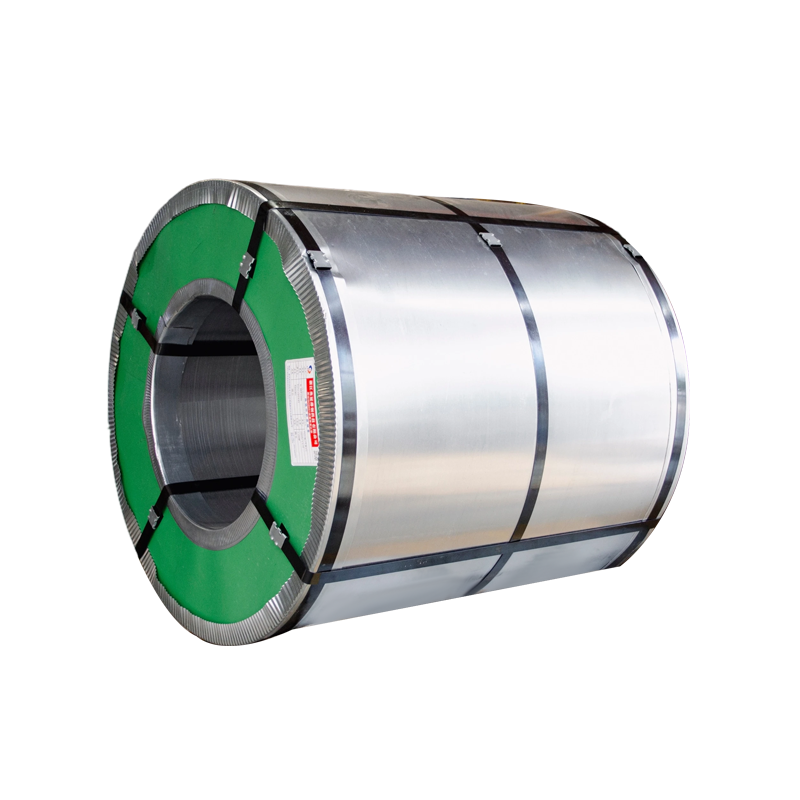
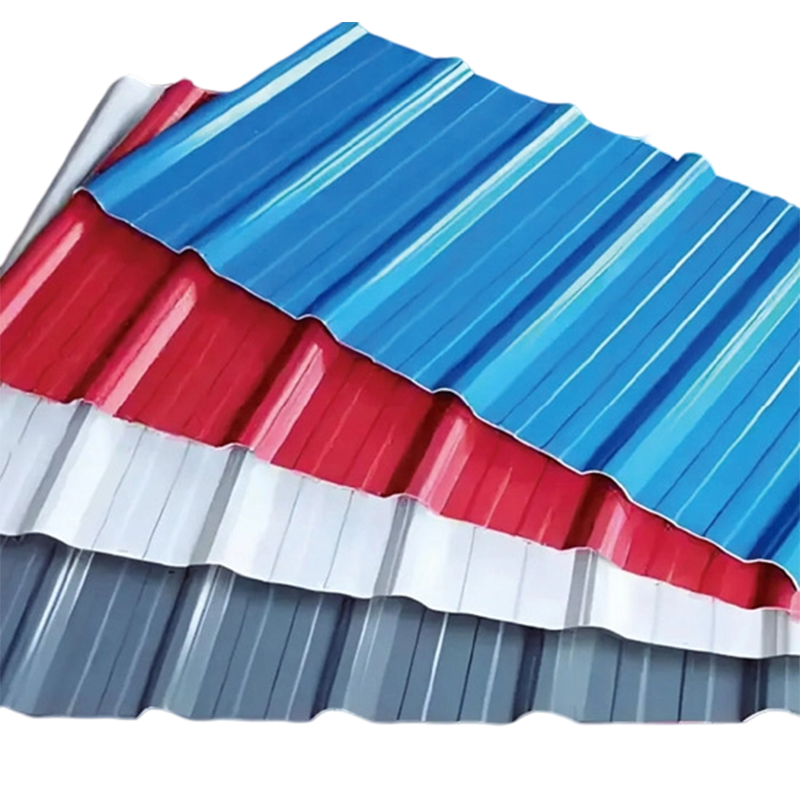
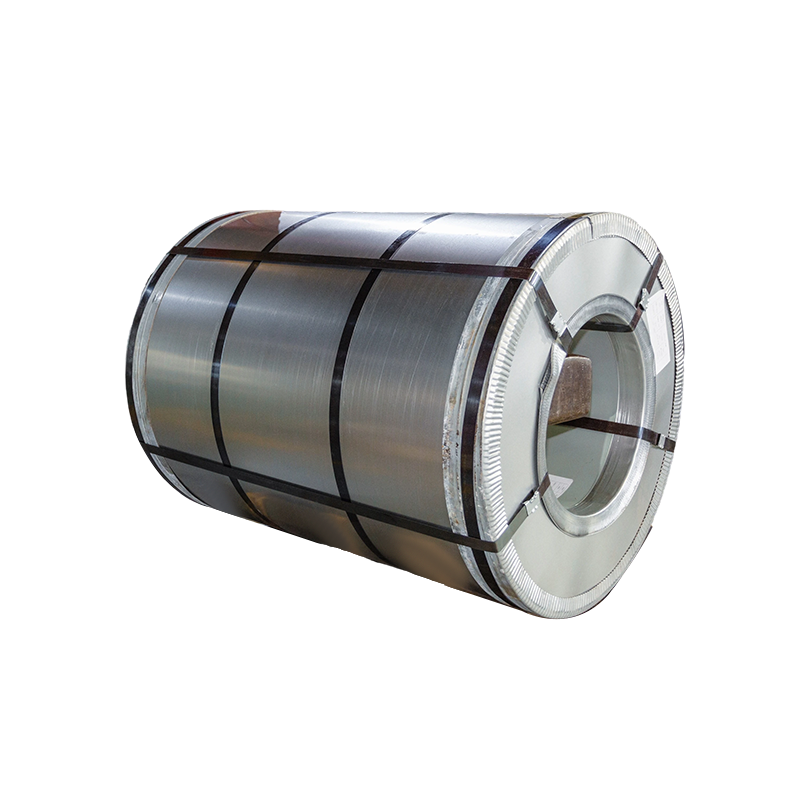
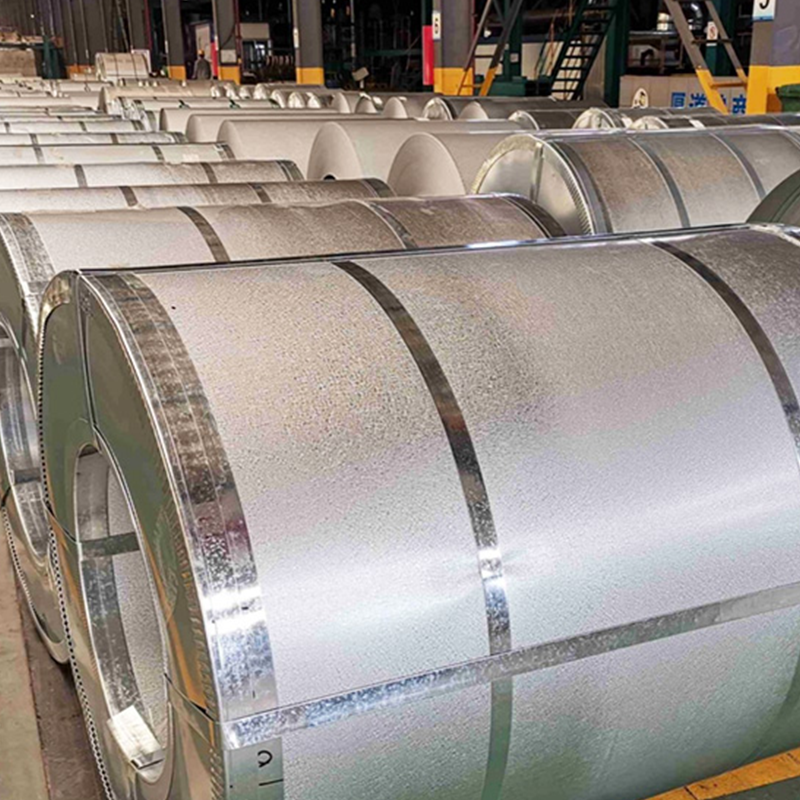
As a professional manufacturer with 20 years of color-coated coil production experience in East China, Aoguan Thin Steel understands that the zinc coating is the core foundation of color-coated sheet performance. The zinc coating not only directly determines the corrosion resistance of the base plate, but also affects the processability, durability, and final application effect of color-coated products. Here is a detailed analysis:
The Impact and Importance of Zinc Coating on Color-Coated Sheets – Technical Analysis by Aoguan Thin Steel
I. Key Functions of Zinc Coating
-
Corrosion Protection Barrier
- Cathodic Protection: Zinc has a lower electrode potential than iron; in corrosive environments, it sacrificially corrodes first to form protection (electrochemical corrosion prevention).
- Physical Isolation: The dense zinc coating blocks moisture and oxygen from contacting the steel base, slowing rusting (especially suitable for the high-humidity coastal environment in East China).
-
Enhanced Coating Adhesion
The fine roughness formed on the zinc coating surface (e.g., spangle structure) provides better bonding anchors for color coating, reducing the risk of coating peeling.
-
Extended Weather Resistance
A high-quality zinc coating reduces volume expansion of the base plate caused by corrosion, preventing coating cracking (prolonging the service life of products in scenarios such as outdoor buildings and industrial plants).
The Impact and Importance of Zinc Coating on Color-Coated Sheets – Technical Analysis by Aoguan Thin Steel
II. Impact of Zinc Coating Parameters on Color-Coated Sheets
The Impact and Importance of Zinc Coating on Color-Coated Sheets – Technical Analysis by Aoguan Thin Steel
| Parameter |
Impact Scope |
Aoguan's Solution |
| Zinc Coating Thickness |
The zinc content per square meter (e.g., Z220-Z275) directly affects corrosion resistance life: |
Customize galvanizing based on customers' application scenarios to balance cost and performance. |
| - Thin coating (Z20-Z60): For indoor environments |
| - Thick coating (Z180+): For harsh industrial environments |
| Zinc Coating Uniformity |
Uneven zinc coating leads to local corrosion vulnerabilities, accelerating coating failure. |
Adopt advanced air knife control technology to ensure uniform coating distribution. |
III. Zinc Coating Quality Control at Aoguan Thin Steel
Leveraging the industrial chain advantages of our three production bases in East China, we ensure zinc coating performance through the following measures:
- Premium Raw Material Selection: Use high-purity zinc ingots, controlling impurity content (e.g., lead, cadmium) to ≤0.01%.
- Process Control: The temperature control precision of the hot-dip galvanizing line is ±1°C, avoiding zinc coating embrittlement.
- Testing Standards: Online X-ray thickness gauge + salt spray test, ensuring the zinc coating of each color-coated coil meets the standards.
The Impact and Importance of Zinc Coating on Color-Coated Sheets – Technical Analysis by Aoguan Thin Steel
IV. Selection Recommendations for Customers
- Building Roofs/Walls: Recommend Z120-Z180 zinc coating + PVDF coating, with a corrosion protection life of over 20 years.
- Home Appliance Panels: Choose Z60-Z90 zinc coating + environmentally friendly paint, balancing cost and flatness requirements.
- Industrial Facilities: Suggest zinc coating of Z200 or above + epoxy primer, to resist chemical corrosion.




 English
 Français
 Español
 عربى
عربى