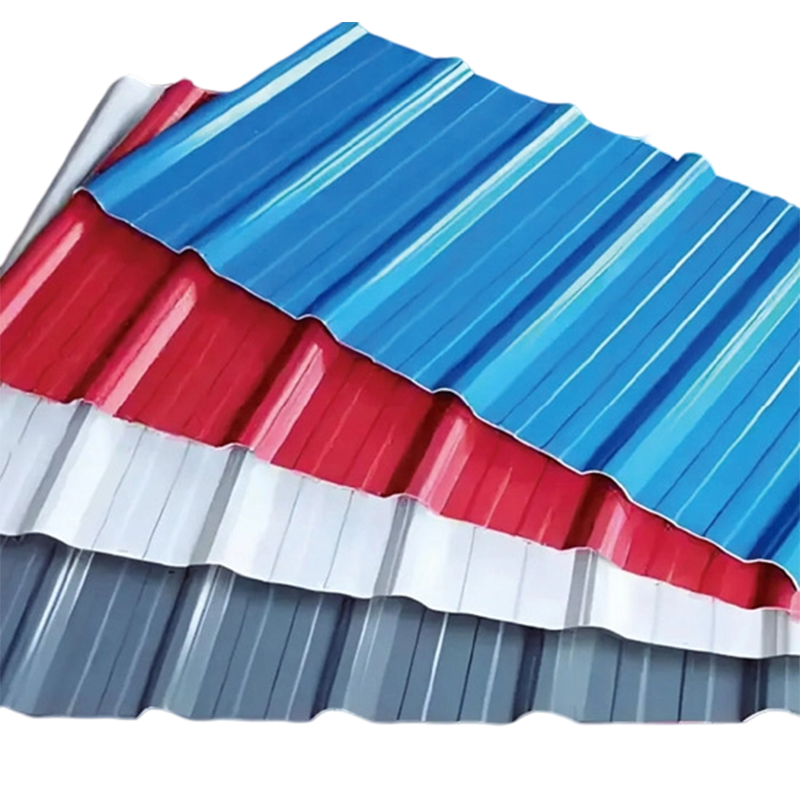
That dead end is exactly the problem one-stop manufacturing claims to solve for PPGI/PPGL quality control. The claim can be tested with documents rather than slogans: if one producer controls substrate galvanizing, painting, slitting, and export packaging, then every quality record for a given coil should sit in one file. This article explains what one-stop manufacturing means in coated steel practice, which checkpoints move in-house, the specification ranges to demand at each stage, and how to audit a supplier before the first deposit. Ranges cited here follow common international standards such as EN 10169 and ASTM A755.
Content
One-stop manufacturing means one accountable producer controls every processing stage that determines coil quality, from bare strip to packed export unit.
The model does not require one giant building; it requires one owner of the chain. Zhejiang Aoguan Thin Steel Technology Co., Ltd., founded in Jiaxing in 2008, operates a galvanizing line, a galvalume line, two color coating lines, and a slitting and coating line in Zhejiang, with sister plants in Anhui (about 150,000 tonnes of color coated coil per year) and Jiangsu extending PPGI capacity under the same group. When the company that galvanizes the strip also paints and packs it, quality data travels with the coil instead of being rebuilt from conflicting certificates.
Integration matters most at the five points where defects traditionally hide between two suppliers. Move all five under one roof and the classic blame loop loses its exits.
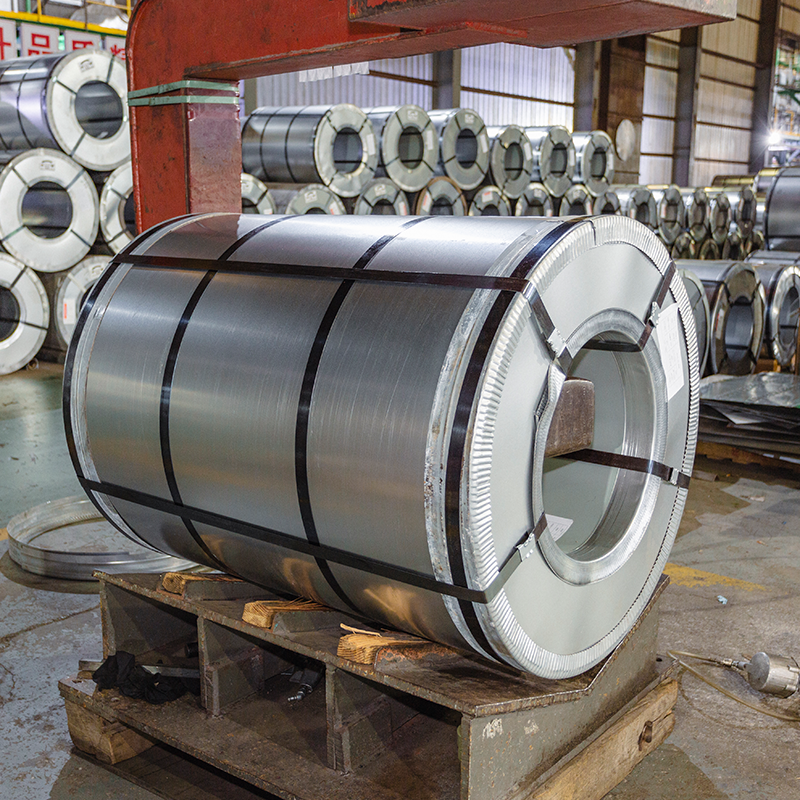 Galvanized Steel Coils (GI) with Hot-Dip Zinc CoatingHot-dip galvanized coil offering corrosion resistance, good formability, and grades like DX51D–DX54D. It fits here as the integrated substrate whose coating weight and traceable lot records anchor quality across the production chain.View Product →
When one company owns all five stages, the coil number becomes a thread: pull it, and the substrate lot, cure chart, and packing record come out together.
Judge any one-stop claim against written numbers. The three ranges below form the backbone of a PPGI/PPGL purchase specification, and the table turns them into a checklist with test methods attached.
| Checkpoint | Typical requirement | Test standard | Risk in a split supply chain |
| Zinc or AZ coating mass | Z60-Z275 g/m² for PPGI, AZ70-AZ150 g/m² for PPGL | ASTM A90 or XRF gauge | Thin spots corrode only after installation |
| Total film thickness | 25-34 μm (primer 5-7, topcoat 15-20) | ISO 2808 or ASTM D7091 | Under-build shortens life, over-build cracks at bends |
| T-bend flexibility | 2T-3T at common gauges | EN 13523-7 | Cracking appears at the customer press |
| Salt spray resistance | 500-1,000 h for polyester, higher for PVDF | EN 13523-8 or ASTM B117 | Early chalking in coastal or industrial air |
| Pencil hardness | H to 2H | EN 13523-4 | Scuffs during rollforming and transit |
| Gloss consistency | Within 5 gloss units of the approved panel | EN 13523-2 | Visible shade mismatch between batches |
Weathering grades deserve the same discipline. PVDF coated coil is normally bought for long-life exterior cladding, so ask for the documented weathering class of the resin system instead of a generic high weather resistance phrase.
 PVDF Coated Coil for Long-Life Exterior CladdingA premium color-coated coil with PVDF resin topcoat delivering UV, acid rain, and salt spray resistance with strong color retention. Worth checking for documented coating thickness and weathering class on exterior cladding projects.View Product →
Most arguments about bad paint are really arguments about micrometers. A single-coat architectural system typically carries about 6 μm of backer on the reverse, 5-7 μm of primer, and 15-20 μm of topcoat, roughly 30 μm of total film. That is thin enough for a 3 μm shortfall to pass any visual check, yet large enough to shorten service life measurably. Buyers should therefore gauge-check film thickness on every incoming lot and match it against the release sheet; the arithmetic is set out in the guide to calculating zinc coating and paint film thickness.
The machinery may be identical on both models; the difference is who signs for the defect.
None of this makes an integrated producer automatically better; a weak plant that owns everything is still a weak plant. What integration buys is traceability. When batch 4471 fails a T-bend check, its curing chart, substrate lot, and packaging record sit in the same file, so the fix takes days instead of months.
Audit the chain, not the brochure, before the first deposit moves.
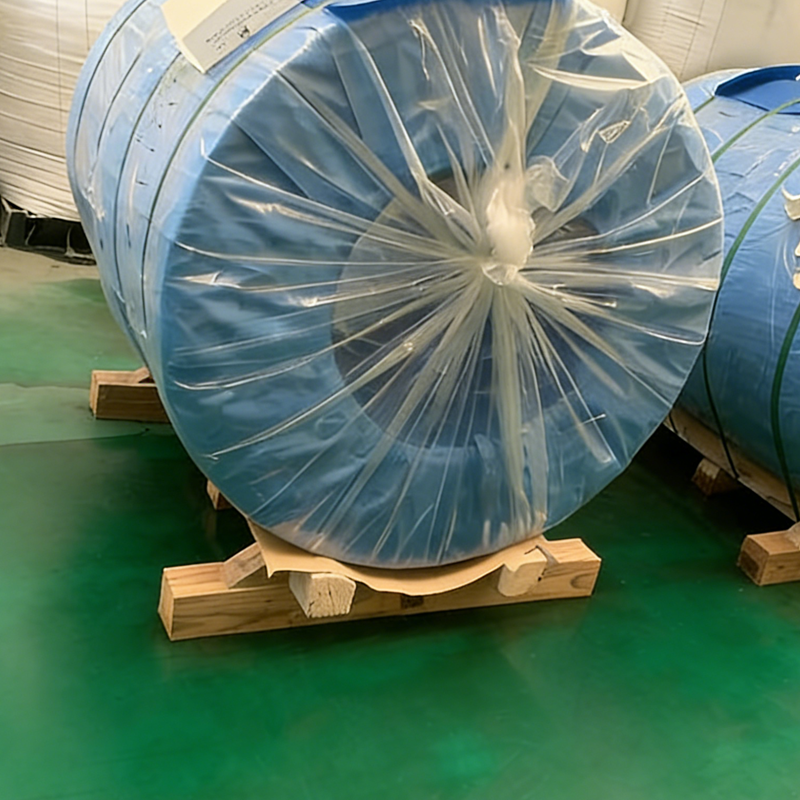 Waterproof Wrapping and Sealing for Steel Coil PackagingStretch film wrapping, waterproof woven cloth, and sealed plastic caps provide 360-degree moisture and dust protection after palletizing. It matters here because export-ready packing preserves coil quality through sea freight to final delivery.View Product →
Downstream requirements sharpen the checklist further. Cleanroom panel buyers, for instance, usually add surface defect and flatness limits on top of standard coil specifications, and a supplier that controls its own line can commit to those limits with far more confidence.
One-stop manufacturing is worth paying for only when the chain can be verified with documents. The test is simple: for any coil number you name, can the supplier produce its substrate origin, coating mass, film build, cure data, and packing specification?
Producers that integrate galvanizing, painting, slitting, and export packaging under one quality system answer within minutes; intermediaries relabeling bought-in coils cannot. Write those five documents into the purchase contract, and most quality disputes end before they start.
No. It delivers clearer accountability and stronger traceability, while actual quality still depends on process discipline. That is why the specification sheet and the five-step audit matter more than the label on the invoice.
Mainly at the substrate. PPGI uses galvanized steel, whose zinc layer sacrifices itself to protect cut edges, while PPGL uses aluminum-zinc strip that resists heat and weathering better but offers less sacrificial protection. Coating and testing requirements are otherwise the same.
Four checks catch most real claims: film thickness by gauge, zinc or AZ mass against the certificate, a T-bend check, and a gloss comparison against the approved panel. Add salt spray testing for new coating systems or new suppliers.
It controls delivered quality. Coils that arrive with water staining, edge damage, or scuffed faces fail at the press even when the metallurgy is perfect, so packaging and handling belong inside the QC plan rather than after it.
Address
No. 166, South Baigongqiao Road, Economic and Technological Development Zone, Nanhu District, Jiaxing City, Zhejiang Province, China
Phone Number
+86-15021696188
Products
+86-15021696188
Mobile terminal



 English
 Français
 Español
 عربى
عربى