How to Select the Right Galvanized Steel Coils (GI) for Different Industrial Applications?
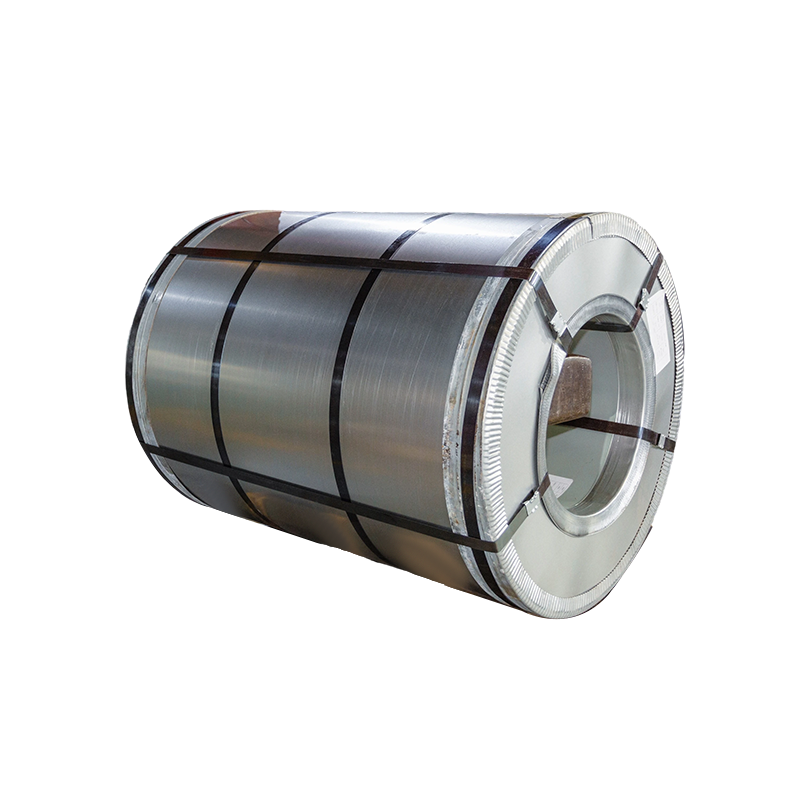
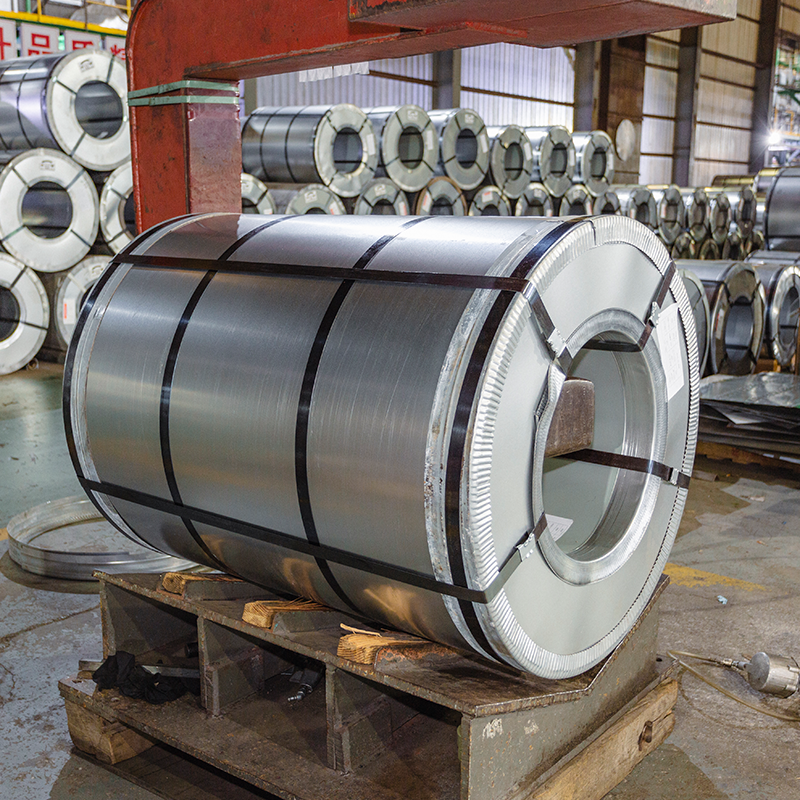
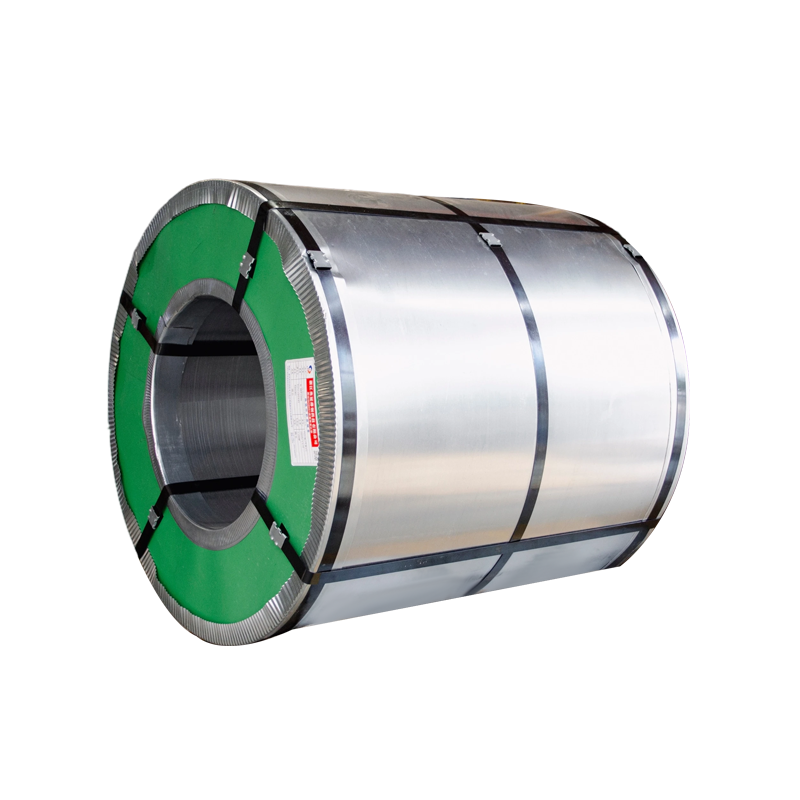
Galvanized steel coils (GI) are widely used in construction, automotive manufacturing, home appliances, industrial equipment, and infrastructure projects due to their excellent corrosion resistance, high strength, and long service life. By applying a protective zinc coating to steel substrates, galvanized steel coils provide enhanced resistance against rust and environmental damage, making them an essential material for applications requiring reliable metal performance.
However, selecting the right galvanized steel coils requires a comprehensive understanding of application requirements, steel grades, zinc coating characteristics, surface quality, and processing conditions. Different industries have different demands for mechanical strength, corrosion protection, forming ability, and surface appearance. Choosing an unsuitable galvanized steel coil may affect product durability, manufacturing efficiency, and overall cost performance.
Understanding the Basic Structure and Performance of Galvanized Steel Coils (GI)
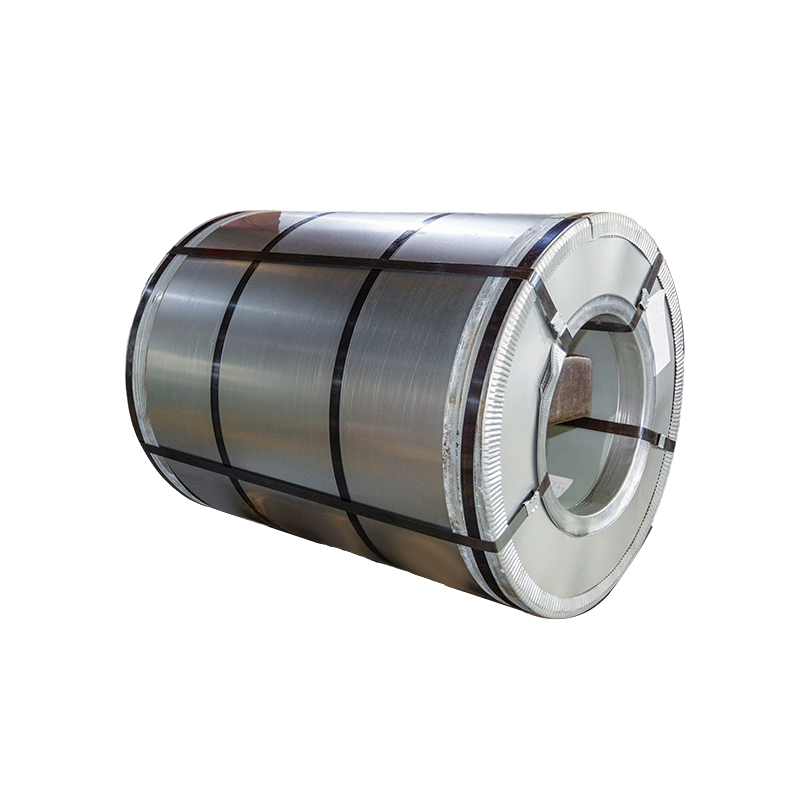
Galvanized steel coils are produced by coating cold-rolled or hot-rolled steel sheets with a layer of zinc through a galvanizing process. The zinc coating acts as a protective barrier, preventing direct contact between steel and external environments. In addition, zinc provides sacrificial protection, which helps slow down corrosion even when minor surface damage occurs.
The main components influencing galvanized steel coil performance include:
| Component |
Function |
Influence on Performance |
| Steel substrate |
Provides structural strength and forming capability |
Determines hardness, flexibility, and load-bearing performance |
| Zinc coating layer |
Protects steel from corrosion |
Affects rust resistance and service life |
| Surface treatment |
Improves coating adhesion and appearance stability |
Enhances paintability and processing performance |
| Coating quality control |
Maintains uniformity and consistency |
Ensures reliable industrial application results |
For industrial buyers, galvanized steel coil selection should not only focus on the zinc coating thickness but also consider the compatibility between material properties and final application requirements.
Key Factors for Selecting Galvanized Steel Coils for Industrial Applications
1. Consider the Application Environment
The operating environment is one of the most important factors when selecting galvanized steel coils (GI). Materials used in outdoor structures require stronger corrosion resistance compared with products used in controlled indoor environments.
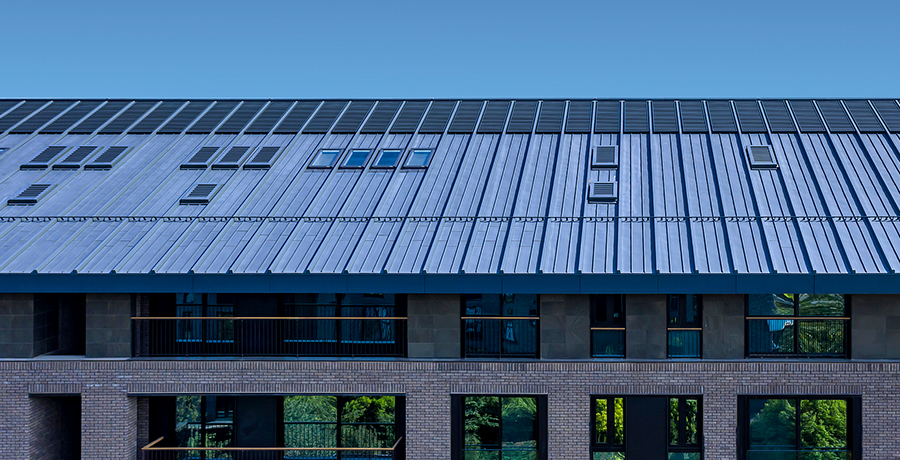
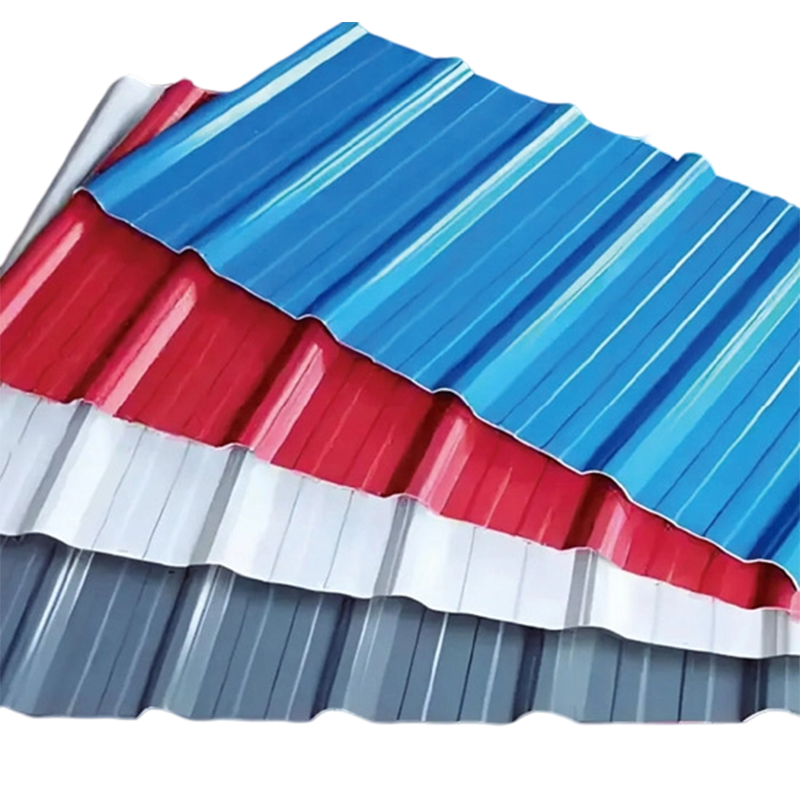
For example, construction applications such as roofing panels, wall cladding, and structural components often face exposure to moisture, temperature changes, and atmospheric corrosion. In these situations, galvanized steel coils with stable zinc protection and good surface treatment performance are preferred.
Industrial equipment and machinery components may require galvanized steel with balanced strength and processing flexibility to withstand manufacturing operations such as cutting, bending, and stamping.
2. Select the Appropriate Steel Grade
Different applications require different mechanical properties. High-strength galvanized steel coils are suitable for structural applications requiring strong load capacity, while more flexible grades are better for deep drawing and complex forming processes.
| Application Field |
Recommended Performance Requirements |
Common Material Advantages |
| Construction panels |
Corrosion resistance, weather durability |
Long-term outdoor protection |
| Automotive components |
Strength, formability, dimensional stability |
Suitable for stamping and shaping |
| Electrical appliances |
Smooth surface, coating compatibility |
Supports painting and appearance requirements |
| Industrial equipment |
Strength and wear resistance |
Reliable mechanical performance |
The correct steel grade helps manufacturers improve production efficiency while reducing material waste during processing.
3. Evaluate Zinc Coating and Surface Quality
The zinc coating plays a critical role in determining the corrosion resistance of galvanized steel coils. A uniform coating layer provides consistent protection and improves the material’s ability to withstand harsh environments.
Surface quality is also important for industries requiring painting, coating, or decorative finishing. A clean and smooth galvanized surface improves coating adhesion and helps achieve better final product appearance.
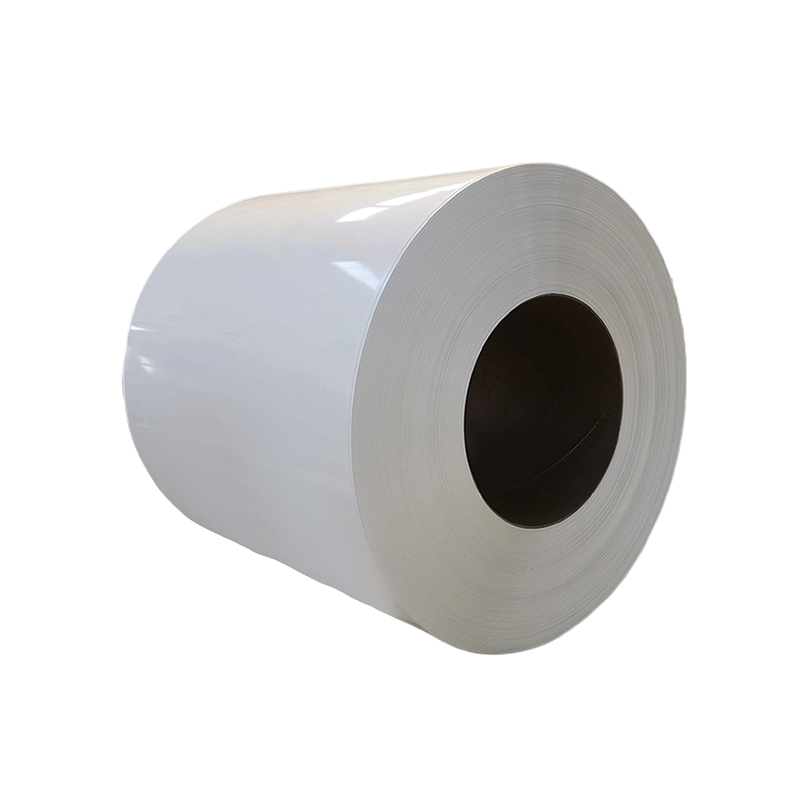
Zhejiang Aoguan Thin Steel Technology Co., Ltd. focuses on the production and sales of color-coated steel coils (PPGI and PPGL), integrating manufacturing and direct sales to provide reliable steel solutions for global markets. Its production capabilities support customers in Southeast Asia, Africa, the Middle East, and South America with stable product quality and customized requirements.
Comparing Galvanized Steel Coils with Other Steel Materials
When selecting metal materials, manufacturers often compare galvanized steel coils with other steel products based on corrosion resistance, processing ability, and application requirements.
| Material Type |
Corrosion Resistance |
Processing Performance |
Typical Applications |
| Galvanized Steel Coils (GI) |
High due to zinc protection |
Good forming and fabrication ability |
Construction, appliances, automotive parts |
| Cold Rolled Steel |
Limited without additional coating |
Excellent surface finish and precision |
Indoor components and manufacturing parts |
| Stainless Steel |
Excellent corrosion resistance |
Strong durability but higher material requirements |
High-corrosion environments |
Galvanized steel coils offer a balanced solution between performance and cost, making them suitable for a wide range of industrial manufacturing needs.
Why Quality Testing Matters for Galvanized Steel Coil Selection
Reliable quality inspection ensures that galvanized steel coils meet application requirements throughout their service life. Important testing procedures include coating thickness measurement, chemical composition analysis, surface inspection, and mechanical property testing.
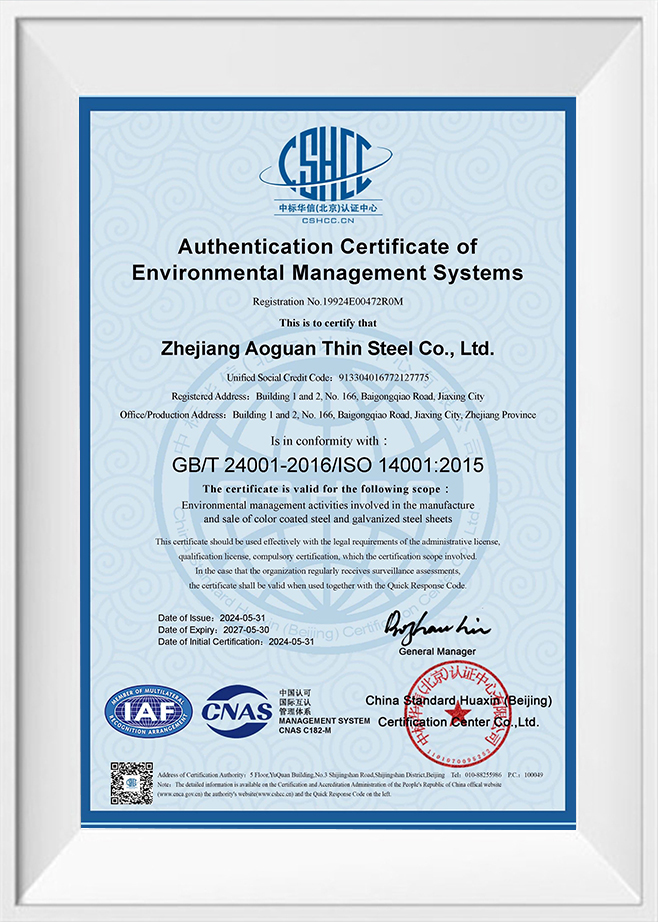
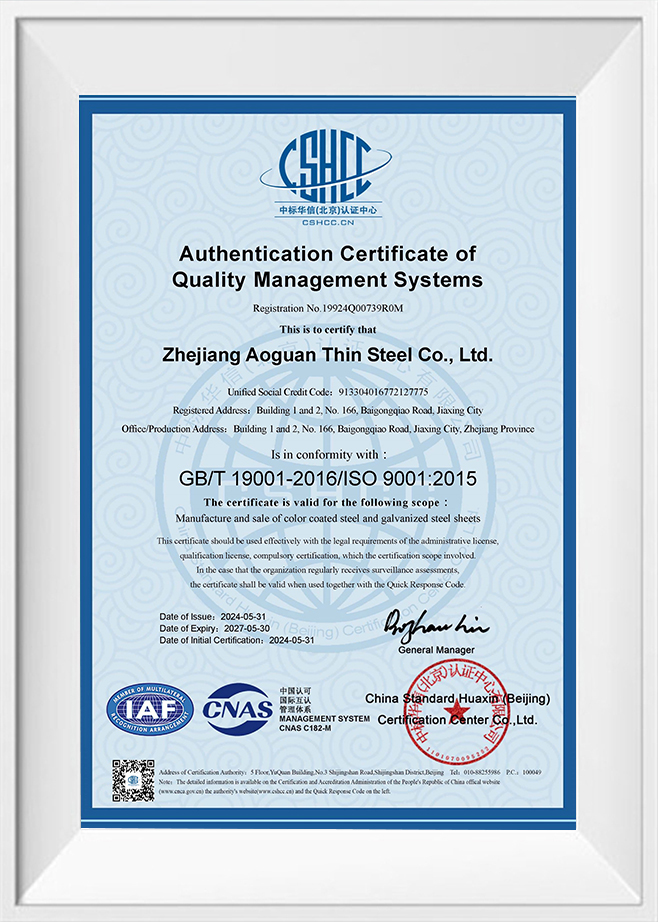
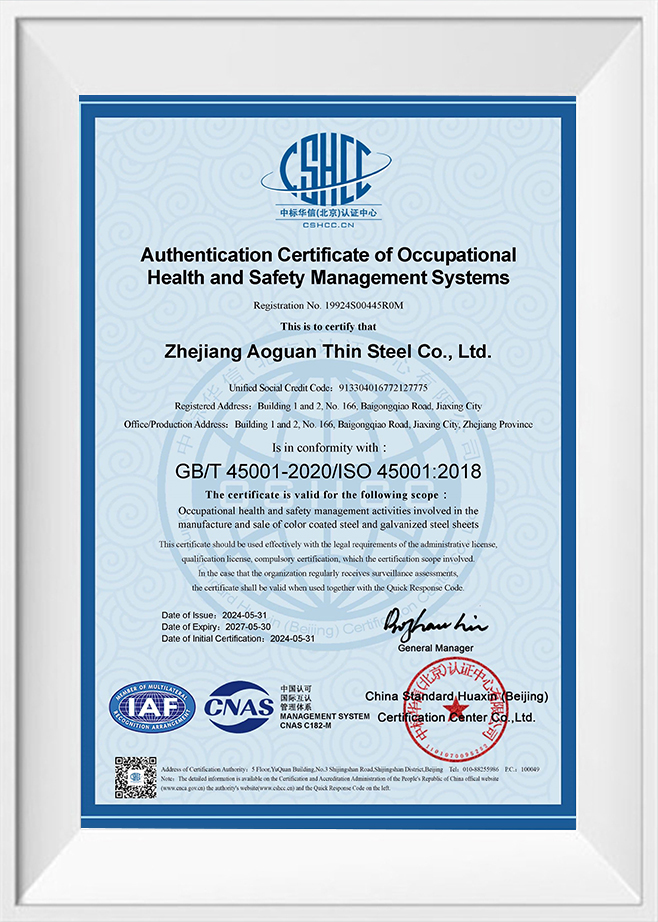
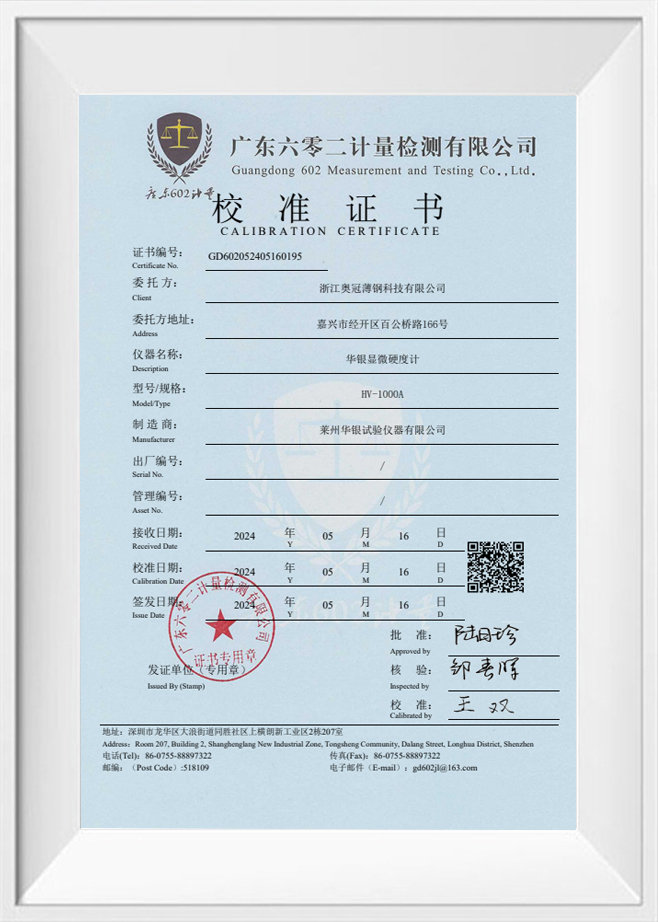
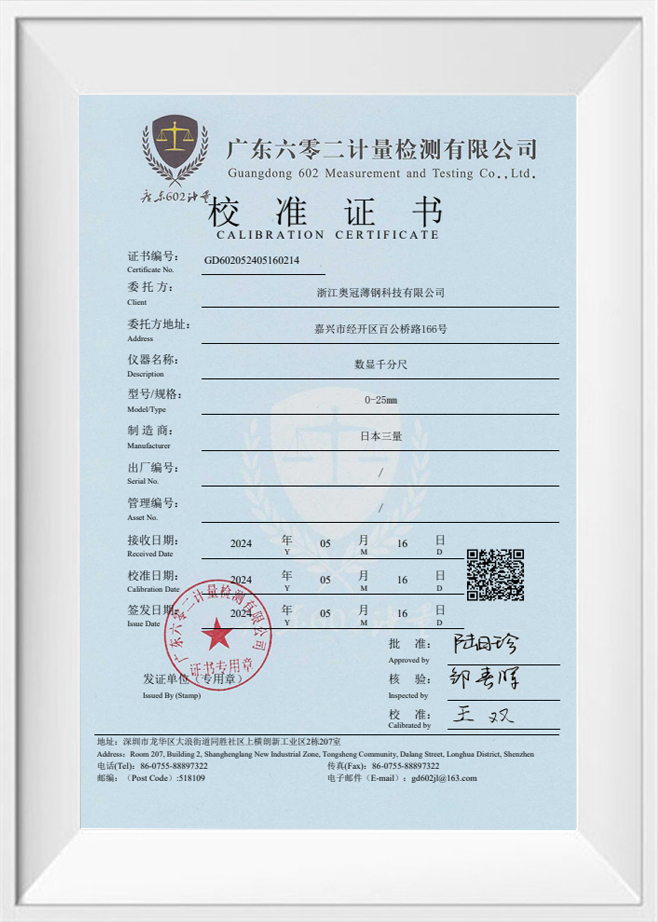
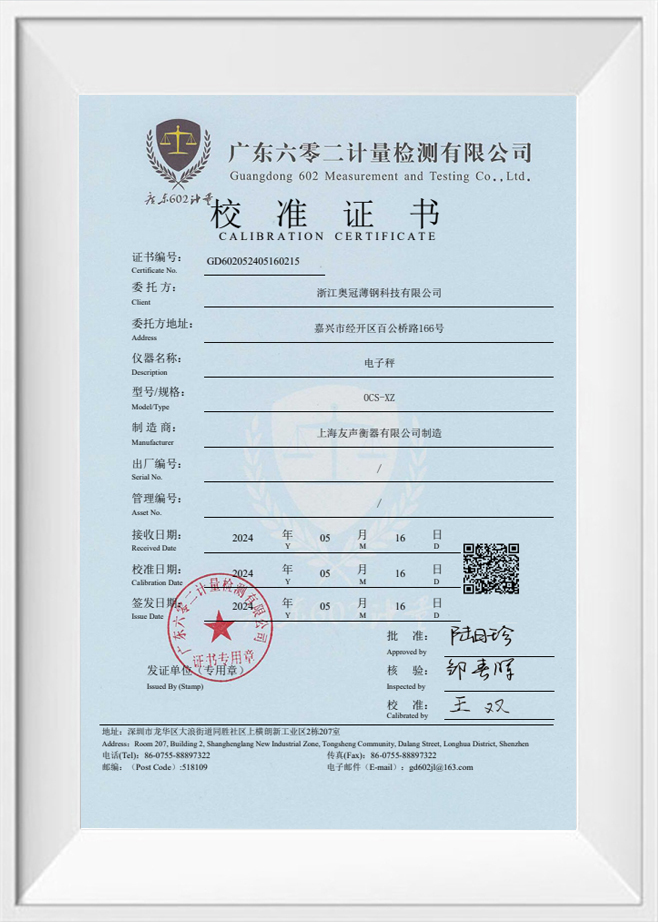
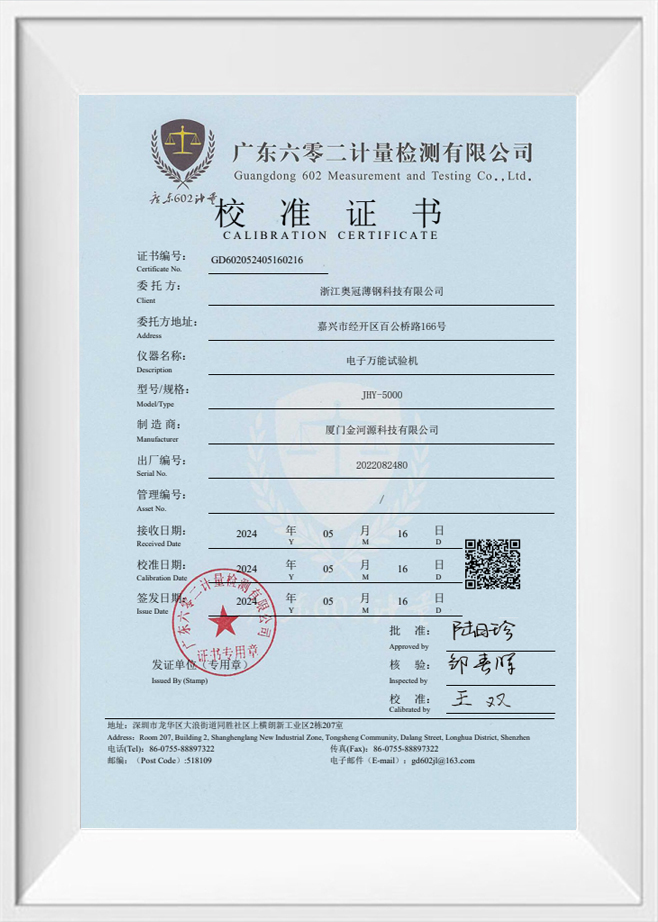
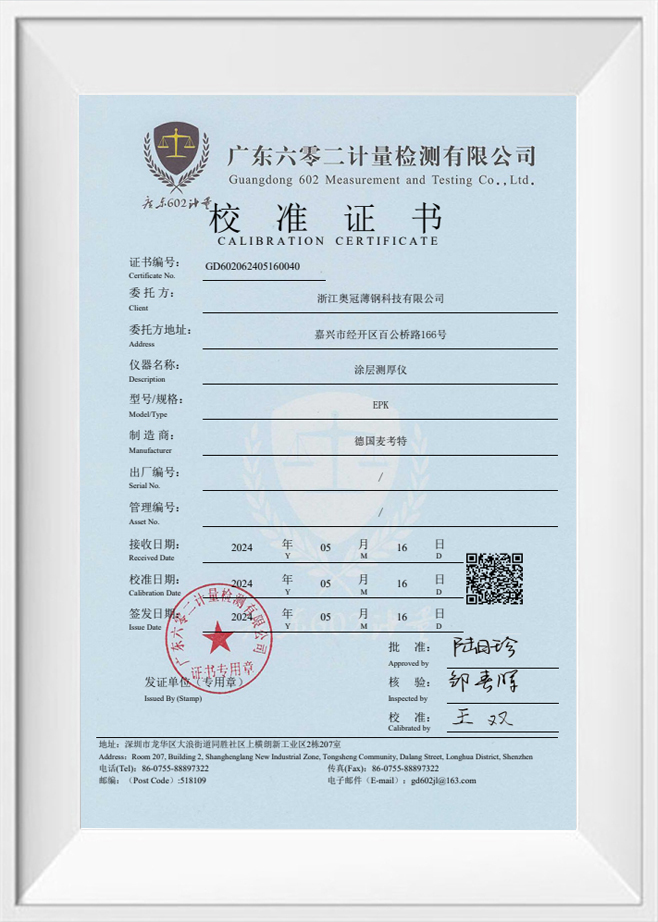
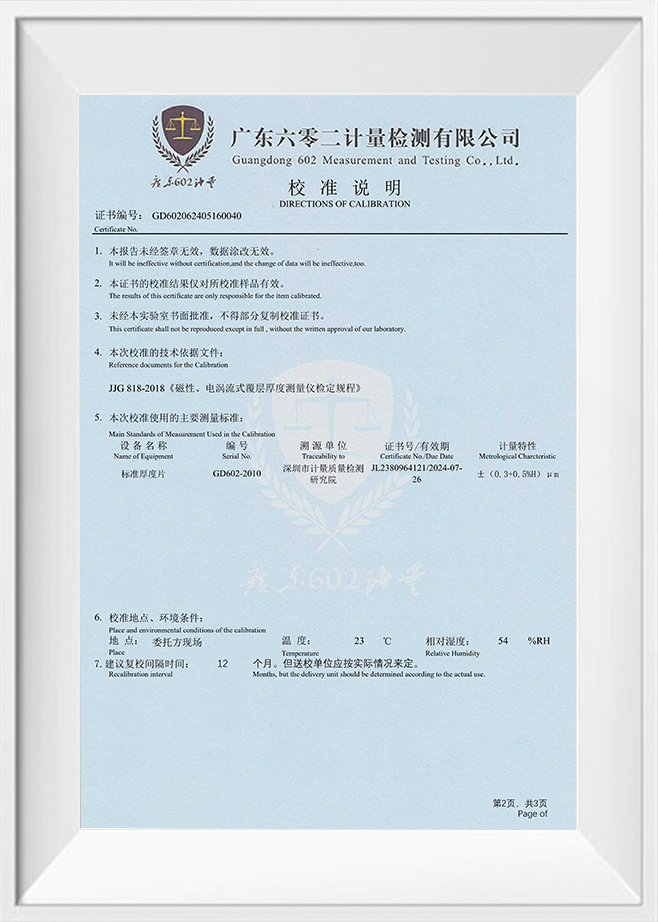
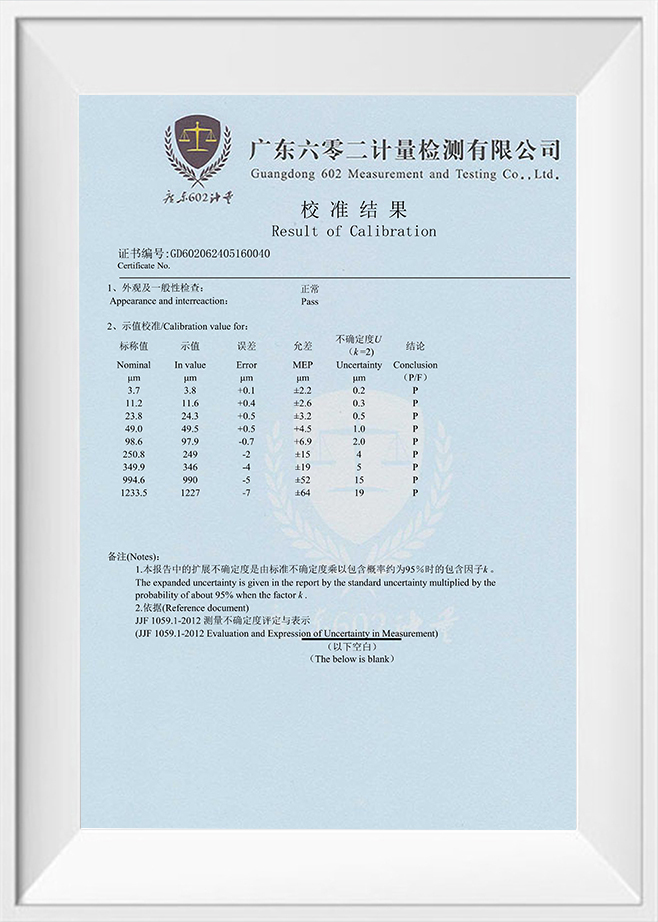
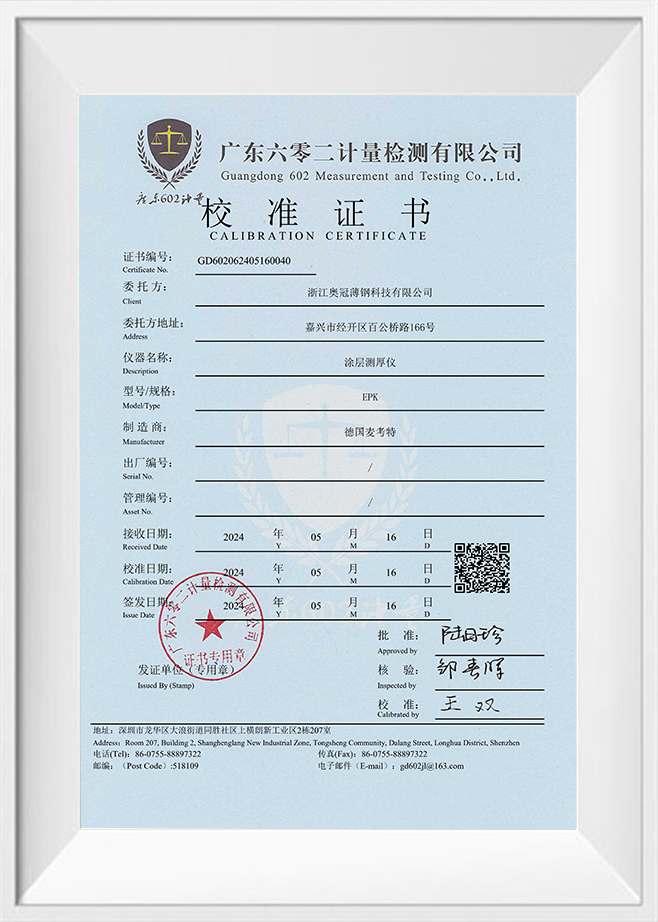
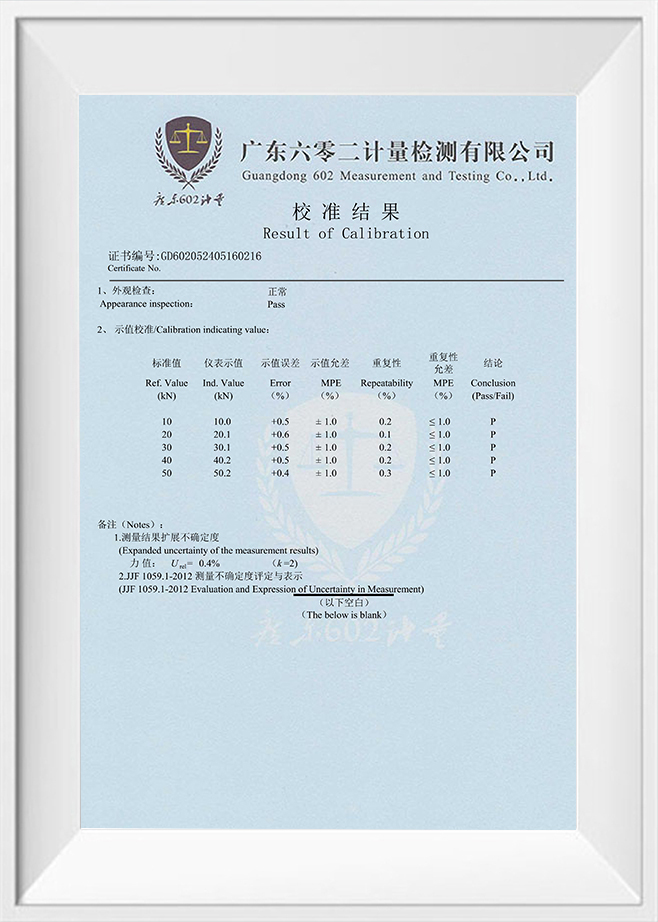
Zhejiang Aoguan Thin Steel Technology Co., Ltd. operates Aoguan Laboratory, which is accredited by CNAS and covers multiple testing indicators. The laboratory uses advanced equipment such as coating thickness gauges, spark direct-reading spectrometers, and colorimeters to evaluate product performance.
Through coating thickness control, wet film measurement, color testing, passivation treatment, and two-coat two-bake technology, the company improves coating stability and surface durability. These quality control methods help maintain consistent galvanized and coated steel coil performance for different industrial applications.
Applications of Galvanized Steel Coils (GI) in Different Industries
Galvanized steel coils are widely used because they combine strength, corrosion resistance, and processing flexibility.
Construction Industry
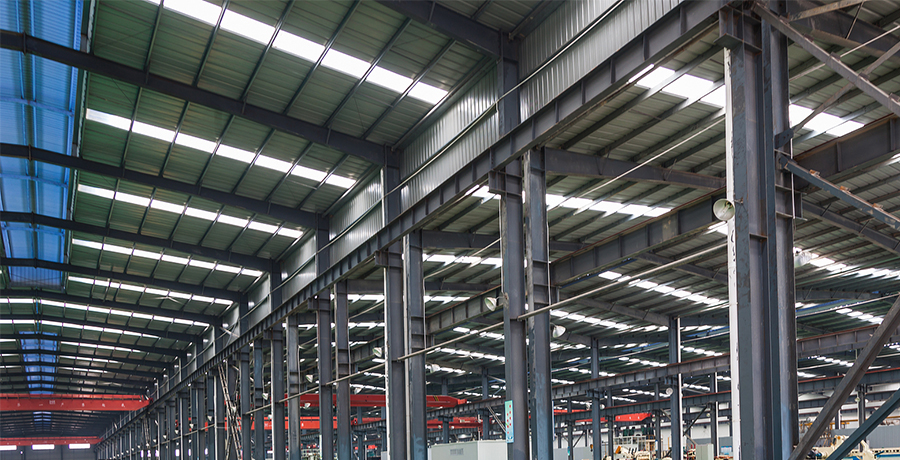
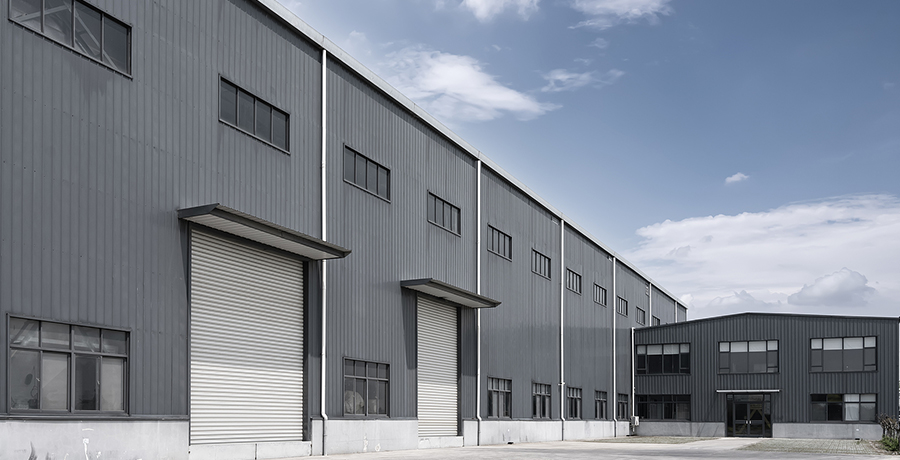
In construction, galvanized steel coils are commonly used for roofing systems, wall panels, structural components, ventilation systems, and building accessories. Their resistance to weather conditions makes them suitable for long-term outdoor use.
Automotive Manufacturing
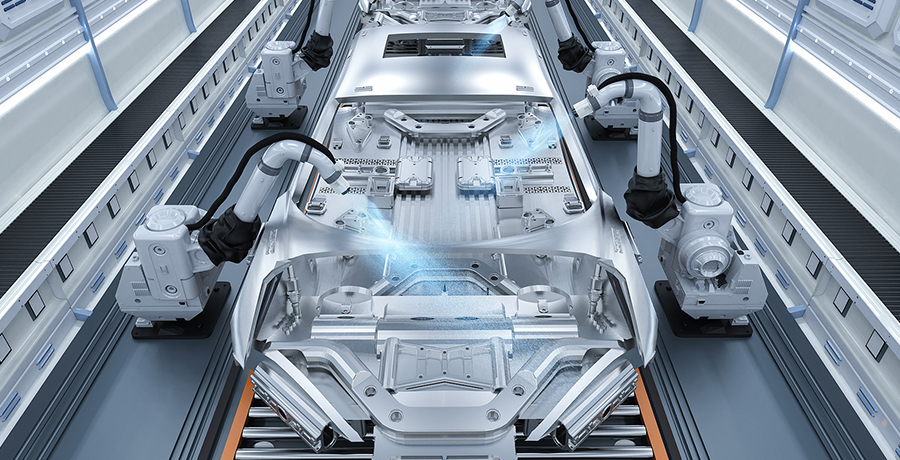
Automotive manufacturers use galvanized steel coils for body panels, structural parts, and protective components. The zinc coating helps improve vehicle corrosion resistance while maintaining good forming performance.
Home Appliances
Galvanized steel is applied in refrigerators, washing machines, air-conditioning equipment, and other household appliances. Its smooth surface and coating compatibility support both functional performance and appearance requirements.
Industrial Equipment
Industrial machinery and equipment require materials with stable strength and corrosion protection. Galvanized steel coils provide dependable performance for equipment housings, protective covers, and fabricated components.
How to Improve the Service Life of Galvanized Steel Coils?
Proper handling, storage, and processing are essential to maintain galvanized steel coil performance. During transportation and storage, coils should be protected from excessive moisture and contamination. Processing operations should also avoid damaging the zinc coating, as exposed steel areas may become vulnerable to corrosion.
Regular inspection of finished products can help identify surface damage and maintain long-term reliability. Selecting appropriate surface treatments and coatings according to environmental conditions can further improve durability.
Zhejiang Aoguan Thin Steel Technology Co., Ltd. continues to optimize steel coil production through integrated manufacturing systems and technical development. The company’s products feature controlled coating performance, stable surface quality, and customized solutions for different market requirements.
Conclusion
Selecting the right galvanized steel coils (GI) requires careful consideration of application conditions, steel grade, zinc coating performance, surface quality, and processing requirements. A suitable galvanized steel coil can provide excellent corrosion resistance, manufacturing efficiency, and long-term economic value across multiple industries.
With increasing demand for durable and reliable metal materials, galvanized steel coils remain an important choice for construction, manufacturing, transportation, and industrial applications. Professional material selection combined with strict quality control helps ensure better product performance and service life.
FAQ
1. What are galvanized steel coils (GI) mainly used for?
Galvanized steel coils (GI) are widely used in construction, automotive parts, home appliances, industrial equipment, and other applications requiring corrosion resistance and durable metal performance.
2. How does zinc coating improve galvanized steel coil performance?
The zinc coating creates a protective barrier that prevents direct exposure of steel to moisture and oxygen. It also provides sacrificial protection to reduce corrosion risk.
3. What factors should be considered when purchasing galvanized steel coils?
Buyers should consider steel grade, zinc coating quality, surface condition, mechanical properties, processing requirements, and the final application environment.
4. Can galvanized steel coils be painted or further processed?
Yes. High-quality galvanized steel coils usually have good coating adhesion and can be processed through cutting, bending, stamping, and additional surface finishing.
5. How can the service life of galvanized steel coils be extended?
Proper storage, suitable processing methods, protective coatings, and regular quality inspections can help maintain galvanized steel coil performance and extend service life.


 English
 Français
 Español
 عربى
عربى