Key Process Technologies for Controlling Surface Quality of Galvanized Aluminium-Magnesium Steel Coil
At Zhejiang Aoguan Thin Steel Technology Co., Ltd., we are committed to delivering high-quality products to our global clients in Southeast Asia, Africa, the Middle East, and South America. Mastering advanced production technologies is central to this commitment. The control of surface quality is a critical technical challenge in the hot-dip galvanizing process for Aluminium-Magnesium steel coils, specifically addressing common defects like black spots and zinc blisters.
This article explores the key process technologies used to control these surface defects, incorporating advanced research and practical production innovations.
1. Bath Composition Design for Defect Suppression
Controlling the chemical composition of the plating bath is fundamental to preventing surface defects from forming during the solidification process.
- Al/Mg Ratio Optimization: Research has revealed that a specific Al-Mg ratio (1.0 to 1.5) in the plating bath is critical. This composition helps inhibit the formation of coarse binary eutectic structures, which are a primary cause of the common surface black spot defect.
- Micro-Alloying Elements: The addition of elements like Titanium (Ti) and Boron (B) in specific ratios (e.g., Ti/B 4.0~10.0) acts as a grain refiner. This promotes a more uniform distribution of phases within the coating, reducing the susceptibility to blackening and improving overall surface quality.
2. Advanced Process Control in the Galvanizing Line
Sophisticated control over the continuous galvanizing line's key stages is essential. For a company like Zhejiang Aoguan Thin Steel Technology Co., Ltd., investing in precise process control ensures consistent product quality for its international markets.
- Cooling Regime Control: Adopting a "slow cooling followed by rapid cooling" regime after the plating process has been proven to suppress the formation of coarse eutectic phases, thereby eliminating black spot defects. Controlling the cooling fan power can also reduce the occurrence of black spots by modifying the coating's solidification parameters.
- Atmosphere and Knife Technology: A "no-oxidation" process using air knife nitrogen purging helps prevent surface blowing lines by preventing the oxidation of the molten zinc-aluminium-magnesium bath. This improves the fluidity of the bath and its interaction with the steel strip.
For thicker coils, a systematic adjustment of the strip entry temperature, air knife distance, and air knife pressure relative to the strip thickness is necessary to control transverse stripes and edge defects.
3. Process Control Parameters for Thick Coils
Research has established clear correlations between process parameters and strip thickness to ensure high surface quality. This is particularly relevant for producing thicker gauge materials for structural applications.
| Strip Thickness (mm) |
Entry Temperature (°C) |
Air Knife Distance (mm) |
Air Knife Pressure (bar) |
| 1.5 |
470 |
12 |
3.0 |
| 2.0 |
475 |
14 |
3.5 |
| 2.5 |
480 |
16 |
4.0 |
| 3.0 |
485 |
18 |
4.5 |
These parameters demonstrate the need for dynamic adjustment to accommodate different product specifications, ensuring uniform coating weight and defect-free surfaces.
4. In-Line Defect Detection and Process Feedback
Modern production lines at Zhejiang Aoguan Thin Steel Technology Co., Ltd. incorporate real-time monitoring systems to maintain stringent quality standards. These systems are critical for reducing scrap and ensuring customer satisfaction.
- Automated Optical Inspection (AOI): High-resolution cameras and image processing software are used to detect surface defects like pinholes, scratches, and coating irregularities as they occur, allowing for immediate process adjustments.
- Thickness Monitoring: Continuous X-ray or beta-ray gauges monitor coating weight across the strip width. This feedback loop is used to dynamically adjust air knife parameters, minimizing coating weight variation and preventing related defects.
5. Coating Quality Enhancement through Post-Treatment
While the focus is often on the galvanizing process itself, post-treatment of the coil significantly affects its final surface quality and performance.
- Passivation and Sealing: A suitable passivation layer is applied to the galvanized surface to provide temporary protection against white rust during storage and transportation.
- Oil Application: Applying a thin layer of anti-corrosion oil can help prevent scratches and minor abrasions during slitting and forming operations, preserving the pristine surface quality achieved during the galvanizing process.
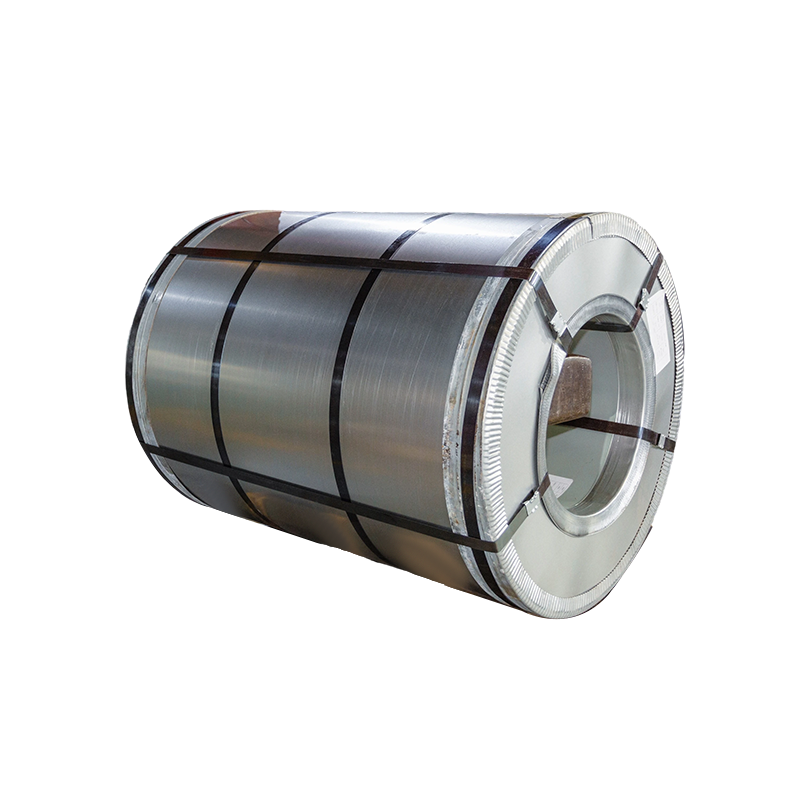
The combination of advanced metallurgical knowledge, precise process control, and state-of-the-art monitoring equipment enables the production of high-quality Galvanized Aluminium-Magnesium Steel Coil that meets the stringent demands of global markets.
Frequently Asked Questions (FAQ)
FAQ 1: What are the primary advantages of Galvanized Aluminium-Magnesium Steel Coil over traditional galvanized steel?
Galvanized Aluminium-Magnesium Steel Coil offers significantly superior corrosion resistance, often 5 to 10 times better than conventional hot-dip galvanized steel. This is due to the synergistic effect of aluminium and magnesium in the coating. These elements form stable, insoluble corrosion products that provide self-healing protection at cut edges (edge creep resistance) and scratched areas. This makes it an ideal choice for demanding applications like solar panel structures and roofing in coastal or industrial environments.
Zhejiang Aoguan Thin Steel Technology Co., Ltd. is a professional manufacturer specializing in this advanced material. With our own factories in Zhejiang, Jiangsu, and Anhui, we ensure strict quality control from raw material to finished coil. We supply high-quality Galvanized Aluminium-Magnesium Steel Coils to customers in Southeast Asia, Africa, the Middle East, and South America, offering reliable products and professional service.
FAQ 2: How does the coating weight of Galvanized Aluminium-Magnesium Steel Coil affect its performance in different environments?
Coating weight is a critical factor that determines the service life of the steel coil. For outdoor applications exposed to high humidity, salt spray, or industrial pollution, a heavier coating (e.g., ZM120 or ZM200) is recommended to provide a thicker sacrificial layer. For indoor or less aggressive environments, a lighter coating (e.g., ZM60 or ZM80) can offer cost-effective performance. The choice depends on the specific requirements of the application.
Zhejiang Aoguan Thin Steel Technology Co., Ltd. offers a comprehensive range of coating weights to meet the diverse needs of our global clientele. As a direct manufacturer with integrated production capabilities, we can provide custom solutions and competitive pricing. Our sales headquarters in Chuansha, Shanghai, coordinate with our three manufacturing plants to ensure timely delivery of high-quality Galvanized Aluminium-Magnesium Steel Coil to customers worldwide.
FAQ 3: What should I consider when forming or welding Galvanized Aluminium-Magnesium Steel Coil?
When forming this material, it is important to use equipment suitable for higher strength grades and to ensure good contact to avoid damaging the coating. Galling of forming tools can occur if proper lubrication is not used. During welding, the zinc-aluminium-magnesium coating can produce fumes, so adequate ventilation is necessary. It is generally recommended to remove the coating at the weld area using appropriate techniques (e.g., grinding) to ensure weld quality and fume management.
At Zhejiang Aoguan Thin Steel Technology Co., Ltd., we not only provide premium materials but also offer technical support to help our partners successfully process and utilize our steel coils. Our experience in serving diverse industries and applications has given us deep knowledge in fabrication and use. We strive to be a reliable partner, offering solutions that contribute to our clients' success in their respective markets.
Long-Term Corrosion Behavior and Service Life Prediction Model of ZAM Steel Coil Under Different Atmospheric Environments
Zhejiang Aoguan Thin Steel Technology Co., Ltd. is committed to delivering high-quality products to clients in Southeast Asia, Africa, the Middle East, and South America. Understanding the long-term corrosion behavior of ZAM (Zinc-Aluminium-Magnesium) steel coil under various atmospheric conditions is essential for providing reliable solutions to our global customers. This article examines the corrosion performance and established prediction models for ZAM steel coil across different environmental corrosivity categories (C3 to C5).
1. Corrosion Behavior of ZAM Steel Coil in Different Atmospheric Environments
Field exposure tests conducted in typical Chinese atmospheric environments (Wanning, Jiangjin, Qingdao, and Turpan) have provided valuable data on the corrosion resistance of ZAM coatings compared to traditional galvanized products.
- Urban Environment (C3): In areas with moderate humidity and low pollution, the ZAM coating exhibits a very low corrosion rate. The protective layer remains intact for extended periods, with minimal red rust formation even after several years of exposure. The corrosion rate is typically less than 1 µm/year.
- Industrial Environment (C4): In zones with higher SO₂ concentrations and industrial pollutants, the ZAM coating demonstrates superior resistance. The formation of stable, insoluble corrosion products containing basic zinc carbonate and layered double hydroxides effectively inhibits further corrosion. The corrosion rate is approximately 1.5-2.5 µm/year, significantly lower than pure zinc coatings which show rates of 5-8 µm/year under the same conditions.
- Coastal High-Salt Environment (C5): In marine atmospheres with high chloride deposition (e.g., Wanning, Hainan), the ZAM coating shows remarkable performance. The corrosion rate of ZAM is only about 1.5-2.0 µm/year, while pure galvanized coatings corrode at rates of 7-9 µm/year under identical conditions. This means ZAM can provide up to 4-5 times longer service life in severe coastal environments.
For Zhejiang Aoguan Thin Steel Technology Co., Ltd., this superior corrosion resistance makes ZAM steel coil an ideal choice for our customers in coastal regions of Southeast Asia and the Middle East, where high humidity and salt spray are major concerns.
2. Key Factors Influencing Corrosion Kinetics
The corrosion behavior of ZAM steel coil is governed by several environmental and material factors that must be considered for accurate service life prediction.
- Chloride Deposition Rate: This is the most critical factor in marine environments. Higher Cl⁻ deposition accelerates the breakdown of the passive film, but the self-healing ability of the ZAM coating helps mitigate this effect.
- SO₂ Concentration: In industrial zones, SO₂ reacts with moisture to form acidic solutions that can attack the coating. The magnesium in the ZAM alloy helps neutralize this acidity through the formation of basic magnesium sulfates.
- Relative Humidity and Time of Wetness: Higher humidity levels increase the electrochemical activity on the metal surface. The ZAM coating's ability to form a dense, adherent corrosion product layer reduces the effective time of wetness, slowing down the overall corrosion process.
- Coating Weight (G/m²): Heavier coatings provide a larger reservoir of sacrificial material, extending the protection period. Typical coating weights for ZAM products range from ZM60 to ZM275.
3. Service Life Prediction Model for ZAM Steel Coil
Based on extensive field data and laboratory accelerated tests (including salt spray, cyclic corrosion, and electrochemical impedance spectroscopy), a comprehensive service life prediction model has been developed for ZAM steel coil.
The model uses a power-law relationship to describe the corrosion loss over time:
D = A × tⁿ
where D is the corrosion depth (µm), t is the exposure time (years), A is the corrosion coefficient dependent on environmental aggressiveness, and n is the time exponent (typically 0.5-0.7 for ZAM coatings).
The environmental coefficient A is determined by parameters including chloride deposition rate, SO₂ concentration, and average relative humidity. For practical engineering applications, the service life is defined as the time until 5% of the surface area shows red rust.
4. Comparative Corrosion Data Across Environmental Zones
Long-term exposure data from multiple test sites provides the foundation for the prediction model. The following table summarizes the comparative corrosion performance of ZAM versus traditional galvanized (GI) steel coil:
| Environment Type |
Typical Location |
Corrosion Rate (GI) µm/year |
Corrosion Rate (ZAM) µm/year |
Service Life Ratio (ZAM/GI) |
| C3 - Urban |
Beijing |
2.5 |
0.8 |
3.1 |
| C4 - Industrial |
Chongqing (Jiangjin) |
6.0 |
2.0 |
3.0 |
| C5 - Coastal |
Wanning (Hainan) |
8.5 |
1.8 |
4.7 |
| C5 - Marine Industrial |
Qingdao |
7.2 |
1.6 |
4.5 |
These data clearly demonstrate that ZAM steel coil offers 3 to 5 times longer service life than conventional galvanized steel, with the greatest advantage observed in highly corrosive coastal and industrial environments. This makes ZAM Steel Coil an excellent choice for construction and infrastructure projects in harsh climates.
5. Practical Application of the Prediction Model
The service life prediction model allows engineers and specifiers to select the appropriate ZAM coating weight for specific environmental conditions.
- For C3 Environments: ZM60 to ZM80 coating weight is typically sufficient for 20-25 years of maintenance-free service.
- For C4 Environments: ZM120 to ZM160 coating weight is recommended for 20-30 years of service life.
- For C5 Environments: ZM200 to ZM275 coating weight is required to achieve 20-30 years of protection, especially in direct coastal exposure.
At Zhejiang Aoguan Thin Steel Technology Co., Ltd., we leverage this scientific understanding to recommend the optimal ZAM steel coil specifications for our customers' specific project environments. With manufacturing facilities in Zhejiang, Jiangsu, and Anhui, and our sales headquarters in Chuansha, Shanghai, we ensure that our products meet the rigorous demands of diverse climates across Southeast Asia, Africa, the Middle East, and South America.
Frequently Asked Questions (FAQ)
FAQ 1: How does the corrosion resistance of ZAM steel coil compare to traditional galvanized steel in actual outdoor applications?
In real-world applications, ZAM steel coil provides significantly superior corrosion protection. Based on field exposure tests, ZAM offers 3 to 5 times longer service life than conventional galvanized steel, with the most dramatic improvement observed in coastal and industrial environments. For example, in high-salinity coastal areas (C5 environment), ZAM corrodes at only 1.8 µm/year compared to 8.5 µm/year for galvanized steel, extending the time to first red rust from approximately 5 years to over 20 years for typical coating weights.
Zhejiang Aoguan Thin Steel Technology Co., Ltd. is a professional manufacturer specializing in high-performance steel coil products. With our integrated production facilities and strict quality control systems, we provide reliable ZAM steel coil solutions to customers in Southeast Asia, Africa, the Middle East, and South America. Our commitment to quality and innovation ensures that our products meet the most demanding environmental requirements.
FAQ 2: What coating weight of ZAM steel coil should I choose for a seaside building project (C5 environment)?
For seaside building projects exposed to C5 marine environments (high salt spray and humidity), a coating weight of ZM200 (200 g/m²) to ZM275 (275 g/m²) is typically recommended. This coating thickness provides a sufficient zinc-aluminium-magnesium reservoir to ensure 20-30 years of maintenance-free service. For structural components like roof panels, wall cladding, and supporting frames, ZM200 is the most cost-effective choice, while ZM275 is preferred for critical or highly exposed elements.
Zhejiang Aoguan Thin Steel Technology Co., Ltd. offers a complete range of ZAM steel coil products with various coating weights to meet diverse application needs. Our technical team provides professional guidance to help you select the most appropriate specification for your specific environmental conditions and project requirements. We are dedicated to delivering high-quality ZAM Steel Coil with reliable performance and competitive pricing.
FAQ 3: Can the service life prediction model for ZAM steel coil be applied to all climates, including tropical and desert regions?
Yes, the service life prediction model is adaptable to various climate zones, including tropical and desert regions. However, the model parameters must be adjusted based on local environmental factors. In tropical areas like Southeast Asia, high temperatures and humidity accelerate corrosion, so the model uses higher corrosion coefficients. In desert areas like the Middle East, low humidity and absence of chlorides result in significantly slower corrosion rates, allowing for lighter coating weights or extended service life predictions. Site-specific data on temperature, humidity, rainfall, and airborne pollutants should be incorporated for accurate predictions.
Zhejiang Aoguan Thin Steel Technology Co., Ltd. brings extensive experience serving diverse international markets. Our products have been successfully deployed across Southeast Asian coastal areas, African industrial zones, Middle Eastern arid regions, and South American urban environments. We combine scientific prediction models with practical field experience to recommend the optimal ZAM steel coil solutions for each unique application, ensuring long-term performance and customer satisfaction.


 English
 Français
 Español
 عربى
عربى