Coating System Selection Determines Real-World Weathering Life, Not Just Initial Color
PPGI and PPGL coils are often compared purely on which one looks better off the coil, but the coating chemistry underneath the color layer is what actually decides how long that finish survives outdoors. Silicone-modified polyester (SMP) coatings hold up reasonably well against moderate UV exposure and cost less, while PVDF-based coatings resist chalking and color fade far longer under intense UV and salt-air conditions, which matters enormously for coastal projects across Southeast Asia and the Middle East. Choosing the cheaper coating system for a coastal roofing project isn't a cost saving once you account for the color degradation and premature recoating that follows within a few years.
The zinc-aluminum alloy layer beneath the paint matters just as much as the paint itself. Standard hot-dip galvanized (PPGI) substrates rely on zinc's sacrificial protection, which corrodes preferentially to protect the base steel but depletes over time in aggressive environments. Galvalume-coated (PPGL) substrates, with their aluminum-zinc alloy layer, generally deliver longer corrosion resistance in humid or coastal climates because the aluminum content forms a more stable barrier layer. Zhejiang Aoguan Thin Steel Technology matches coating and substrate combinations to a project's actual climate exposure rather than defaulting to a single standard specification across every export market.
Gauge and Substrate Grade Selection Affects Structural Performance More Than Buyers Expect
Base steel grade and gauge thickness get chosen based on cost far more often than they get chosen based on the actual structural load the finished product will carry, and that shortcut shows up later as excessive deflection or premature fatigue in roofing and cladding applications. A higher-yield-strength substrate allows a thinner gauge to carry the same structural load, which can reduce material cost and shipping weight simultaneously, but only if the coil is properly specified against the finished product's span and load requirements rather than substituted in purely to hit a price target.
Roofing & Cladding
Requires balanced flexibility and yield strength to resist wind uplift without cracking the coating during roll-forming.
Structural Framing
Prioritizes higher-yield-strength substrates to carry load at reduced gauge and lower shipping weight.
Appliance Panels
Favors surface flatness and coating adhesion under repeated forming over raw tensile strength.
Container & Cold Storage
Demands stable color retention and coating integrity under continuous thermal cycling.
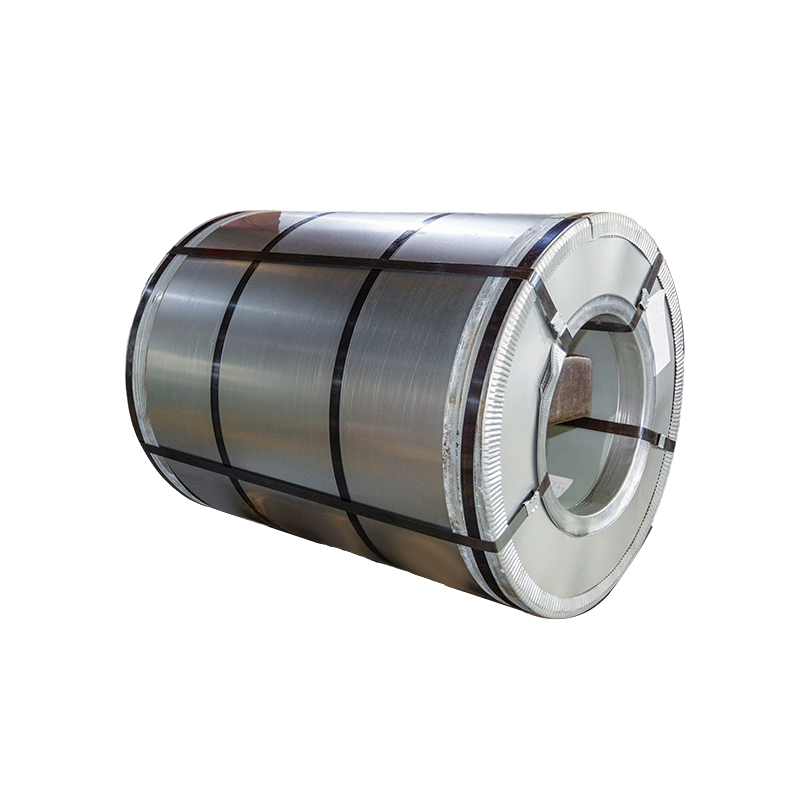
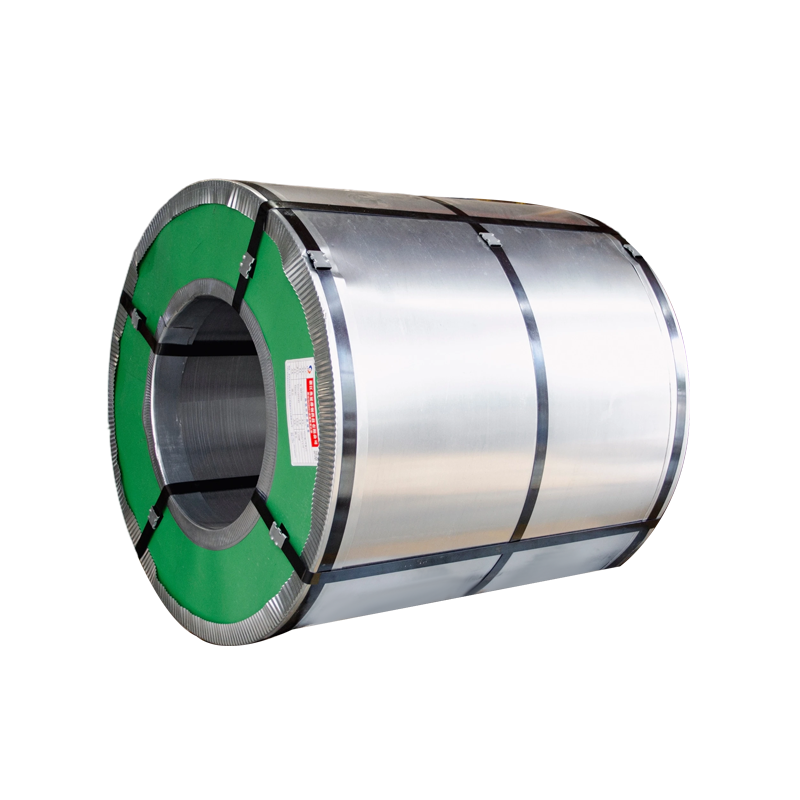
Roll-forming behavior is the detail most often overlooked at the specification stage. A coating that adheres perfectly on a flat test panel can still crack along a tight bend radius if the substrate's elongation properties weren't matched to the coating's flexibility, which is why coil suppliers who also understand downstream forming tend to specify substrates more reliably than those working purely from a materials datasheet, a factor built into how a Color Coated Steel Coil is specified for different end-use applications.
Export Packaging Is a Corrosion-Prevention System, Not Just Transit Protection
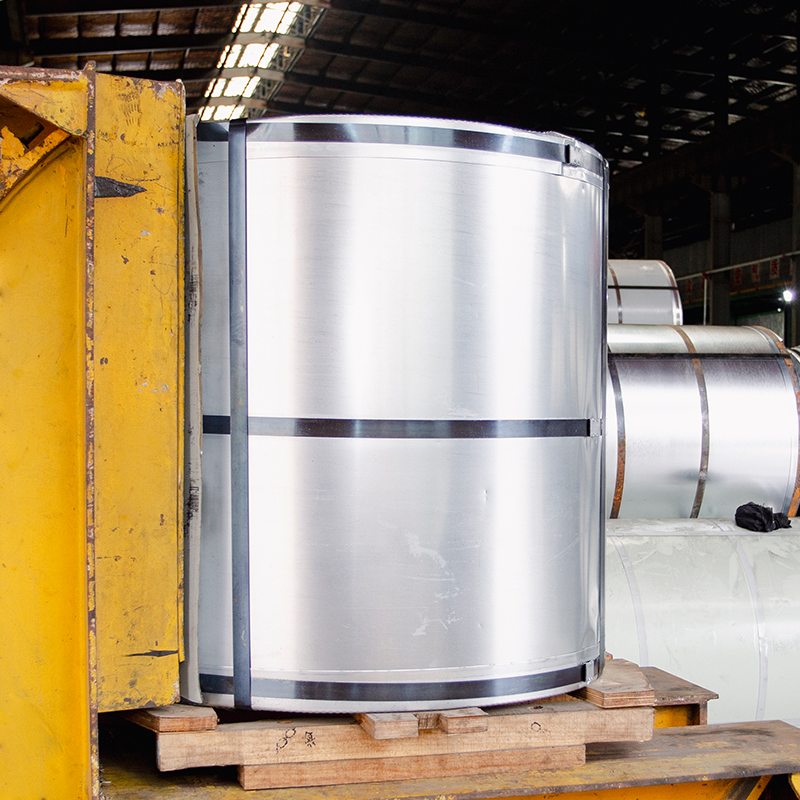
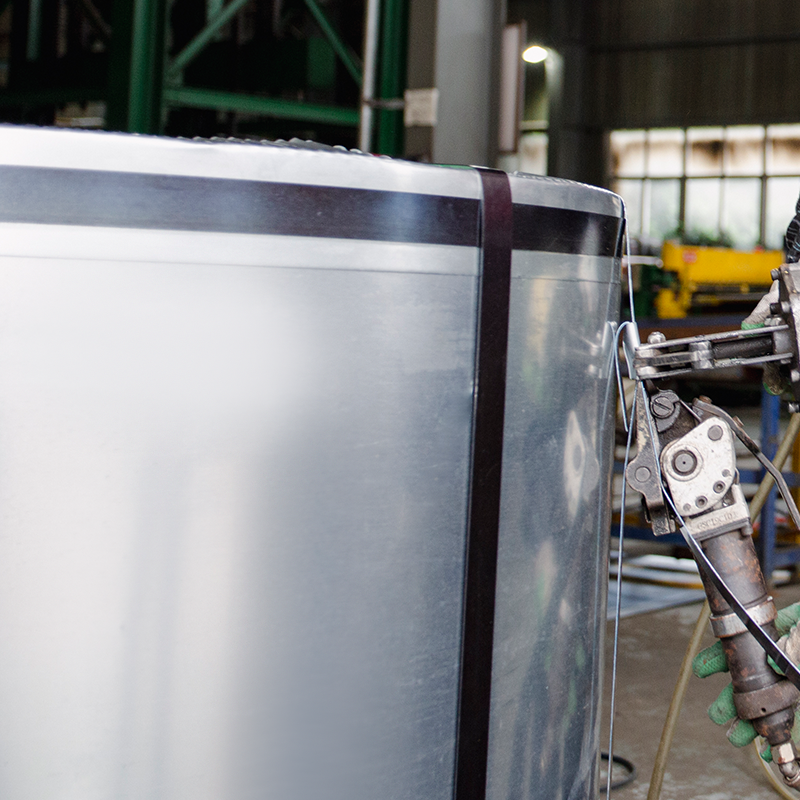
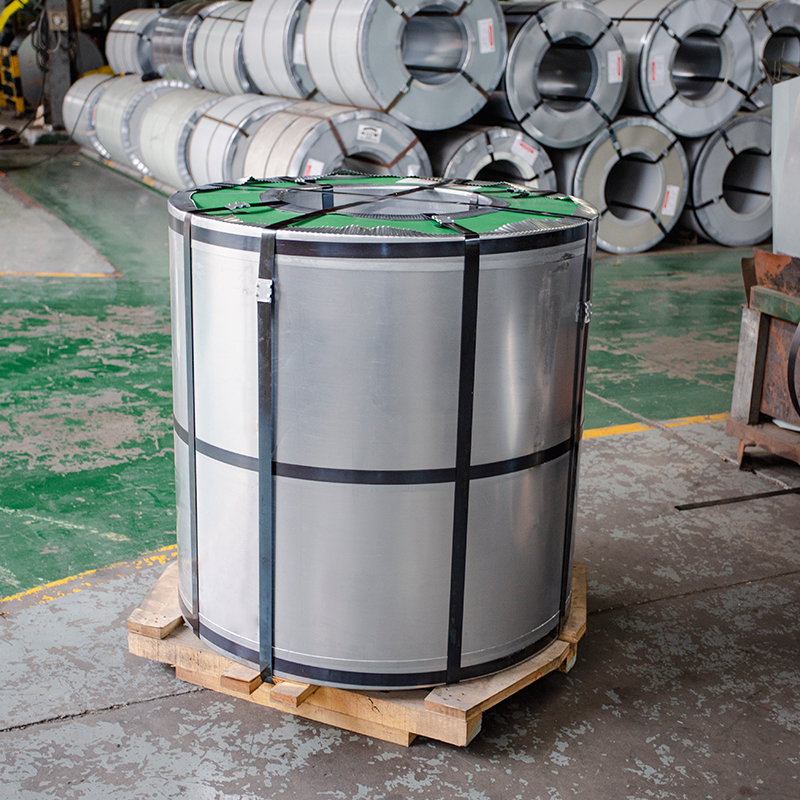
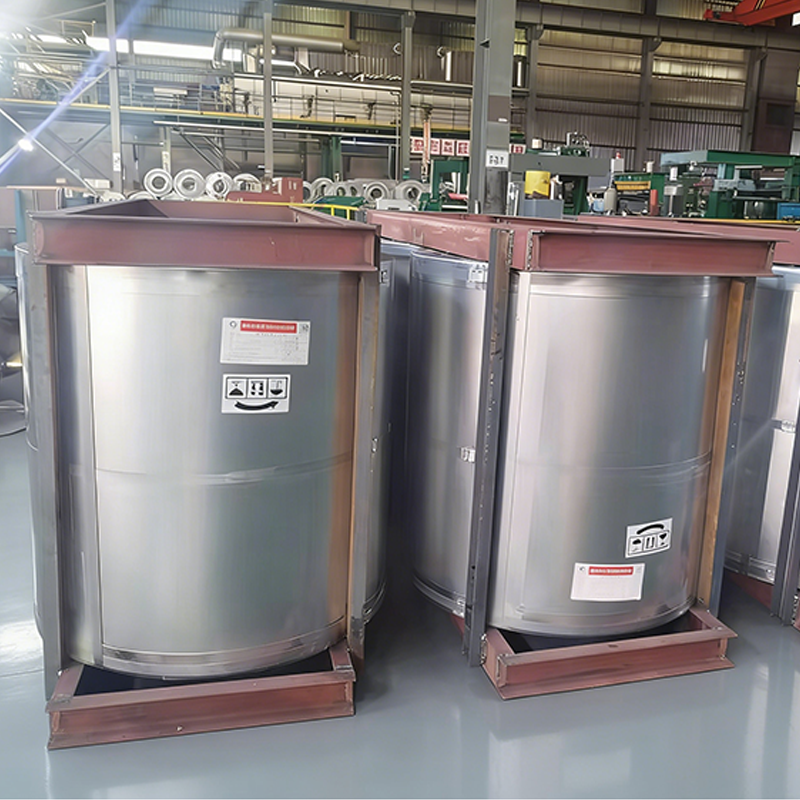
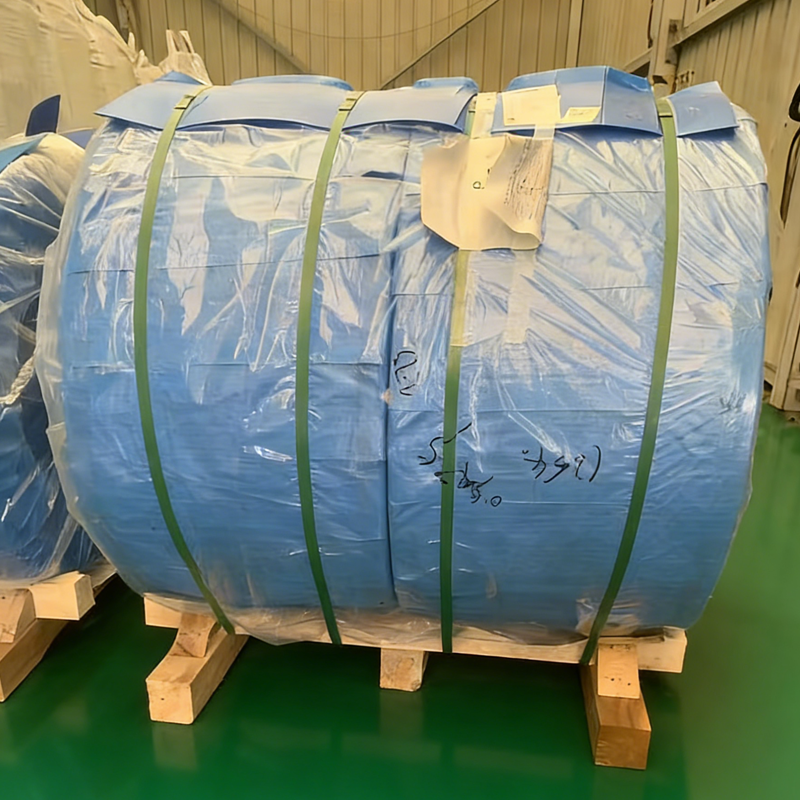
Steel coils traveling by sea to Southeast Asia, Africa, South America, or the Middle East face weeks of exposure to humidity, condensation, and salt air inside a shipping container, and packaging that merely prevents physical scratching during handling isn't sufficient protection against that environment. Effective coil packaging combines a moisture-barrier wrap, often VCI-treated paper or plastic film, with edge protectors and steel or woven strapping that keeps the coil's wind tight enough to prevent condensation from working its way between wraps of coated steel during long ocean transit.
- Apply a moisture-barrier inner wrap directly against the coil surface before any outer packaging.
- Use VCI (vapor corrosion inhibitor) paper or film for shipments crossing high-humidity climate zones.
- Secure coil ends and edges with dedicated edge protectors to prevent telescoping during handling.
- Apply desiccant inside sealed outer wrapping for extended transit times or container storage.
Condensation damage inside a sealed coil is one of the most common and most preventable causes of claims on export shipments, and it typically traces back to inadequate moisture barrier selection rather than any defect in the coating itself. Getting this right depends on treating Steel Coil Packaging as an engineering decision tied to destination climate and transit duration, not a generic final step applied identically to every shipment.
Verifying Quality Before It Leaves the Factory Protects Buyers Across Long Supply Chains
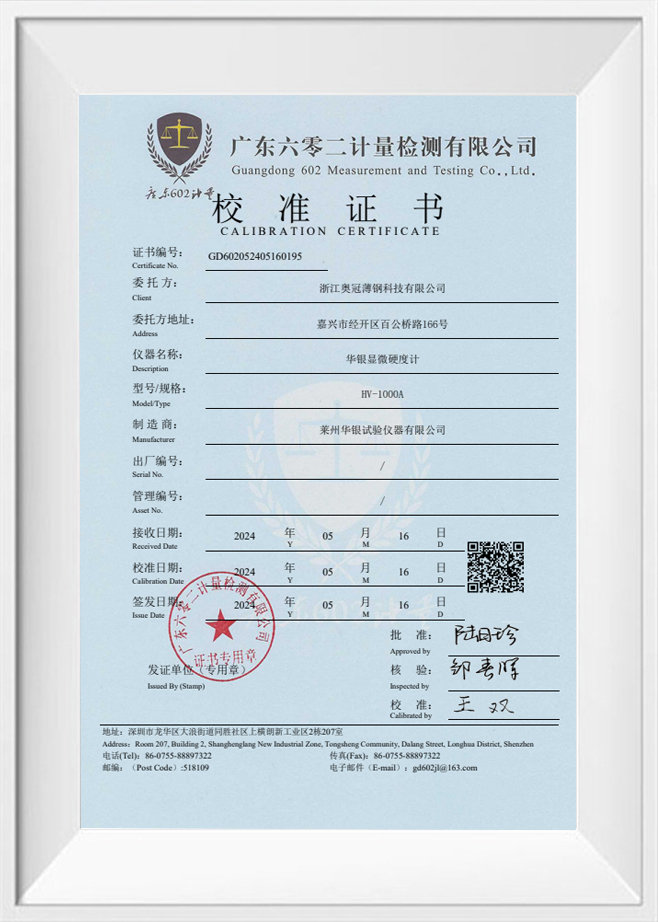
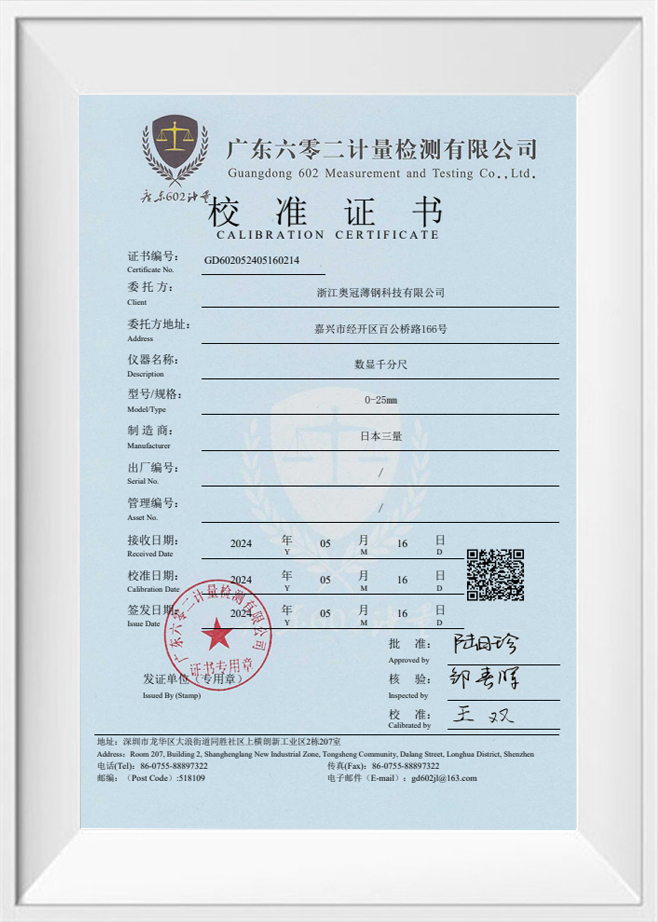
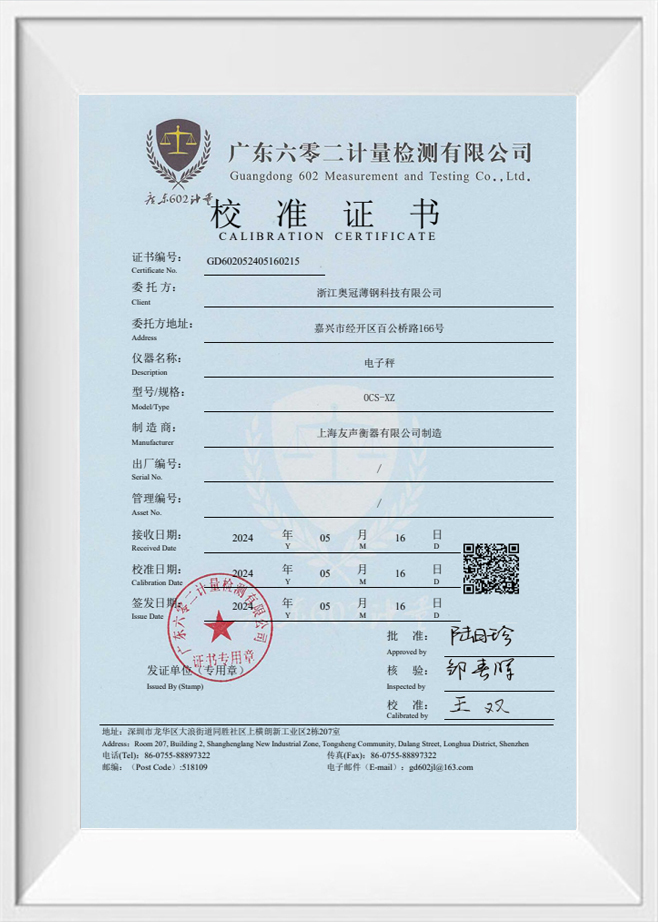
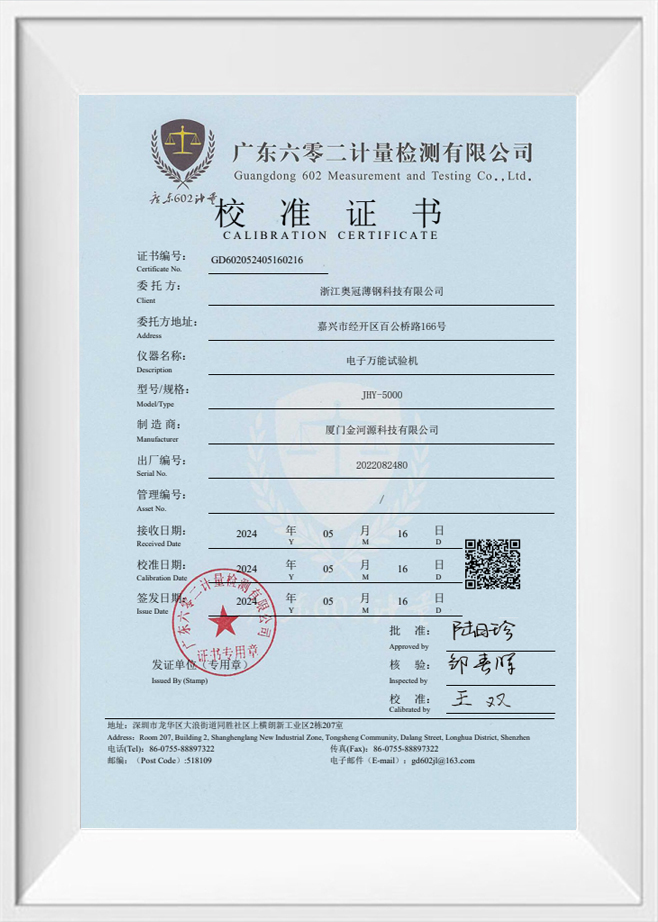
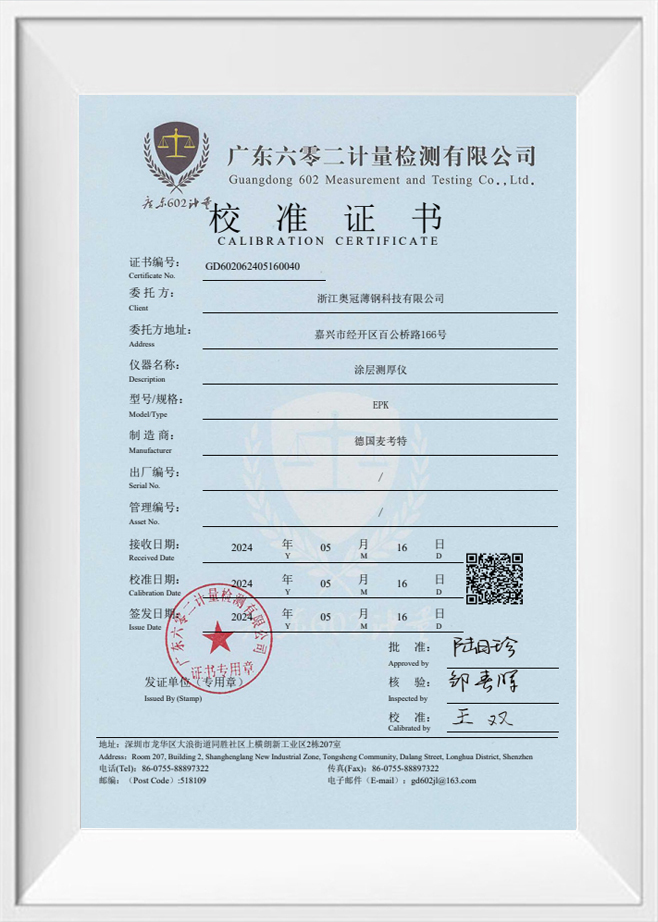
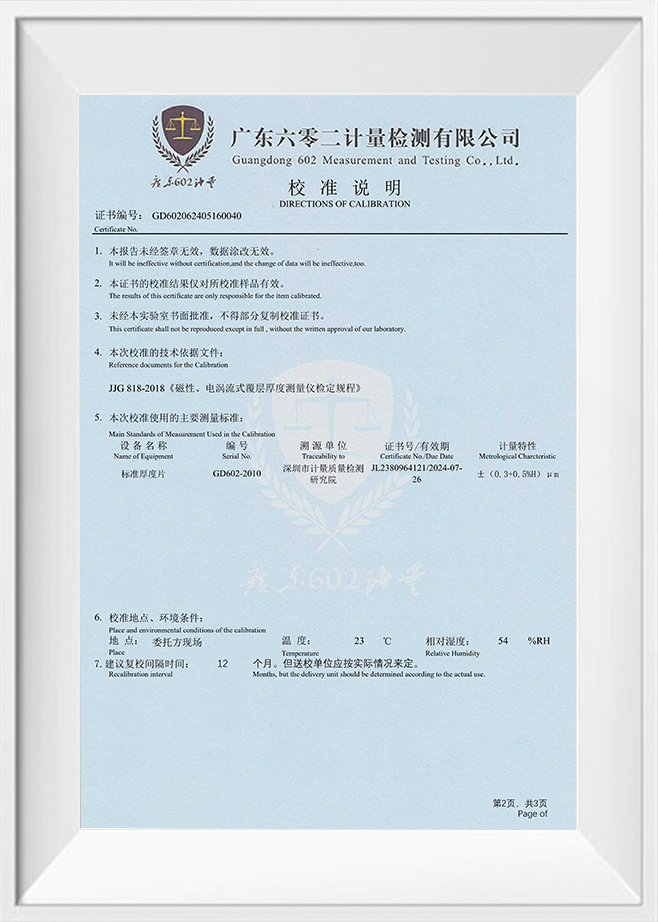
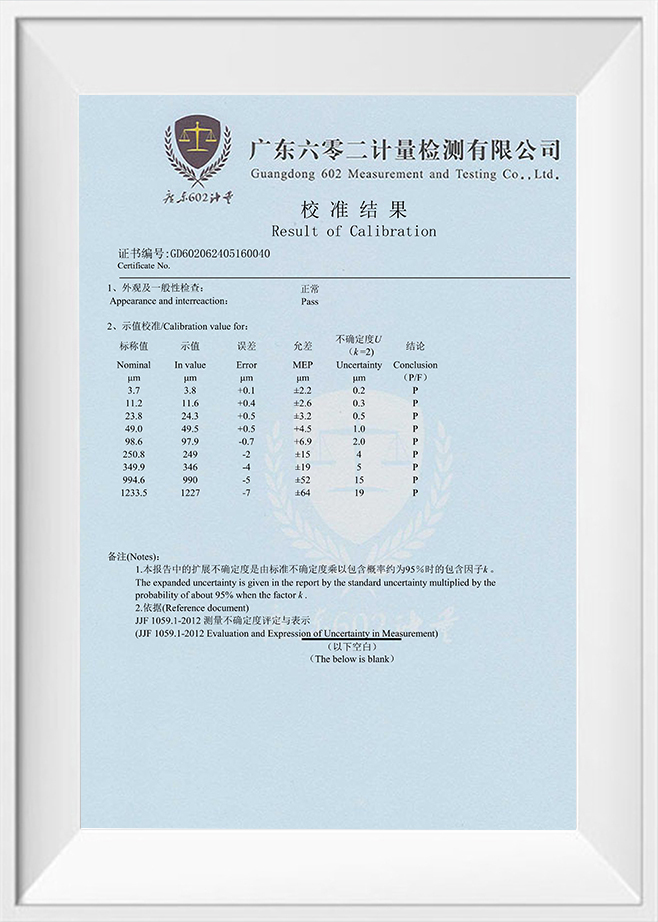
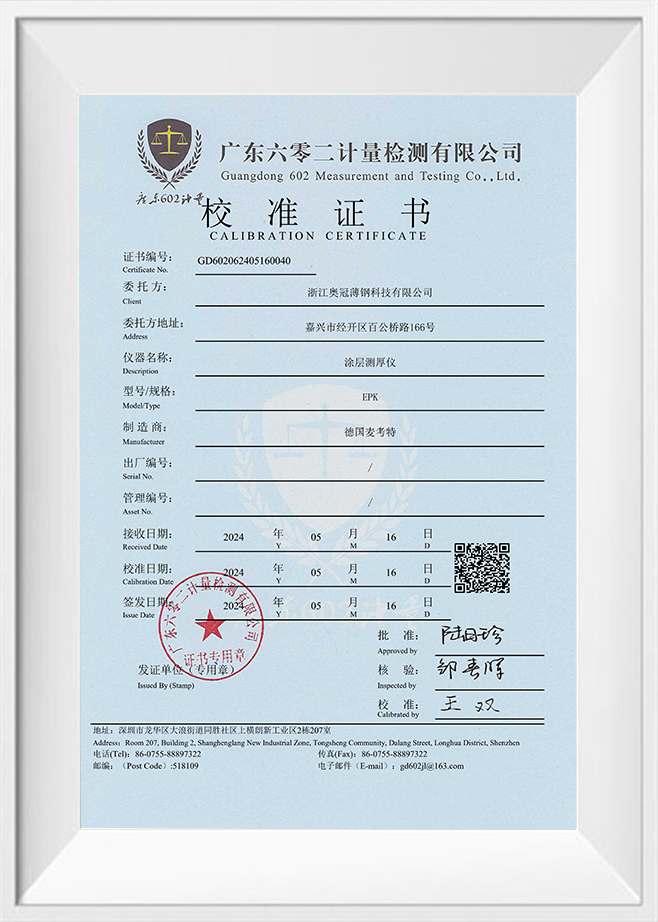
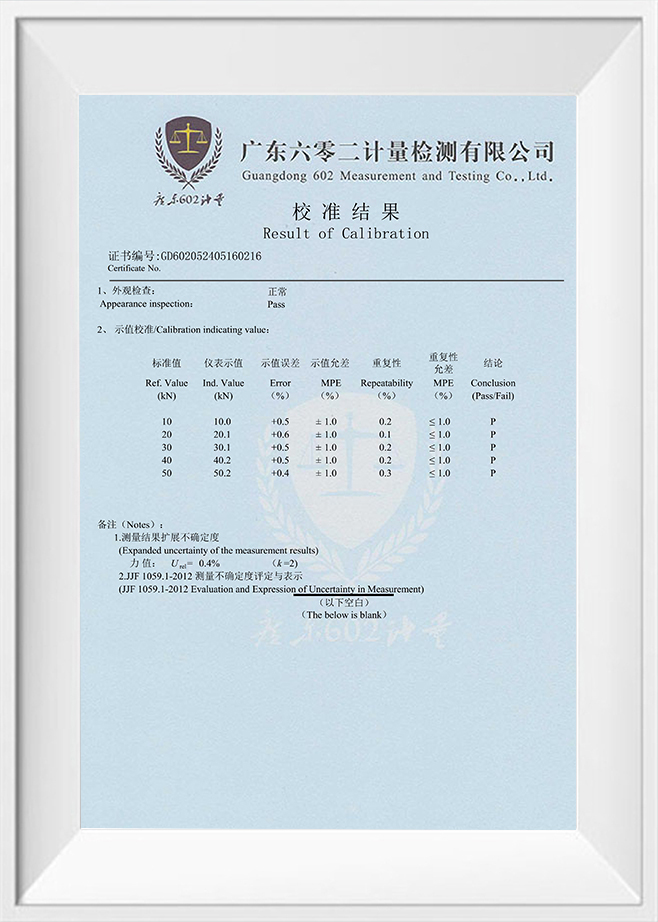
Coil defects that are invisible or minor at the point of shipment can become significant problems by the time material reaches a fabrication line thousands of kilometers away, which makes pre-shipment inspection far more consequential for export coils than for material sold domestically and inspected on delivery. Coating thickness measurement, adhesion testing (typically via cross-hatch or T-bend tests), and gloss/color consistency checks across the coil width catch the deviations that a visual inspection alone would miss.
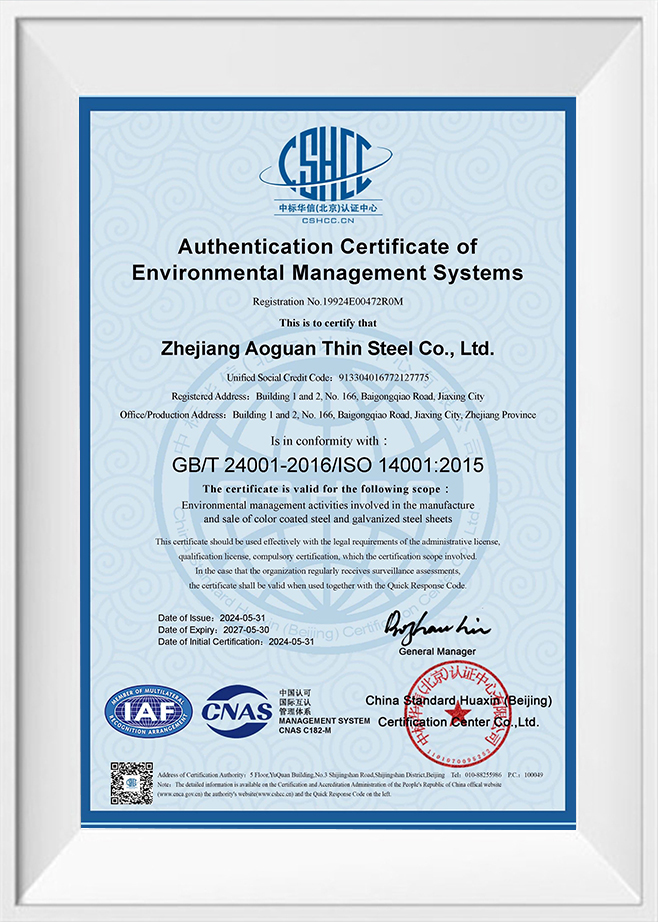
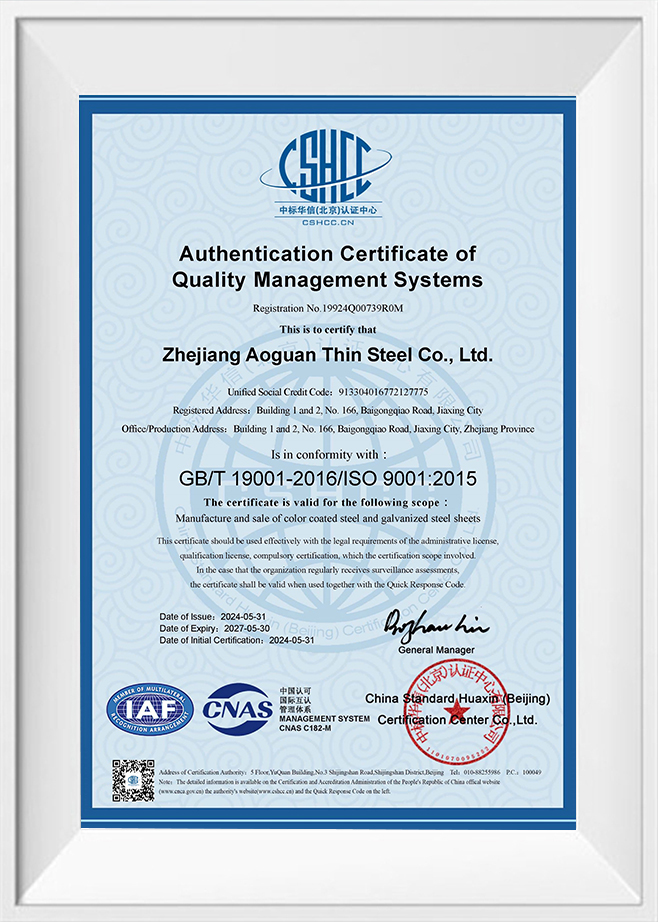
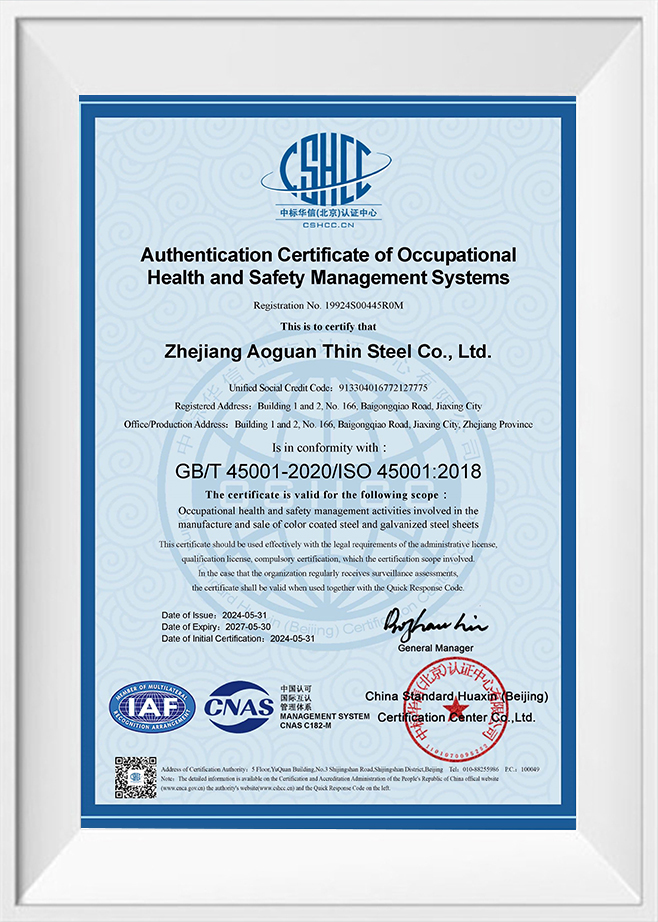
Traceability matters just as much as the test results themselves. Coil-level certificates that document substrate heat number, coating batch, and test results at time of production give buyers a documented reference to work from if a dispute arises after installation, rather than relying on the supplier's word months or years after the shipment left port. This level of documentation and testing discipline is exactly the standard that Aoguan applies across its Zhejiang, Jiangsu, and Anhui production facilities before any coil is released for export.