Technical Constraints and Adaptation Requirements for Vertical Eye-to-Side Packing (VES) Implementation
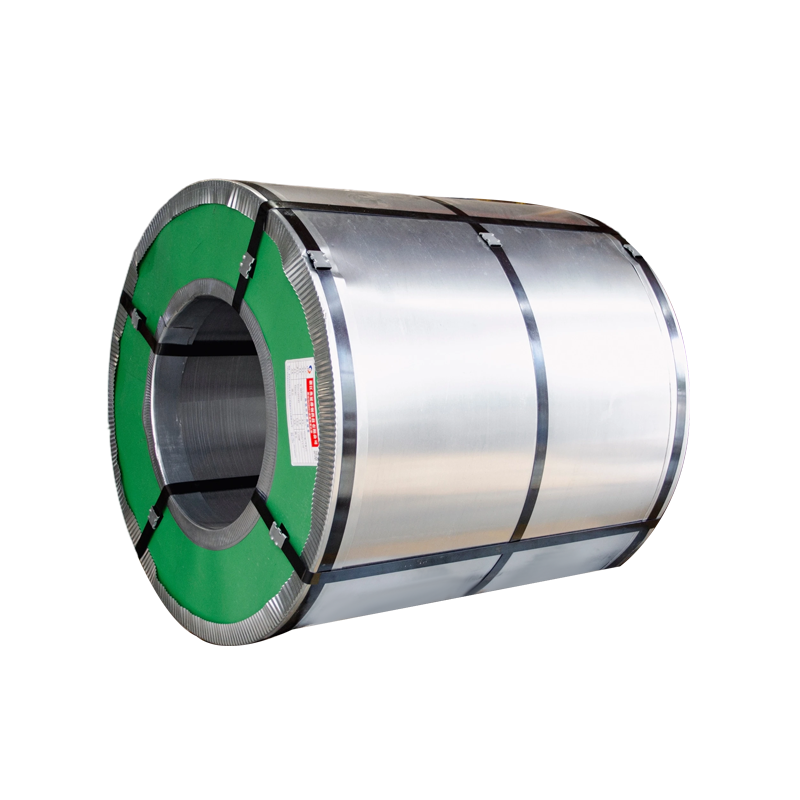
Zhejiang Aoguan Thin Steel Technology Co., Ltd. specializes in the production and export of color-coated steel coils to markets across Southeast Asia, Africa, the Middle East, and South America. As a manufacturer with integrated production facilities in Zhejiang, Jiangsu, and Anhui, we understand that proper packaging is essential to ensure product integrity during long-distance ocean freight. Vertical Eye-to-Side Packing (VES) has become an increasingly important packaging method for containerized steel coil shipments. This article examines the specific technical constraints and adaptation requirements for implementing VES, covering coil dimensions, weight limits, and packaging material specifications.
1. Coil Weight Constraints for VES Implementation
The weight of the steel coil is a primary factor determining the feasibility and safety of VES. The vertical orientation places different stress distributions on packaging materials and container flooring compared to traditional horizontal packing methods.
- Maximum Coil Weight: For standard 20-foot containers, the maximum recommended coil weight for VES is typically 15-18 metric tons per coil. This limit accounts for the container's floor load capacity (approximately 22-24 tons total) and the need for proper weight distribution through the V-shaped support base.
- Minimum Coil Weight: Coils weighing less than 3 metric tons may require additional ballasting or specialized fixturing to prevent movement during transport, as the friction force generated by the coil's own weight may be insufficient to resist horizontal forces during vessel motion.
- Weight Distribution Requirements: The center of gravity must be calculated to ensure it falls within the middle third of the container length. For VES, the vertical orientation means the entire weight bears down through the coil's bottom edge onto the support structure, requiring reinforced load-spreading plates.
2. Coil Outer Diameter and Width Specifications
The physical dimensions of the steel coil directly affect whether VES can be successfully implemented within standard container dimensions.
- Maximum Outer Diameter: The outer diameter must not exceed 2,100 mm to fit within the internal height of a standard 20-foot container (approximately 2,390 mm) while leaving adequate clearance for overhead lifting equipment and packaging protrusions. The recommended maximum outer diameter for VES is 1,800-2,000 mm to allow for 150-200 mm of clearance.
- Minimum Outer Diameter: Coils with outer diameters below 800 mm may not provide sufficient surface area for stable V-shaped support, increasing the risk of tilting. These smaller coils are often better suited to horizontal packing methods.
- Coil Width (Height in VES Orientation): The coil width determines the footprint within the container. For VES, the coil stands upright with its width dimension becoming the height. Typical coil widths of 1,000-1,250 mm are ideal for VES as they occupy the container's width efficiently while allowing space for side protection and strapping. Widths exceeding 1,500 mm may interfere with container door closure or require offset positioning.
3. Packaging Material Specifications for VES
The vertical orientation of VES imposes specific requirements on packaging materials to ensure protection against moisture, physical damage, and corrosion throughout the shipping process.
3.1 VCI Rust Preventive Paper
The inner wrapping layer must provide effective corrosion protection in the vertical position, where condensation may flow differently than in horizontal packing.
- VCI Paper Grade: A minimum of 80-100 g/m² VCI (Volatile Corrosion Inhibitor) paper is required, with specific formulations suited to color-coated surfaces (PPGI/PPGL). The paper must extend at least 50 mm beyond the coil's top and bottom edges to ensure complete coverage.
- VCI Paper Overlap: For VES, the paper wrapping must be applied with a minimum overlap of 200 mm and secured with moisture-resistant tape to prevent shifting during the vertical lifting and placement process.
- VCI Paper Protection: Multi-layer wrapping is recommended, with at least two complete turns of VCI paper followed by an outer layer of PE film for additional moisture barrier protection.
3.2 Edge Protectors (Corner Guards)
Edge protectors are critical in VES because the coil's weight bears down on the bottom circumference, creating high localized pressure points.
- Material Type: High-density fiberboard (minimum 8-10 mm thickness) or heavy-duty plastic edge protectors are required for VES. The inner diameter (ID) protector must have a thickness of at least 10-12 mm to withstand the compression force from vertical stacking.
- Coverage Requirement: Edge protectors must cover the entire inner and outer circumference of the coil. For VES, the top and bottom edge protectors are subject to different loading patterns—the bottom set carries the full coil weight, requiring reinforced construction.
- Dimensional Fit: Edge protectors should fit snugly with a tolerance of ±5 mm to prevent dislodgement during handling. Pre-formed bent protectors specifically designed for the coil's outer diameter are preferred over universal types.
3.3 Steel Strapping (Banding) Methods
Steel strapping for VES must accommodate the vertical orientation and the dynamic forces encountered during maritime transport.
- Strap Material: High-tensile steel strapping with a minimum tensile strength of 800 N/mm² is required. Strap width is typically 32 mm or 40 mm, with thickness of 0.8-1.0 mm.
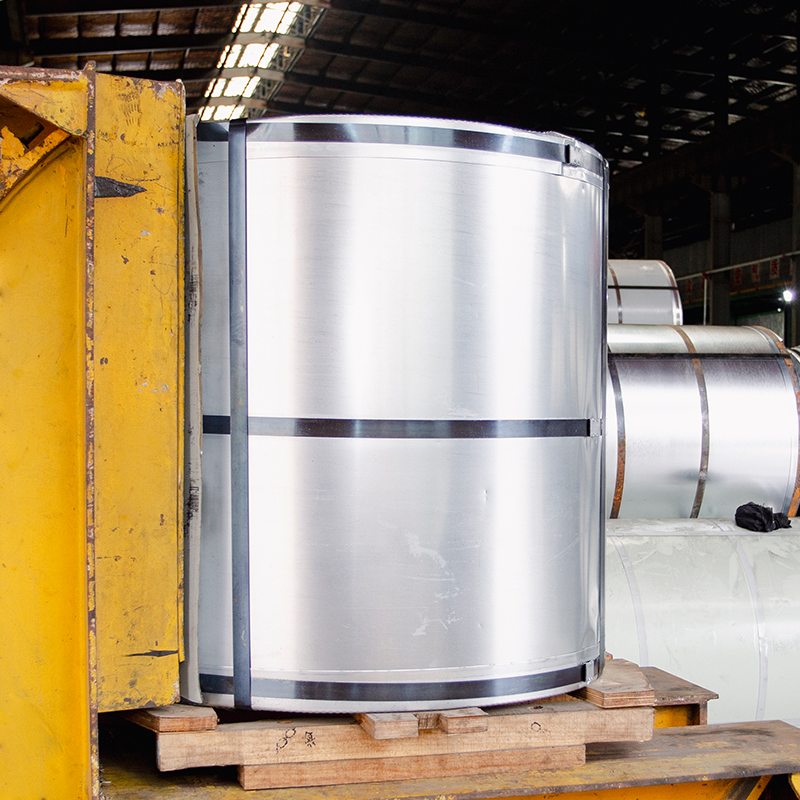
- Strapping Pattern: For VES, at least 4 circumferential straps are required around the coil body. Additionally, cross strapping (6 straps: 3 longitudinal and 3 transverse) through the eye is necessary to secure the coil to the pallet or support base, preventing vertical displacement.
- Strap Tension Control: The tension should be controlled to 70-80% of the strap's breaking strength to avoid edge indentation while ensuring secure hold. For PPGI and PPGL products, the use of protective corner protectors under each strap is mandatory to prevent coating damage.
3.4 Base Support and Pallet Structure
The base support system is the foundation of VES, providing stability and load distribution for the entire package.
- Pallet Type: Heat-treated wooden pallets conforming to ISPM 15 fumigation standards are required for export. The pallet must have a minimum load capacity of 2.5 times the coil weight to provide an adequate safety margin.
- Base Plate Thickness: The V-shaped support block (typically made of hardwood or plywood laminate) must be at least 80-100 mm thick to distribute weight evenly across the container floor.
- Bottom Protection: A sheet of PE film (0.15-0.20 mm thickness) should be placed between the wooden pallet and the container floor to provide a moisture barrier and reduce friction during transport.
3.5 Outer Protective Sheathing
An outer layer of protection shields the packaged coil from mechanical damage and moisture ingress during handling and transit.
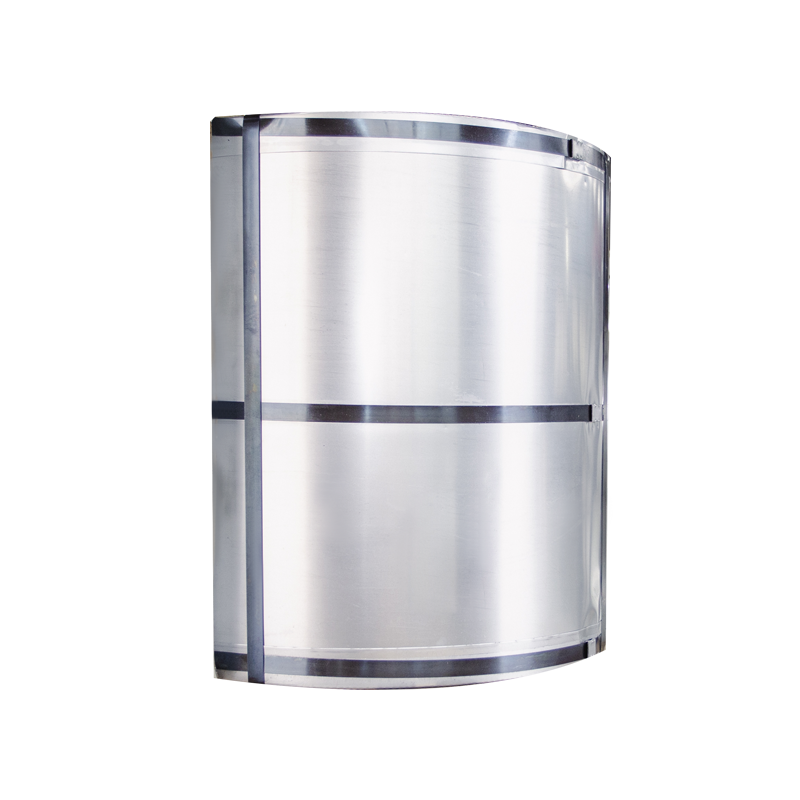
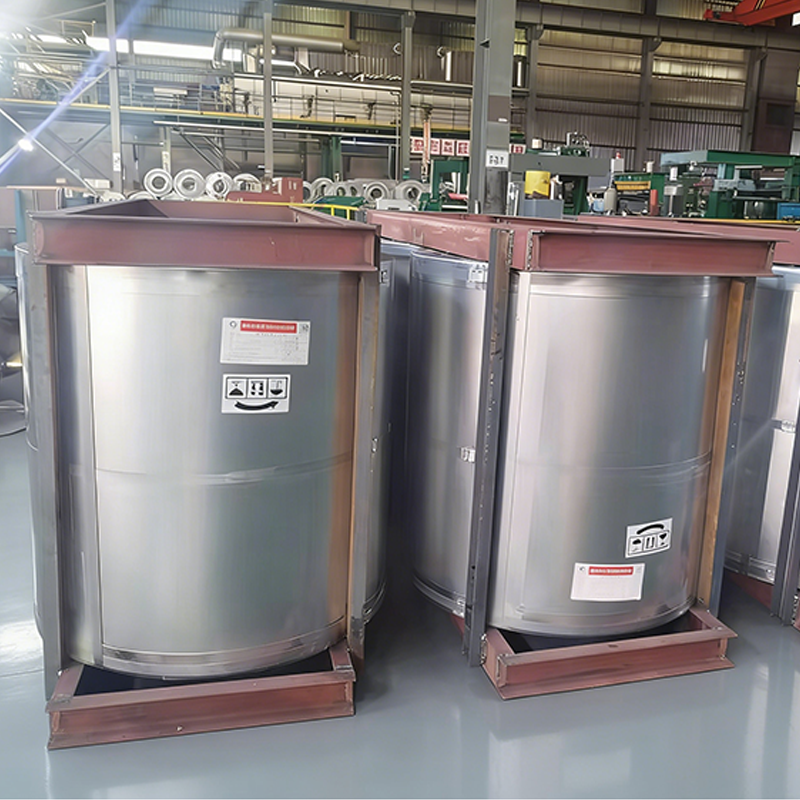
- Galvanized Steel Sheet (Oval Shell): For VES, a full outer shell of galvanized steel sheet (0.5-0.8 mm thickness) shaped to fit the coil profile is recommended. This provides robust mechanical protection against impact during container loading and unloading.
- PE Shrink Wrap: As an alternative to metal sheathing, heavy-duty PE shrink wrap with a minimum thickness of 0.25 mm can be applied, though it offers less protection against point impacts.
- Top Cover Plate: A reinforced top cover made of plywood or metal sheet must be secured over the upper face of the VES coil to prevent water ingress through the eye opening.
4. Dimensional Compatibility and Container Loading Guidelines
Ensuring proper fit within the container is essential for safe transport. The following table summarizes the recommended dimensional ranges for VES implementation:
| Parameter |
Minimum |
Recommended |
Maximum |
Key Constraints |
| Coil Weight (tons) |
3.0 |
8.0 - 15.0 |
18.0 |
Container floor capacity, pallet strength |
| Outer Diameter (mm) |
800 |
1,200 - 1,800 |
2,100 |
Container internal height, handling clearance |
| Inner Diameter (mm) |
508 |
610 |
760 |
Lifting equipment compatibility |
| Coil Width (mm) |
600 |
1,000 - 1,250 |
1,500 |
Container internal width, strapping clearance |
| VCI Paper Thickness (g/m²) |
60 |
80 - 100 |
120 |
Corrosion protection duration |
| Edge Protector Thickness (mm) |
6 |
8 - 10 |
12 |
Weight-bearing capacity |
| Steel Strap Width (mm) |
25 |
32 - 40 |
50 |
Strength and edge indentation |
| Pallet Base Thickness (mm) |
60 |
80 - 100 |
120 |
Load distribution and stability |
At Zhejiang Aoguan Thin Steel Technology Co., Ltd., we apply these specifications to ensure that our Vertical Eye-to-Side Packing (VES) solutions meet international shipping standards. Our experienced packaging team customizes the packing plan based on each order's specific coil dimensions, destination, and transport route requirements.
5. Quality Control and Inspection Points for VES
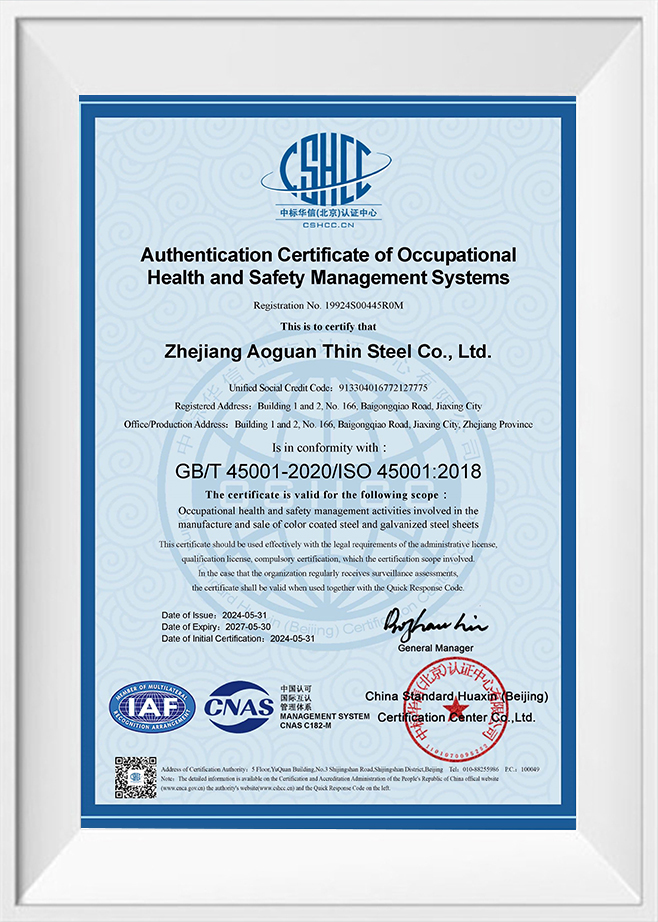
Zhejiang Aoguan Thin Steel Technology Co., Ltd. maintains rigorous quality control procedures for VES to ensure product integrity from factory to customer.
- Pre-Packing Inspection: Each coil is inspected for surface quality, coating uniformity, and edge condition before packing. Any defect that could affect corrosion resistance or coating integrity is documented and addressed.
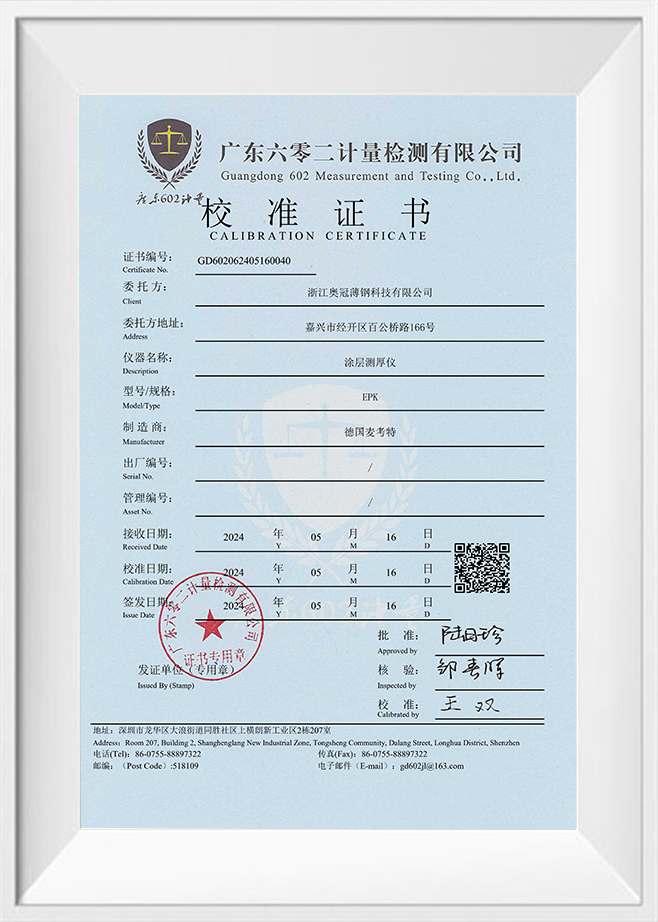
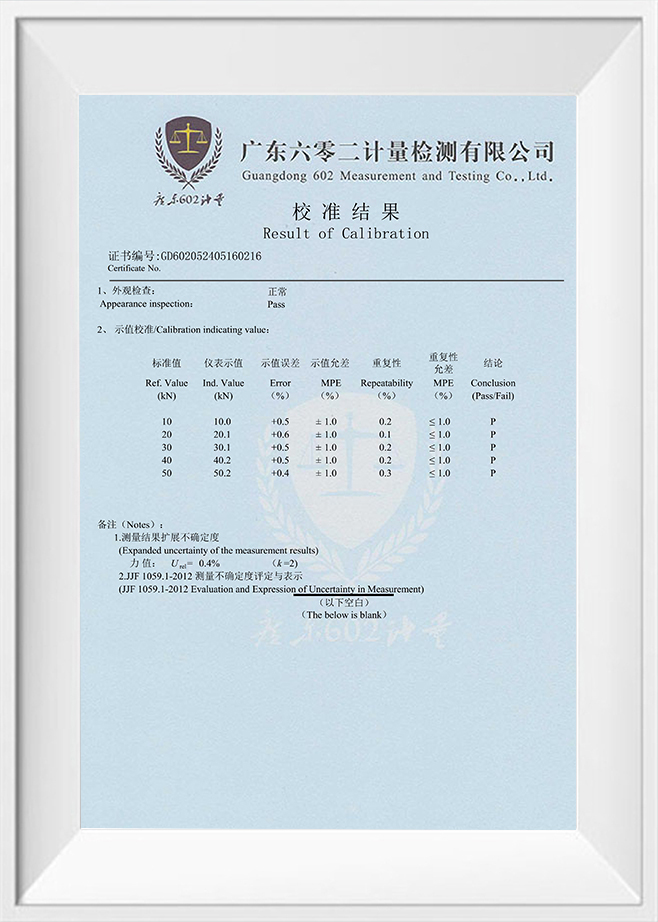
- In-Process Monitoring: During the VES application, the tension of each steel strap is measured and recorded using calibrated tension meters. The overlap of VCI paper and PE film is verified by visual inspection.
- Final Package Check: Before container loading, the complete VES package is checked for strap integrity, protector positioning, and overall stability on the pallet base. A 30-minute settling period is allowed before final strap tension verification.
With our headquarters in Chuansha, Shanghai, and manufacturing plants in Zhejiang, Jiangsu, and Anhui, we ensure that every VES package is prepared with consistent quality, delivering high-quality PPGI and PPGL products to our customers in Southeast Asia, Africa, the Middle East, and South America.
Frequently Asked Questions (FAQ)
FAQ 1: How does Vertical Eye-to-Side Packing (VES) compare to traditional horizontal packing in terms of cost and protection?
VES offers significant advantages for containerized shipment. It typically allows 2-3 more coils per 20-foot container compared to horizontal packing, reducing per-unit shipping costs by 15-25%. However, the packaging material requirements for VES are more stringent—requiring thicker edge protectors, reinforced pallets, and additional cross strapping—which increases packaging material costs by approximately 10-15%. Overall, the total logistics cost (packaging + freight) for VES is usually lower due to the improved container utilization. In terms of protection, VES provides better moisture resistance because the vertical orientation allows condensation to drain away from the coil surface, reducing the risk of edge rust formation during long sea voyages.
Zhejiang Aoguan Thin Steel Technology Co., Ltd. offers expert packaging consulting to help customers select the most cost-effective packing method for their specific orders. With our integrated production and packaging capabilities, we ensure that each shipment is optimally prepared for its destination and transport mode, maintaining product quality while minimizing logistics expenses.
FAQ 2: What are the most common packaging failures in VES and how can they be prevented?
The most common failures observed in VES include: (1) Strap loosening due to inadequate tensioning or vibration during shipping, which can be prevented by using high-quality steel strapping with proper tension control (70-80% of breaking strength) and applying anti-slip coating on straps. (2) Edge protector displacement causing the steel strap to cut into the coil surface, preventable by using wider edge protectors (10-12 mm thickness) and positioning them with temperature-stable adhesive backing. (3) Moisture ingress through the top eye opening, preventable by installing a robust top cover plate with sealed edges. (4) Pallet base failure due to uneven load distribution, preventable by using hardwood V-blocks with proper dimensional accuracy. Regular training for packaging operators and routine equipment calibration are essential preventive measures.
Zhejiang Aoguan Thin Steel Technology Co., Ltd. implements a comprehensive packaging quality management system across all our production facilities. Our packaging crews are trained on VES best practices and use calibrated tools to ensure every package meets the required specifications. We are dedicated to delivering reliable Vertical Eye-to-Side Packing solutions that protect our products during transit to customers worldwide.
FAQ 3: Can VES be applied to all types of steel coils, including heavy-gauge and wide-width products?
VES is suitable for most steel coil types, but there are practical limitations. For heavy-gauge steel coils (thickness > 2.0 mm) weighing over 15 tons, VES requires specially designed heavy-duty pallets with reinforced steel frames and additional cross strapping to handle the higher static and dynamic loads. Wide-width coils (width > 1,500 mm) may not fit through standard container doors when oriented vertically—in such cases, the coil width becomes the height dimension, so careful measurement is required to ensure compatibility with the container's internal height. For coating-sensitive products like color-coated steel (PPGI/PPGL), additional protective layers are needed at contact points to prevent surface damage during vertical handling. For small-diameter coils (OD < 800 mm) or extremely narrow coils (width < 500 mm), VES is generally not recommended due to stability concerns, and horizontal packing methods are preferred.
Zhejiang Aoguan Thin Steel Technology Co., Ltd. provides personalized technical support to help customers determine the optimal packing method based on their product specifications. Our experienced team considers every factor—from coil dimensions and weight to destination environmental conditions and customer handling capabilities—to ensure that your steel coils arrive in perfect condition. With our commitment to quality and innovation, we build long-term partnerships with clients across Southeast Asia, Africa, the Middle East, and South America.


 English
 Français
 Español
 عربى
عربى